Tile Thickness Explained: Selecting the Right Tile

April 21, 2026

Share This Article

Tile thickness is a critical factor in industrial flooring performance, directly impacting load capacity, durability, and long-term reliability. In industrial and commercial environments, selecting the correct tile thickness ensures that flooring systems perform under real-world conditions without premature wear or failure.


For architects, engineers, and contractors working on spec-d
riven projects, understanding tile thickness is essential to aligning material selection with operational demands. Tile thickness is often compared alongside other flooring options, such as epoxy or urethane systems, particularly in industrial environments where performance requirements are high.

Understanding Tile Thickness: The Technical Foundation

Tile thickness refers to the depth of the ceramic material, typically measured in millimeters or inches. In engineered ceramic tile systems, thickness contributes to the tile’s ability to distribute loads, resist impact, and maintain structural integrity over time.


Argelith fully vitrified tiles are available in thicknesses ranging from 3/8 inch to 3/4 inch, allowing specifiers to match tile performance to the expected level of wear and operational demand. Floor tile applications typically begin at 5/8 inch thickness, while 3/8 inch tiles are designed for wall applications. In specialized or light-duty applications, thinner floor tiles may be considered, but most industrial flooring systems are specified at 5/8 inch or greater.
This range supports applications from controlled commercial environments to heavy-duty industrial settings.


It is important to note that thickness alone does not determine performance. It must be evaluated alongside material composition, installation method, and substrate conditions. Fully vitrified tiles achieve high strength and ultra-low absorption through their dense structure, ensuring reliable performance across these thickness options.

Key Factors That Influence Tile Thickness Selection

Load Requirements

Load is one of the most critical considerations when specifying tile thickness. Industrial and commercial floors are routinely exposed to:

  • Heavy foot traffic
  • Rolling loads such as carts and forklifts
  • Static loads from equipment and storage systems

Thicker tiles, such as 5/8 inch or 3/4 inch, are typically specified for environments with high point loads or continuous mechanical stress. These thicknesses help distribute loads more effectively when combined with proper installation and substrate preparation, reducing the risk of cracking.

Substrate Conditions

Substrate quality directly affects how tile thickness performs in the field. Irregular or flexible substrates can introduce stress concentrations.


While thicker tiles can help distribute loads across minor inconsistencies, proper substrate preparation remains essential. Thickness should be specified as part of a complete system, not as a corrective measure for inadequate substrate conditions.

 Installation Method

The installation method must align with the tile thickness to ensure proper performance.


  • Thinset installation is widely used in the U.S. for many commercial and industrial applications when properly specified.


  • Vibration installation (thick-bed) may be specified for certain heavy-duty environments to ensure full bedding and optimal load transfer.


This alignment is particularly important when specifying thicker formats for industrial use.

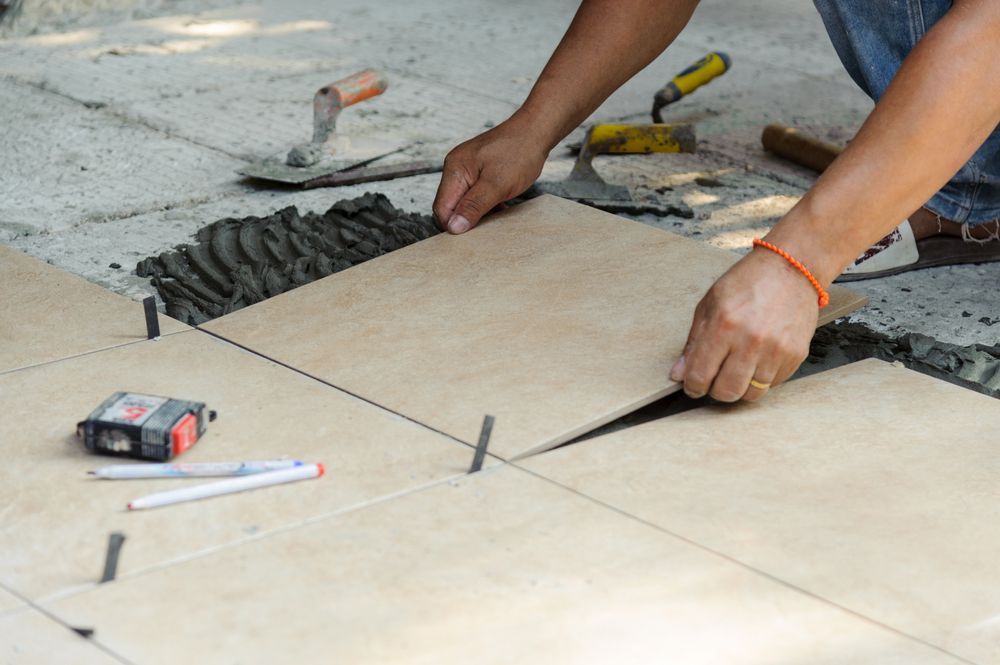
Worker installing beige floor tiles with tools on a tiled surface indoors

Chemical Exposure

In environments exposed to acids, oils, or aggressive cleaning agents, tile thickness contributes to long-term durability.


While chemical resistance is inherent to fully vitrified tile, thicker tiles provide additional wear material in environ
ments with continuous surface exposure.

Thermal and Moisture Conditions

Temperature fluctuations and moisture exposure can create expansion and contraction within the flooring system.


Thicker tiles offer increased resistance to thermal stress, making them well-suited for environments such as commercial kitchens or processing facilities where hot washdowns and temperature shifts are common.

Tile Thickness by Industry Application

Food & Beverage

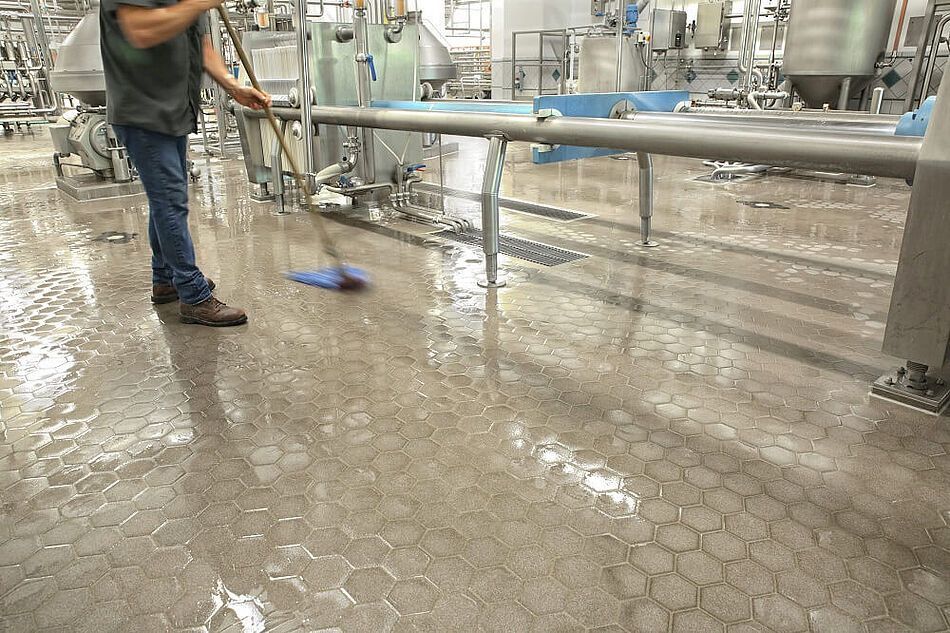
Food and beverage facilities require flooring that supports hygiene, washdowns, and operational traffic.


Typical specifications range from 5/8 inch to 3/4 inch, depending on load conditions. These thicknesses balance durability with efficient installation while maintaining resistance to moisture and cleaning chemicals and supporting hygienic environments through dense, low-absorption material properties.

Automotive

Automotive environments demand higher structural performance due to vehicle loads and equipment.


Tile thicknesses of 5/8 inch are commonly specified in automotive service drives and workshops, where clinker tile systems are widely used to handle:

  • Concentrated tire loads and shearing forces
  • Tool and equipment impact
  • Exposure to oils and chemicals
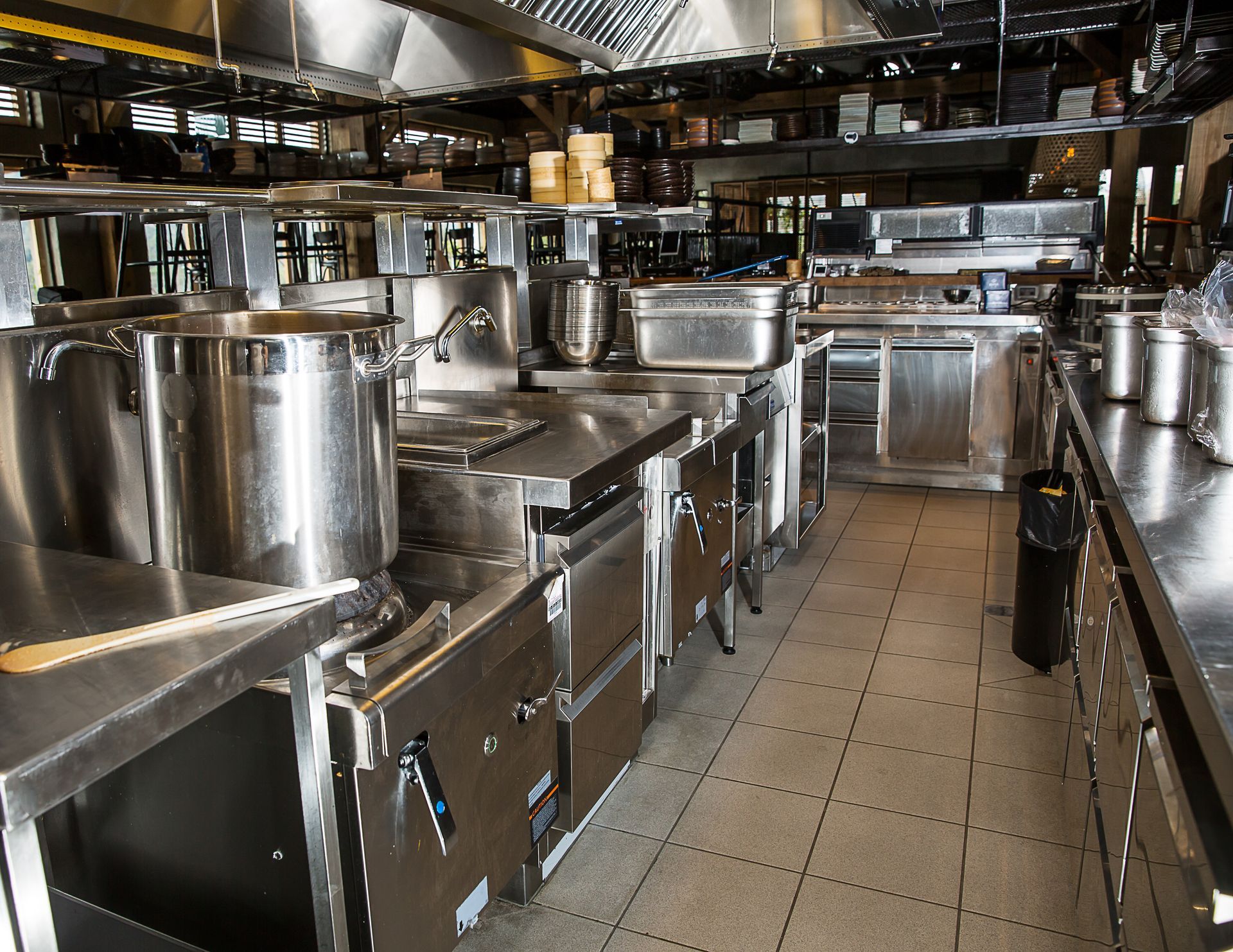
Commercial kitchen with stainless steel appliances, counters, and cookware arranged in a large open space

Commercial Kitchen

Commercial kitchens introduce thermal cycling, moisture, and continuous use.


Thickness selection typically falls to 5/8 inch, providing durability while accommodating frequent cleaning and temperature changes.

Retail & Grocery

Retail and grocery environments require a balance between durability and presentation.


Tile thicknesses of 5/8 inch are often sufficient for high foot traffic and cart movement, provided the substrate is properly prepared and loads are well distributed.

Laboratories

Laboratories require controlled, hygienic surfaces with resistance to chemical exposure.


Thickness selection typically ranges from 5/8 inch to 3/4 inch, depending on the level of mechanical and chemical demand.

Installation Considerations for Different Tile Thicknesses

Thin Tiles

Thinner tiles, such as 3/8 inch, are primarily designed for wall applications and are not intended for use in floor systems.


For floor installations, tile thickness selection typically begins at 5/8 inch, depending on load conditions, substrate quality, and environmental exposure.


In general, thinner tiles offer advantages such as:


  • Easier handling and installation
  • Compatibility with standard thinset methods


However, floor performance is highly dependent on proper substrate preparation and installation practices, regardless of tile thickness.

Thicker Tiles

Thicker tiles, including 5/8 inch and 3/4 inch, are designed for heavy-duty environments.


Benefits include:


  • Enhanced load distribution
  • Increased resistance to impact and mechanical stress


These tiles are often installed using vibration methods to ensure full support and long-term performance.

Grout Selection

Grout is a critical component regardless of tile thickness.


  • Cementitious grout may be used in less aggressive environments
  •  Epoxy grout is recommended for areas exposed to chemicals, moisture, or intensive cleaning, particularly where chemical resistance is critical.


Narrow grout joints, typically 1/16 inch to 1/8 inch, can help reduce water retention and support overall system durability when properly installed and maintained.

How Argelith Engineers Tile Thickness for Performance

Argelith Ceramic Tiles engineers tile thickness as part of a complete flooring system rather than a standalone specification.


With thickness options ranging from 3/8 inch to 3/4 inch, Argelith aligns each solution with:


  • Load intensity and traffic patterns
  • Environmental exposure, including chemicals and moisture
  • Installation method and substrate conditions
  • Industry-specific performance requirements


This approach ensures that each project receives a flooring system designed to support long-term performance.

Selecting the Right Tile Thickness: A Practical Framework

For specifiers, selecting tile thickness should follow a structured evaluation:

  1. Define load conditions, including traffic and equipment

2.  Assess substrate quality and preparation requirements

3.  Evaluate exposure to moisture, chemicals, and temperature

4.  Determine the appropriate installation method

5.  Align with long-term maintenance expectations

By approaching thickness selection as part of a complete system, decision-makers can avoid over- or under-specifying materials.

Explore Argelith’s Engineered Tile Solutions

Tile thickness plays a defining role in the performance of industrial and commercial flooring systems. Argelith’s fully vitrified ceramic tiles are engineered to provide the right balance of strength, durability, and long-term reliability across a range of thicknesses.


Explore Argelith’s engineered tile solutions or
request a consultation to identify the appropriate tile thickness for your next project.

Disclaimer: Floor performance characteristics depend on proper product selection, substrate preparation, installation methods, site conditions, and ongoing maintenance. Slip resistance ratings and hygienic performance may vary based on use conditions, cleaning practices, and environmental factors.

Connect With Us

Large, shiny stainless-steel industrial vats in a bright, spacious factory with a reflective floor and exposed ceiling.
April 20, 2026
Argelith Ceramic Tiles delivers durable brewery flooring solutions designed for safety, hygiene, and long-term performance in demanding production environments.
A stainless steel industrial boot cleaner station stands on a light-colored hexagonal tiled floor.
April 6, 2026
LEED Certification starts with smarter materials. Argelith Ceramic Tiles support durable, hygienic, and sustainable industrial flooring performance.
Large industrial stainless steel machine in a clean, clinical laboratory setting with white walls and flooring.
March 26, 2026
Support cleanroom compliance in industrial environments with Argelith Ceramic Tiles engineered for hygiene, durability, and reliable performance in washdown conditions.
Show More