Making Durable Tile Work in Customer-Facing Zones

April 24, 2026

Share This Article

In spec-driven commercial and industrial projects, flooring selection must satisfy both performance requirements and design intent—especially in customer-facing environments such as retail, grocery, and food service spaces. Nowhere is this more evident than in customer-facing zones, where surfaces are expected to withstand industrial-level demands while maintaining a consistent, professional appearance.


For architects, engineers, and contractors, durable tile provides a reliable solution that aligns operational performance with front-of-house expectations.

The Unique Demands of Customer-Facing Environments

Customer-facing floors function as an extension of both operations and brand identity. These areas are subject to continuous foot traffic, rolling loads, moisture exposure, and strict cleaning protocols. At the same time, they remain highly visible to customers.


This dual requirement introduces a key specification challenge. Materials must meet rigorous performance criteria without compromising visual consistency over time. Premature wear, staining, or surface degradation is not only a maintenance issue. It becomes a perception issue.

Durability Without Compromise: The Role of Engineered Tile

Engineered ceramic tile, particularly fully vitrified tile, is designed to address this intersection of performance and visibility.


Its dense, fully vitrified structure results in low water absorption (typically ≤0.1%). This helps limit moisture absorption within the tile body and supports long-term resistance to:


  • Chemical exposure from cleaning agents or operational processes
  • Staining in high-use areas
  • Mechanical stress from carts, equipment, and foot traffic


For specifiers, this translates into a flooring system that maintains both structural integrity and surface consistency across its lifecycle. Durable tile does not rely on applied coatings or surface treatments that may wear over time. Its performance is inherent to the material itself, allowing fully vitrified tile to maintain its performance characteristics throughout its lifecycle.

Designing for Customer Experience

In customer-facing environments, flooring contributes directly to spatial perception. Surface uniformity, color stability, and finish all influence how a space is experienced.


Neutral tones such as Light Gray, Titan Gray, and Anthracite support a clean, modern aesthetic while offering practical benefits. These colors help minimize the visual impact of minor debris between cleaning cycles, which is particularly valuable in high-traffic retail and food environments.


From a specification standpoint, the goal is alignment between design intent and long-term performance. Engineered tile enables this by maintaining its appearance even under continuous use.

Safety in Public Spaces: Subtle but Critical

Slip resistance is a fundamental requirement in both industrial and public-facing areas. However, in customer-facing zones, safety must be integrated without disrupting the visual environment.


Engineered nonskid surfaces are designed to provide reliable traction under a range of wet and dry conditions while maintaining a clean, professional appearance.


In addition, integrated safety striping or contrasti
ng tile layouts can be used to define walkways, transitions, or hazard zones. This allows specifiers to address safety requirements within the overall design framework rather than as an afterthought.

Industry Applications: Where Durability Meets Visibility

Grocery Stores & Supermarkets

Grocery environments present one of the most demanding flooring conditions. High traffic, frequent spills, and continuous cleaning cycles are standard.


Durable tile systems support these requirements by maintaining slip resistance and limiting moisture intrusion. At the same time, they preserve a consistent appearance across sales floors, reinforcing cleanliness and order.

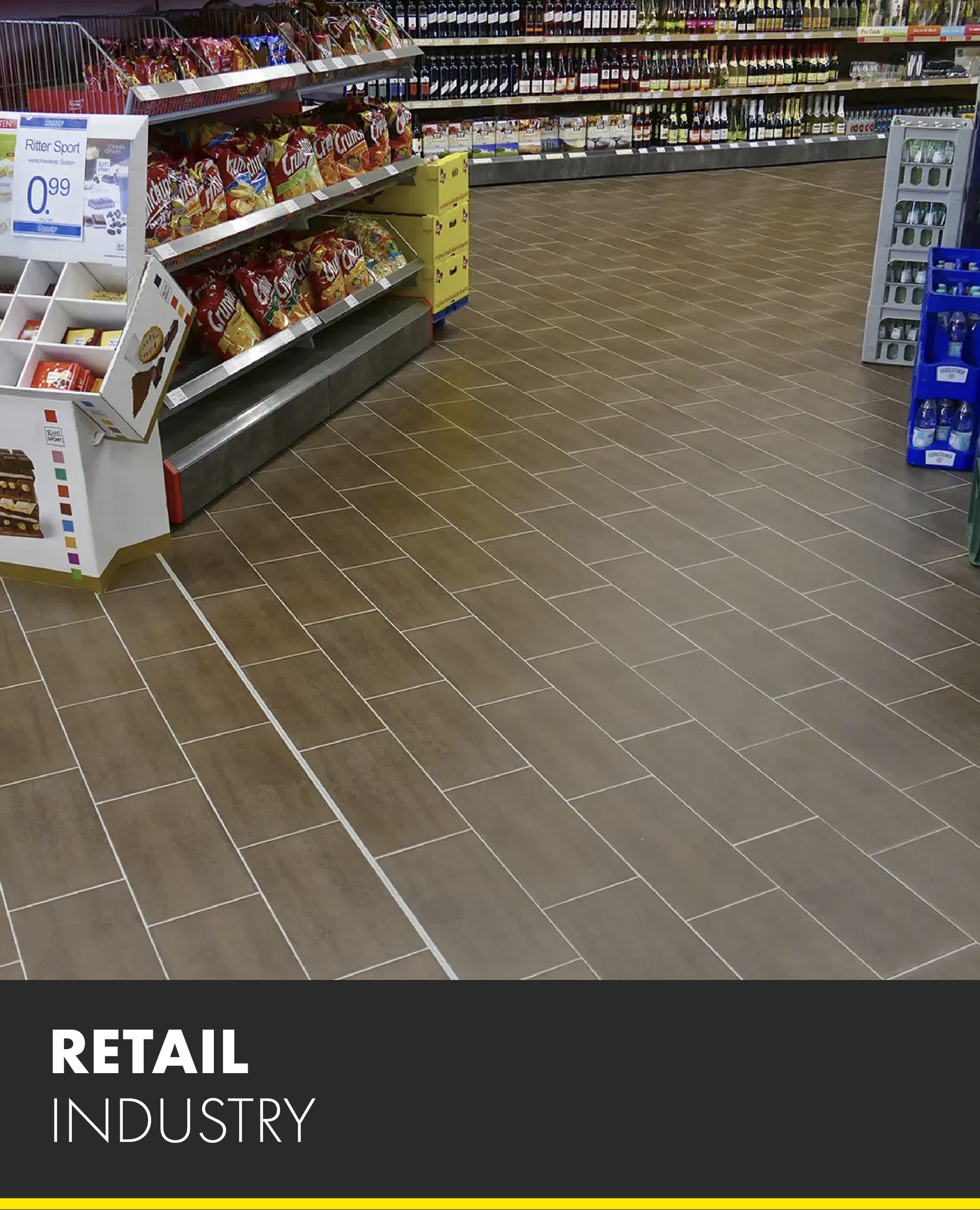
A retail store aisle with shelves of snacks and products, and a brown tiled floor.

Retail Environments

Retail flooring must withstand constant use while supporting brand presentation. Wear patterns, discoloration, or surface breakdown can quickly detract from the intended design.


Engineered tile provides long-term surface stability, allowing architects and contractors to specify materials that maintain visual consistency across high-traffic zones.

Food Service Counters & Open Kitchens

Open kitchens and service counters require flooring that performs to back-of-house standards while remaining fully visible to customers.


Fully vitrified tile supports hygienic conditions by limiti
ng absorption within the tile body when properly installed and maintained. When paired with epoxy grout in chemically intensive environments, the system provides enhanced resistance to contaminants and cleaning agents.

Breweries

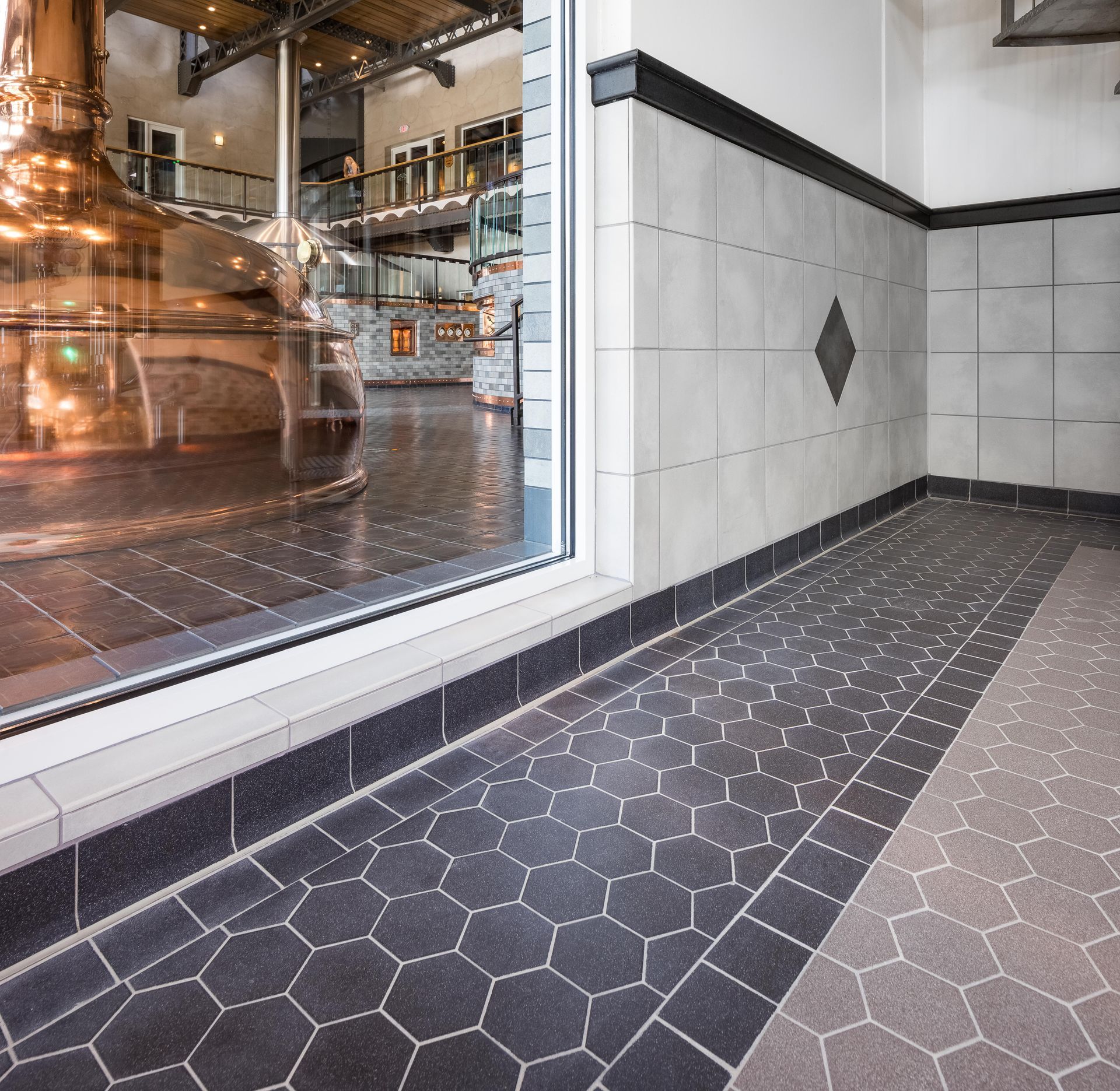
Breweries combine production demands with customer engagement. Floors must handle constant moisture, cleaning chemicals, and foot traffic while remaining visually cohesive.


Durable tile systems offer the necessary chemical resistance and slip performance, making them well-suited for these hybrid environments. In these environments, selecting the appropriate grout system—such as high-performance epoxy grout—is critical due to exposure to aggressive cleaning chemicals.

Installation Strategies for Customer-Facing Success

Even the highest-performing tile requires proper installation to deliver expected results.


For spec-driven projects, key considerations include:

  • Narrow grout joints, typically 1/16" to 1/8", to reduce water retention and minimize edge chipping
  • Selection of appropriate grout systems, with epoxy grout recommended for chemically aggressive or high-moisture environments
  • Installation method selection, including thinset or vibration installation, depending on substrate and project requirements

Coordination with experienced installers is critical. Proper execution ensures that both performance and aesthetic goals are achieved.

Maintaining Appearance Over Time

Long-term performance in customer-facing zones depends on consistent maintenance practices.


Recommended approaches include:

  • Routine cleaning with auto-scrubbers to maintain surface cleanliness
  • Use of appropriate pads, including more aggressive options when required for heavy soil conditions
  • Post-installation cleaning to remove grout haze and establish a uniform finish, following manufacturer and installer recommendations.

These practices help preserve the intended appearance of the floor while supporting its functional performance.

Argelith’s Approach: Engineering for Dual-Purpose Environments

Argelith Ceramic Tiles focuses on engineered flooring solutions designed for demanding industrial and commercial applications.


This approach is particularly relevant in customer-facing zones, where flooring must meet both operational and visual requirements. Argelith’s fully vitrified tiles are engineered to deliver:

  • Consistent performance under heavy traffic and mechanical load
  • Long-term resistance to chemicals, moisture, and wear
  • Stable, uniform appearance across the lifecycle of the installation

With US-based warehousing and a strong foundation in German engineering, Argelith supports specifiers with reliable, high-performance solutions tailored to complex project requirements.

Practical Framework: Selecting Tile for Customer-Facing Zones

For architects, engineers, and contractors, selecting the right durable tile involves evaluating several key factors:

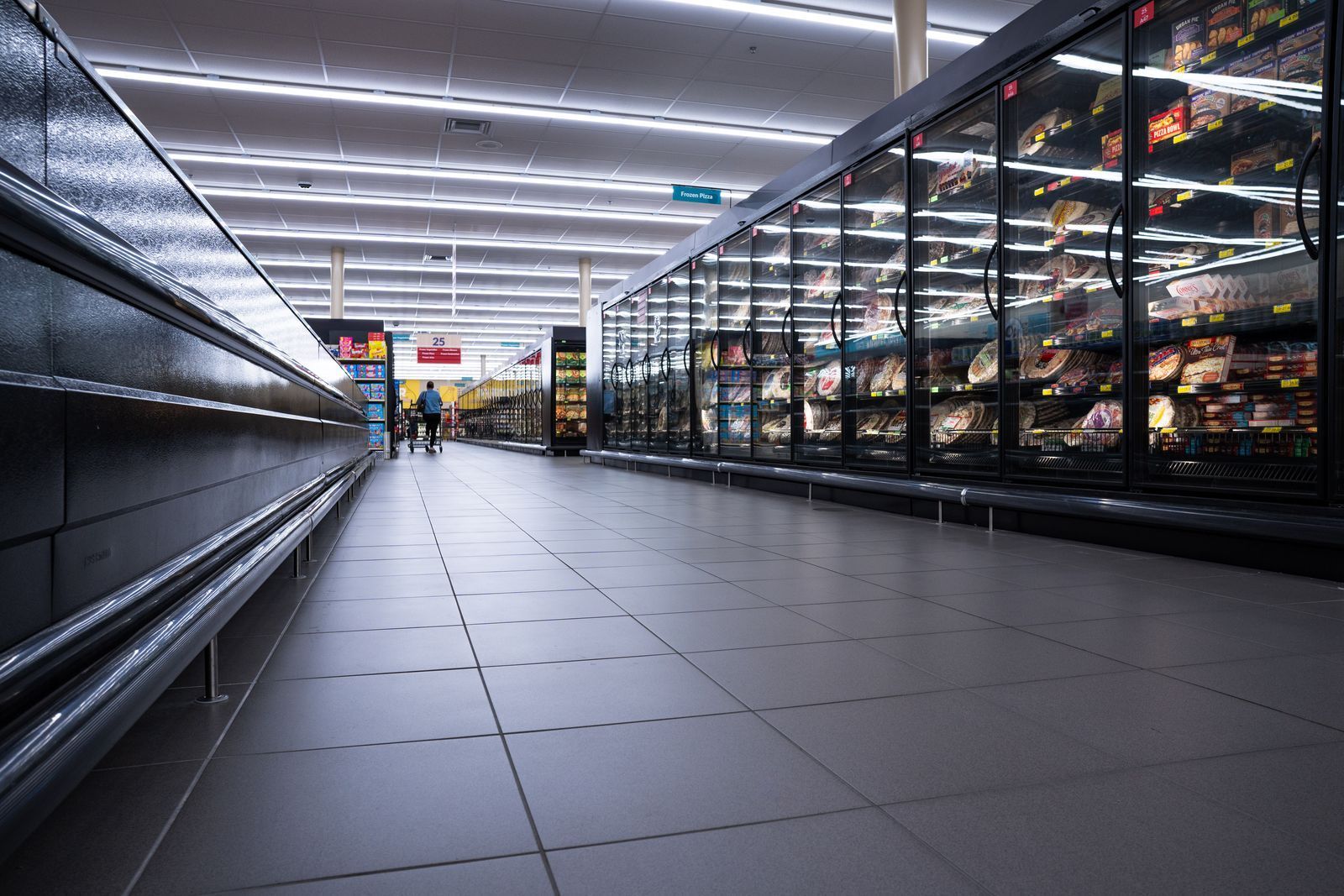
Empty supermarket aisle with tiled floor, fluorescent lights, and refrigerated shelves on the right
  • Operational demands, including traffic levels and equipment use
  • Environmental exposure to moisture, chemicals, and cleaning protocols
  • Required slip resistance for public safety
  • Alignment with architectural design intent
  • Long-term maintenance and lifecycle performance


A well-specified tile system addresses each of these considerations without requiring trade-offs between performance and appearance.

Flooring That Performs and Presents

Customer-facing environments require flooring systems that operate at an industrial level while supporting a refined, consistent appearance.


Durable tile offers a solution that aligns with both priorities. For specifiers, it provides confidence that the flooring will meet performance expectations while maintaining the integrity of the overall design.

Request a Consultation

Explore how Argelith’s engineered tile solutions support spec-driven projects in customer-facing environments. Request a consultation for tailored, high-performance flooring solutions.

Disclaimer: Floor performance characteristics depend on proper product selection, substrate preparation, installation methods, site conditions, and ongoing maintenance. Slip resistance ratings and hygienic performance may vary based on use conditions, cleaning practices, and environmental factors.

Connect With Us

Stacked white photo frames on a marble surface, with one frame showing a pale blue image.
April 21, 2026
Learn how tile thickness impacts durability, load capacity, and performance in industrial flooring systems for long-term reliability.
Large, shiny stainless-steel industrial vats in a bright, spacious factory with a reflective floor and exposed ceiling.
April 20, 2026
Argelith Ceramic Tiles delivers durable brewery flooring solutions designed for safety, hygiene, and long-term performance in demanding production environments.
A stainless steel industrial boot cleaner station stands on a light-colored hexagonal tiled floor.
April 6, 2026
LEED Certification starts with smarter materials. Argelith Ceramic Tiles support durable, hygienic, and sustainable industrial flooring performance.
Show More