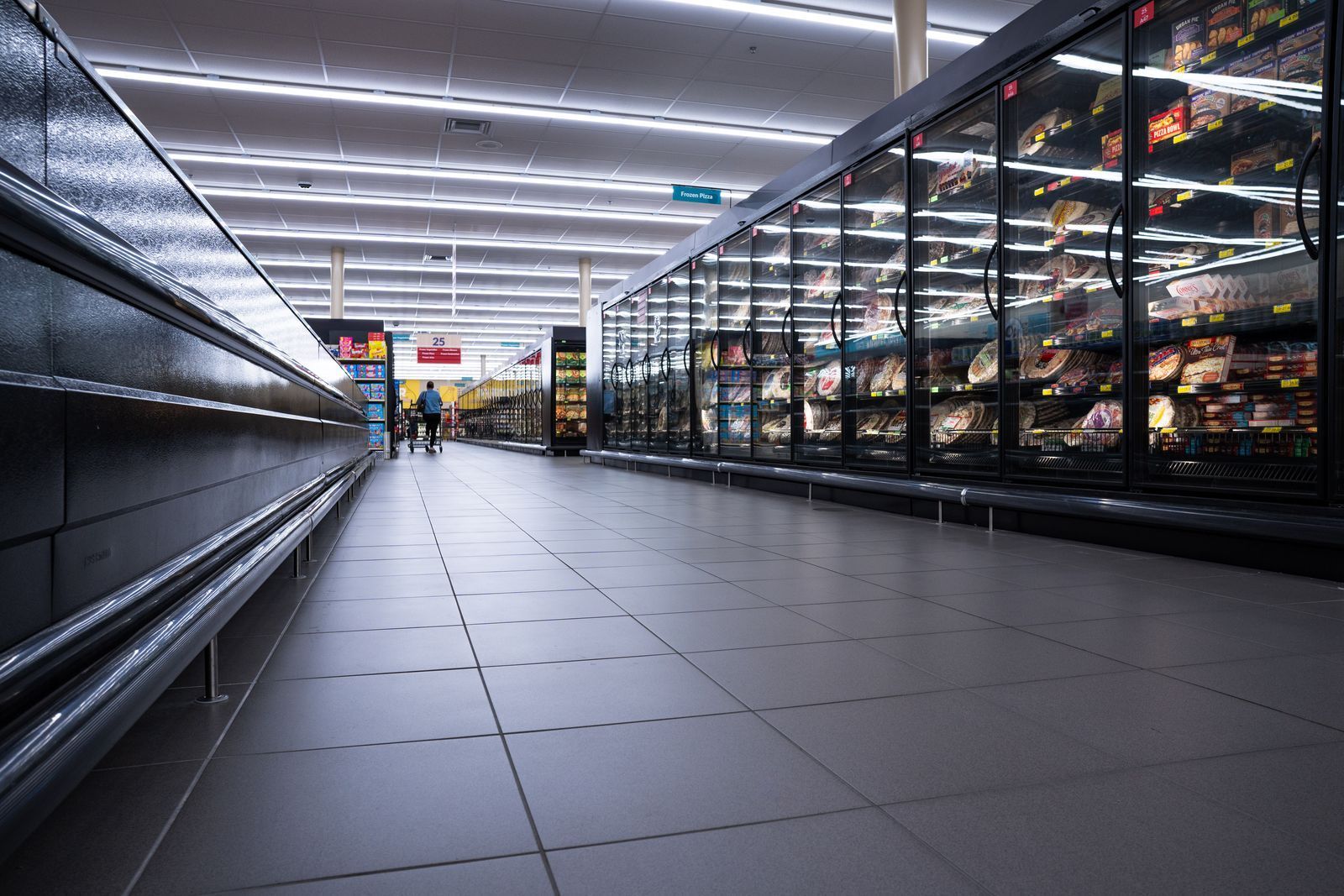
Why Low Water Absorption is an Advantage in Industrial Tiles
Argelith •
May 29, 2026
Industrial flooring is defined by performance under pressure, including mechanical loads, aggressive cleaning protocols, chemical exposure, and strict hygiene requirements. Within this context, low water absorption tiles are not simply a specification detail. They are a foundational performance characteristic that directly impacts longevity, safety, and operational efficiency.
Argelith Ceramic Tiles
engineers fully vitrified tile solutions with exceptionally low water absorption rates, ensuring that floors remain stable,
hygienic, and structurally sound even in the most demanding environments.
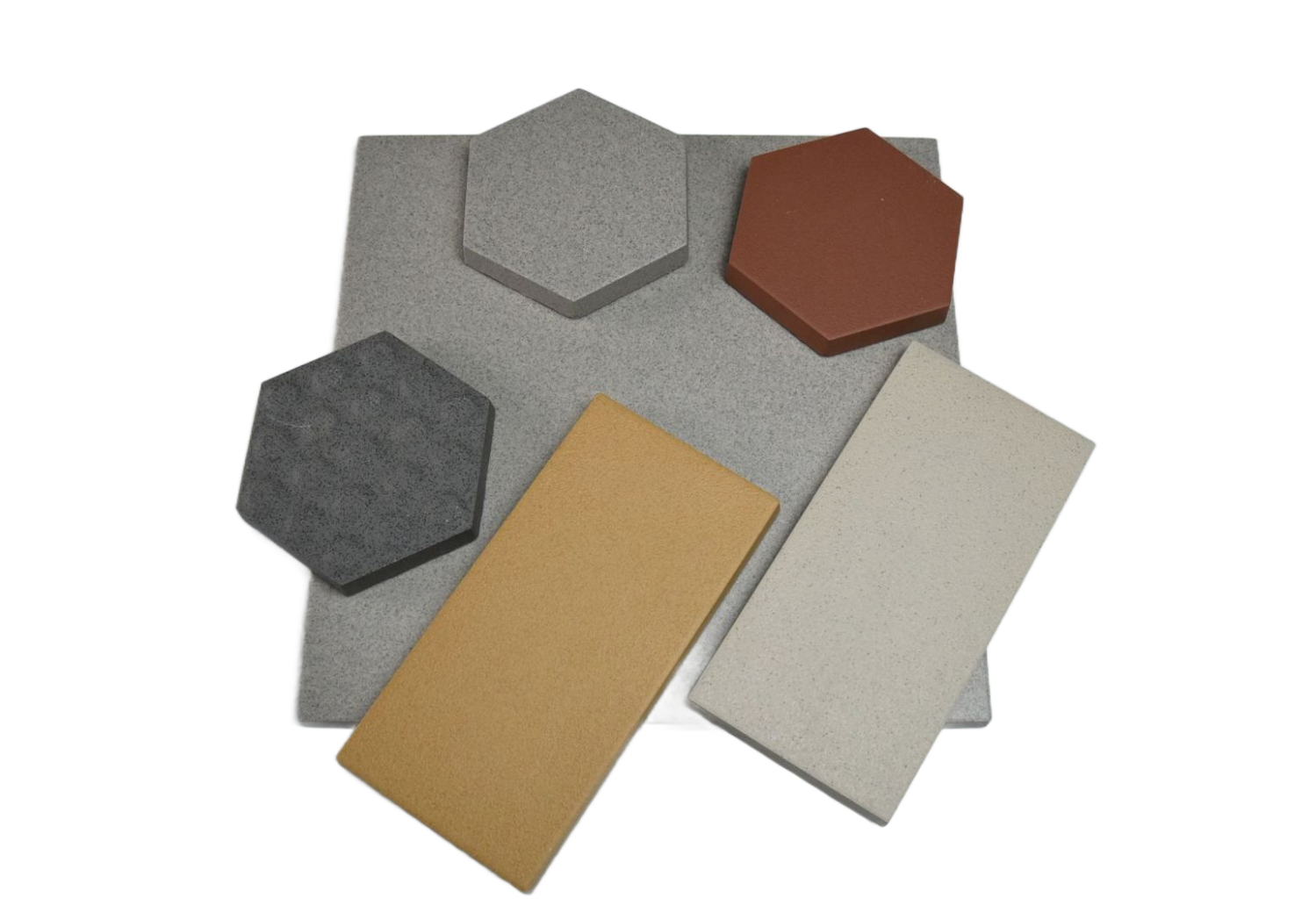
What Does “Low Water Absorption” Really Mean?
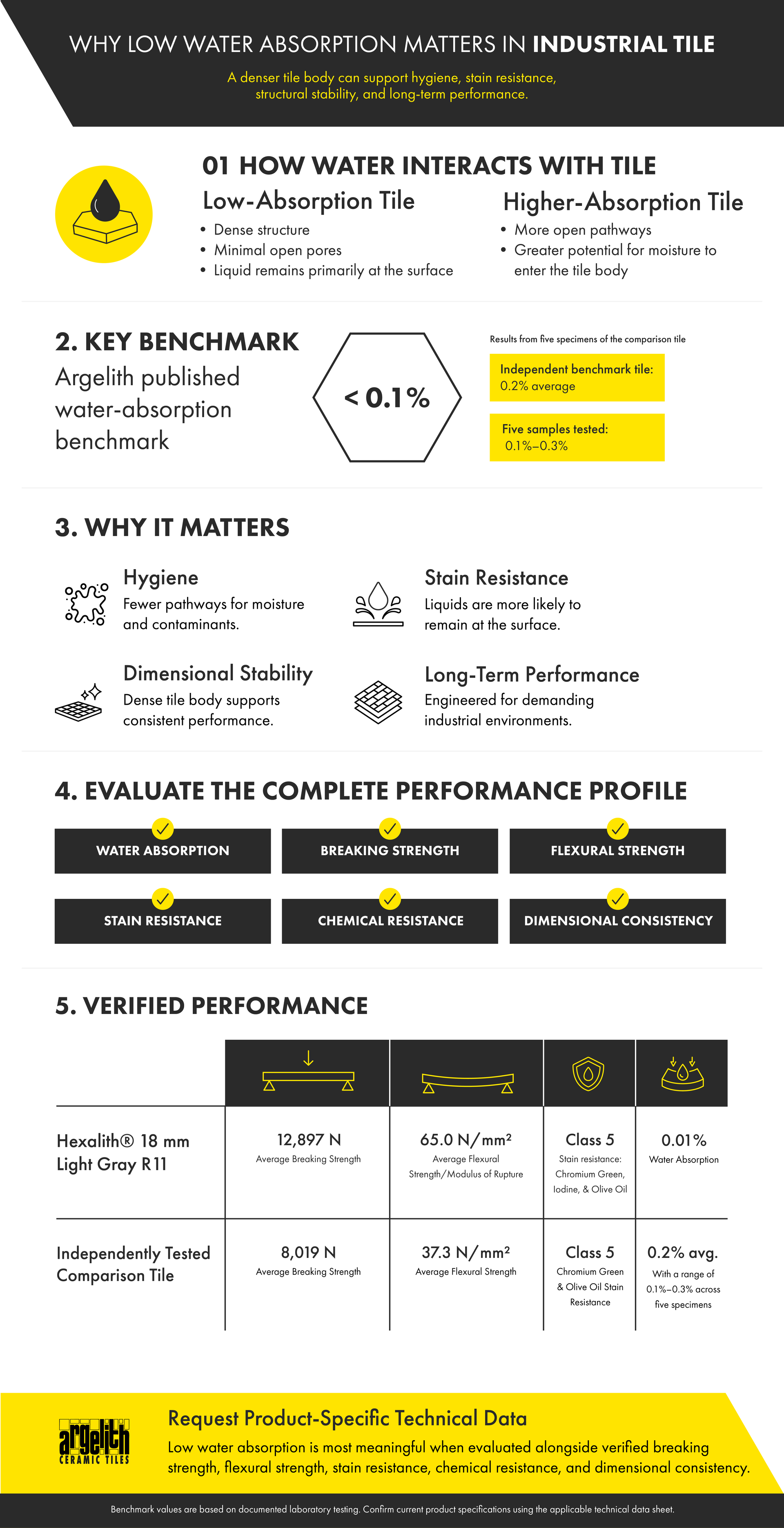
Water absorption in ceramic tiles refers to the percentage of water a tile can absorb relative to its mass. This property is measured through standardized testing, such as ASTM and ISO methods, where tiles are exposed to water under controlled conditions.
- Low water absorption tiles typically absorb ≤ 0.1% water
- This level classifies them as fully vitrified tiles
- The tile body is dense and extremely dense, minimizing pathways for moisture intrusion
In practical terms, this means the tile does not readily allow water, chemicals, or contaminants to penetrate its surface. Instead, liquids remain on the surface, where they can be effectively cleaned and managed.
This structure is a hallmark of precision engineering. The dense composition limits the ability of moisture and contaminants to enter the tile body, supporting long-term hygienic performance in demanding environments.
Why Low Water Absorption Matters in Industrial Environments
In industrial and commercial facilities, floors are constantly exposed to liquids, whether from cleaning processes, production activities, or environmental conditions. High absorption materials can trap moisture, leading to degradation, contamination risks, and structural instability.
Low water absorption tiles provide a controlled and predictable surface that supports:
- Consistent hygiene standards
- Resistance to chemical infiltration
- Long-term dimensional stability
- Reduced maintenance complexity
These advantages are particularly critical in industries such as food processing, automotive service, and logistics centers, where flooring performance directly influences operational reliability.
Hygiene and Contamination Control
Hygiene is non-negotiable in sectors like food and beverage processing, pharmaceuticals, and commercial kitchens. Flooring surfaces must actively support sanitation protocols rather than compromise them.
Low water absorption tiles contribute to hygienic performance through their dense structure, which limits the ability of moisture and contaminants to migrate into the tile body.
- Preventing moisture from entering the tile body
- Reducing the risk of bacterial growth beneath the surface
- Allowing thorough surface cleaning without residual contamination
Because liquids remain on the surface, cleaning agents can be applied and removed effectively. This is especially important in facilities that rely on frequent washdowns or sanitation cycles.
Additionally, when paired with narrow grout joints (1/16" to 1/8") and properly selected grout systems, such as epoxy in chemically intensive environments, the entire floor system supports a more hygienic, extremely dense surface.
The result is a flooring solution that aligns with stringent hygiene protocols while maintaining long-term integrity.
Chemical Resistance and Surface Integrity
Industrial floors are often exposed to aggressive substances such as oils, acids, alkalis, and cleaning chemicals. In porous materials, these substances can infiltrate the surface, leading to staining, structural weakening, and long-term degradation.
Low water absorption tiles mitigate these risks by limiting penetration pathways.
Argelith’s vitrified tiles are engineered to:
- Resist chemical infiltration at the surface level
- Maintain structural integrity despite repeated exposure
- Preserve appearance under demanding conditions
It is important to note that tile performance is only one component of a complete system. Grout selection plays a critical role. In environments with high chemical exposure, epoxy grout is recommended over cementitious options, which may degrade over time.
This systems-based approach ensures that both tile and grout work together to deliver consistent performance.
Freeze-Thaw and Thermal Stability
In facilities exposed to temperature fluctuations, such as cold storage areas, loading docks, or exterior-adjacent spaces, moisture absorption can lead to freeze-thaw damage.
When water enters a porous material and freezes, it expands, creating internal stress that can cause cracking or surface damage.
Low water absorption tiles significantly reduce this risk by:
- Minimizing internal moisture retention
- Maintaining dimensional stability across temperature changes
- Supporting long-term durability in fluctuating environments
This makes vitrified tiles particularly suitable for cold chain logistics, food distribution centers, and industrial freezers, where thermal stability is essential.
Structural Durability Under Load
Industrial environments demand flooring that can withstand heavy machinery, constant forklift traffic, and concentrated point loads.
Moisture absorption can weaken a tile’s internal structure over time, especially when combined with mechanical stress. Low absorption tiles maintain a dense and compact structure that supports load-bearing performance.
Key benefits include:
- Reduced risk of microfractures caused by internal moisture expansion
- Consistent strength across the tile body
- Long-term resistance to wear and fatigue
Argelith tiles are engineered to perform under these conditions, delivering reliable support in environments where downtime is not acceptable.
Addressing the Misconception: Is Low Water Absorption a Disadvantage?
A common misconception is that low water absorption may negatively impact tile performance, particularly in installation or slip resistance.
In reality, these concerns are based on misunderstandings rather than material limitations.
Installation Considerations
Because low absorption tiles do not readily absorb moisture, proper installation methods are essential:
- Use of appropriate thinset mortars designed for dense tiles
- Ensuring full coverage to avoid voids beneath the tile
These practices are standard among experienced installers and are supported by industry guidelines such as TCNA and NTCA.
Slip Resistance
Slip resistance is determined by multiple factors, including surface profile, contaminants, cleaning practices, footwear, and environmental conditions, rather than water absorption rates alone.
Argelith tiles are engineered with nonskid surface profiles and optional safety striping to support traction in demanding industrial environments. The tile structure also promotes easier cleaning and long-term surface performance.
Argelith’s Engineered Advantage
Argelith’s approach to low water absorption is backed by decades of industrial flooring expertise and a commitment to precision manufacturing.
Key differentiators include:
- Fully vitrified structure for ultra-low absorption
- Baked-on finishes that maintain appearance under heavy use
- Slip-resistant surface profiles tailored to industrial applications
- Consistent quality control aligned with ASTM and ISO standards
These engineered tiles are not generic products. They are tailored solutions designed to meet the specific demands of each project.
With US-based warehousing and dedicated customer support, Argelith ensures that clients receive both high-performance materials and responsive service.
Application Spotlight: Where Low Absorption Delivers the Most Value
Low water absorption tiles are particularly valuable in environments where moisture, hygiene, and durability intersect.
Nature's Symphony
Food and Beverage Processing
- Frequent washdowns require surfaces that resist water infiltration
- Hygiene standards demand easy-to-clean, extremely dense materials
- Chemical exposure from cleaning agents requires strong resistance
Automotive Workshops
- Exposure to oils, fuels, and chemicals
- Heavy equipment and vehicle loads
- Need for slip resistance in wet conditions
Grocery Stores and Retail
- High foot traffic with frequent cleaning
- Spills that must be quickly and effectively managed
- Aesthetic consistency under constant use
Breweries and Commercial Kitchens
- Continuous exposure to liquids and organic materials
- Strict sanitation requirements
- Need for durable, easy-maintenance flooring systems
In each of these applications, low water absorption supports both performance and operational efficiency.
Best Practices to Maximize Performance
To fully realize the benefits of low water absorption tiles, proper installation and maintenance practices are essential.
Installation
- Work with experienced, qualified installers
- Use appropriate mortars for tiles installation
- Ensure proper substrate preparation
- Select grout based on environmental conditions, with epoxy recommended for chemical exposure
Post-Installation
- Use auto-scrubbers with pads for routine cleaning
- Adjust pad aggressiveness based on soil conditions
- Use recommended grout manufacturer cleaning protocols
Ongoing Maintenance
- Implement consistent cleaning protocols
- Monitor grout condition in high-stress areas
- Address spills promptly to maintain surface performance
These practices ensure that the flooring system performs as intended over its full lifecycle.
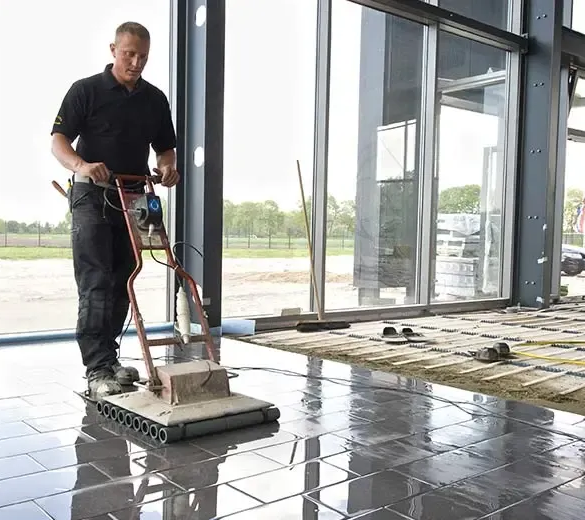
Low Absorption as a Performance Benchmark
Request a consultation to identify the right high-performance flooring solution for your industrial environment.
Low water absorption is more than a technical specification. It is a benchmark of quality and performance in industrial flooring. With absorption rates as low as ≤ 0.1%, fully vitrified tiles provide a dense, extremely dense surface that supports hygiene, durability, and long-term structural stability.
By minimizing moisture intrusion, this will:
- Enhance hygiene and cleanability
- Improve chemical resistance
- Maintain structural integrity under stress
- Support long-term durability in demanding environments
Argelith Ceramic Tiles leverages this principle to deliver engineered flooring solutions that meet the highest standards of industrial performance.
For decision-makers evaluating flooring systems, understanding the role of water absorption is essential. It is not a secondary feature. It is a defining factor in how a floor performs over time.
Disclaimer: Floor performance characteristics depend on proper product selection, substrate preparation, installation methods, site conditions, and ongoing maintenance. Slip resistance ratings and hygienic performance may vary based on use conditions, cleaning practices, and environmental factors.