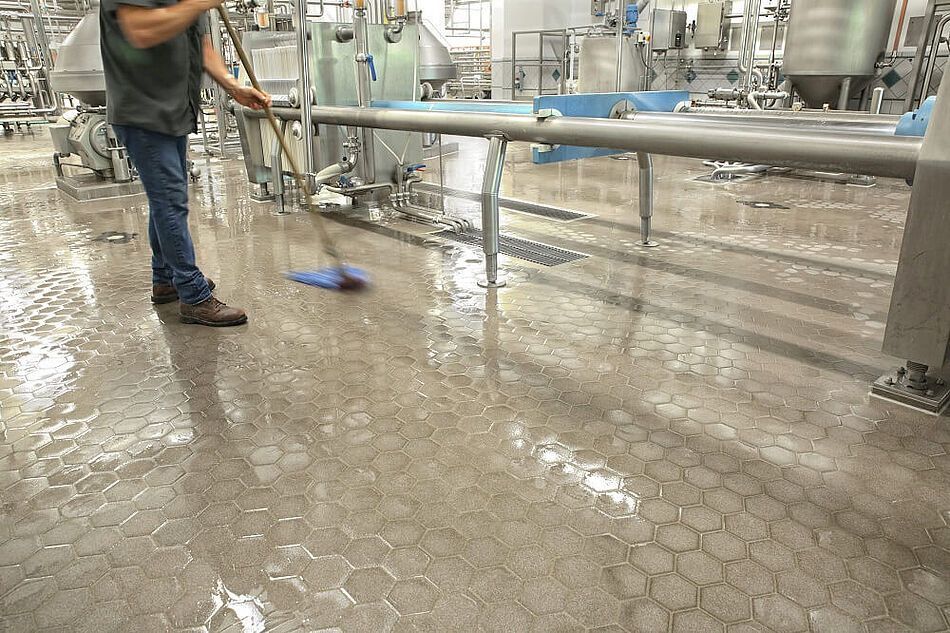
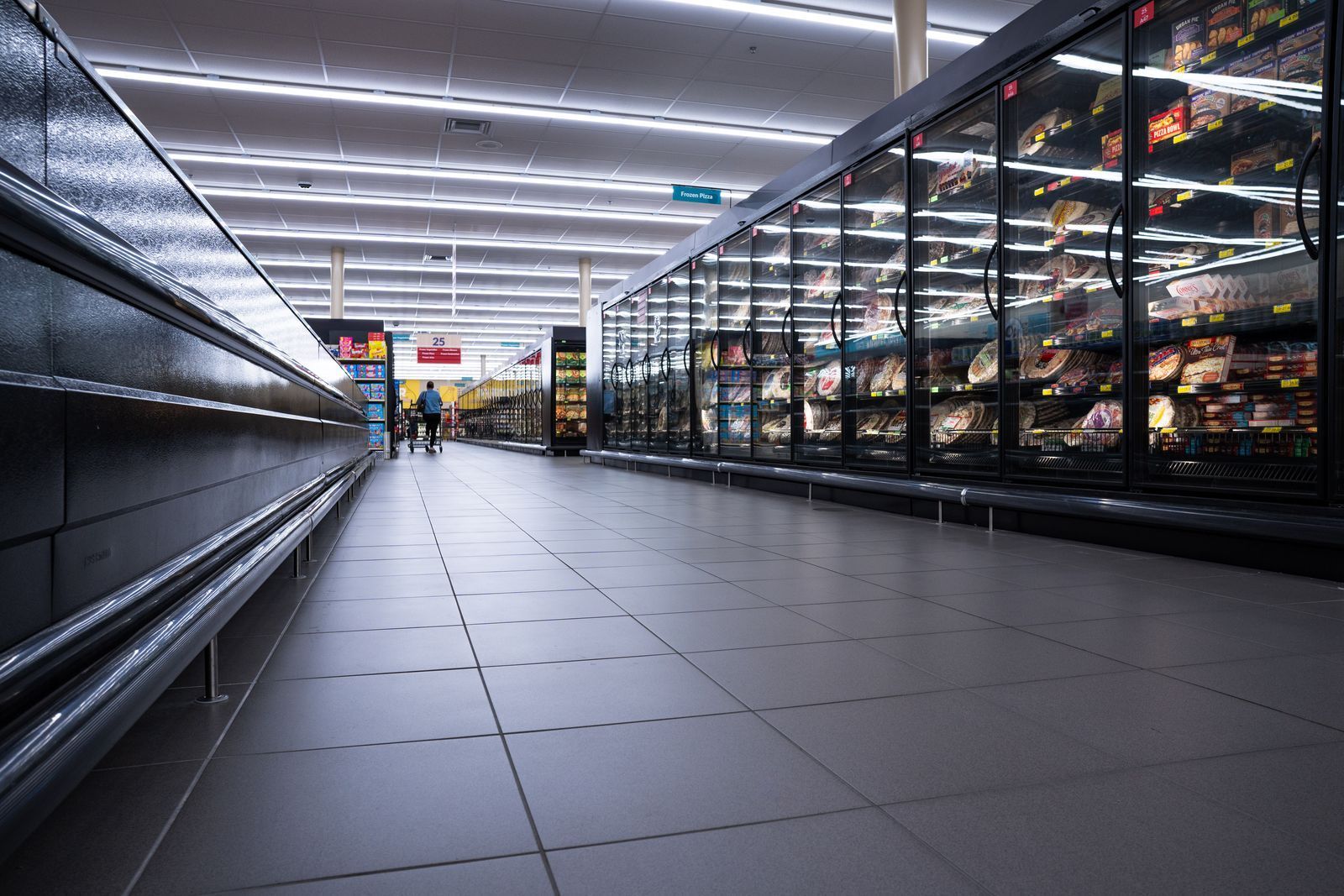
The Overlooked Brewery Upgrade: Your Floor
Every brewery has its signature: crafted flavor profiles, standout packaging, and a recognizable taproom aesthetic. Yet one element shapes the space long before visitors notice the details. The floor is often treated as an afterthought, assumed to be durable by default. But brewery floors face far more than foot traffic, and treating them as passive surfaces can invite hidden costs.
Demands of the Modern Brewery Environment
A
brewery floor must endure constant exposure to moisture, temperature swings, chemicals, and heavy equipment. Add foot traffic, dropped tools, rolling kegs, carts, pallet jacks, and the surface becomes a frontline player in daily operations. Many breweries also rely on Clean-in-Place (CIP) systems, exposing floors to repeated cycles of caustic and acidic cleaning solutions combined with elevated temperatures. Cleaning cycles are frequent and often aggressive. The floor needs to perform under pressure, not just hold up. Its reliability influences everything from safety to productivity.
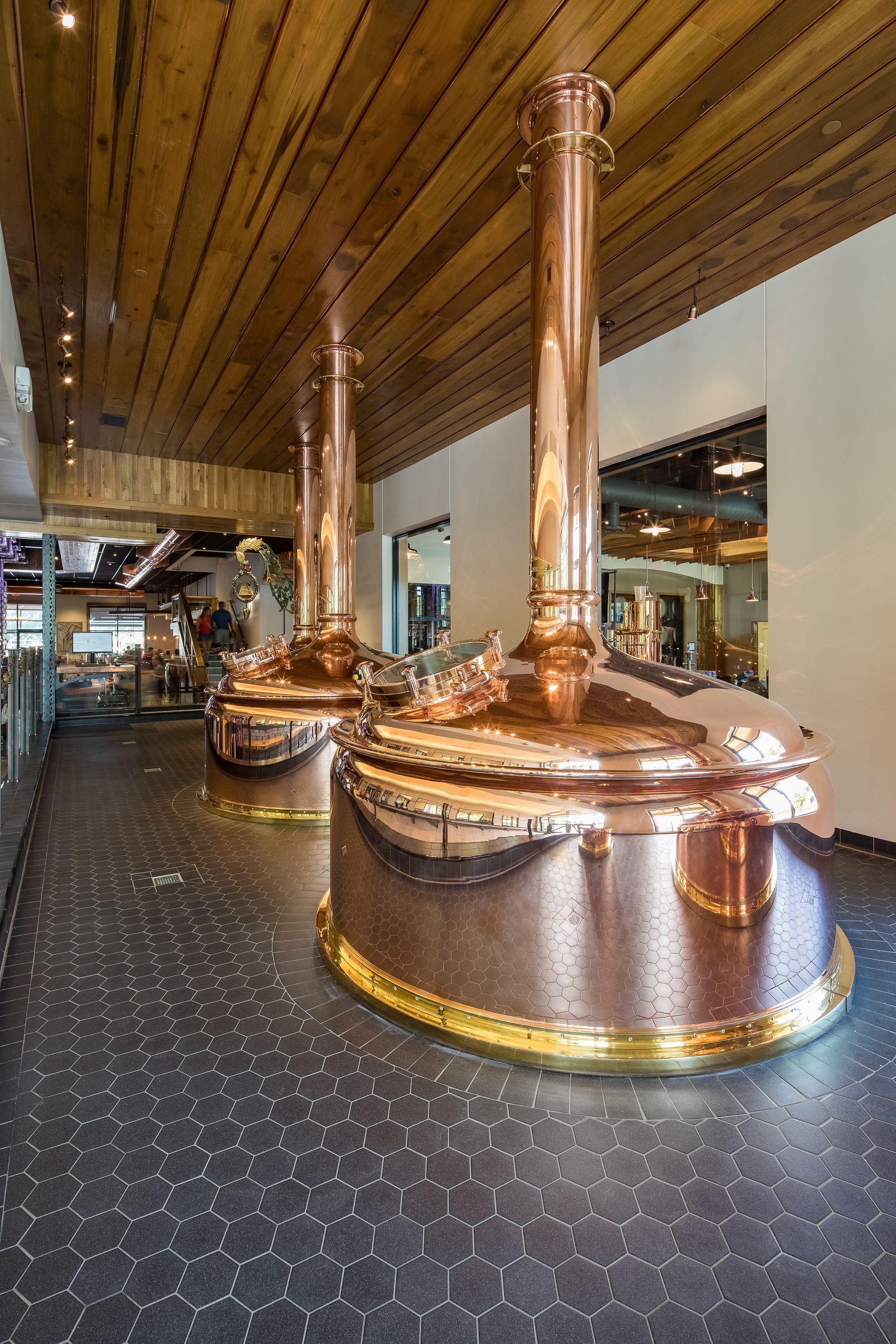
The Dual Role of Brewery Flooring: Function + Form
Operational Efficiency
Brewery operations move fast. Floors must support the weight of full tanks, withstand thermal shock from washdowns, and stay safe even when wet. Materials that chip or crack under stress can create hazards and delay production. Surfaces that drain poorly or trap residue require more labor. A well-designed brewery floor helps staff work efficiently without having to battle the surface beneath them.
Visual Appeal
A brewery’s floor frames the entire space. In customer-facing areas, it plays a visible role in how the brand is experienced. Even in production zones, aesthetics matter. Clean, uniform surfaces communicate order and professionalism. Discolored patches, cracks, or uneven textures draw attention for the wrong reasons. Choosing a material that maintains its appearance over time strengthens the brewery’s overall impression.
Customer-Facing Spaces
Tasting rooms, retail sections, and event areas are part of the brand experience. These spaces need flooring that balances durability with style. A surface that looks clean, complements the design, and feels solid underfoot contributes to a positive atmosphere. Floors in these zones carry both aesthetic and practical weight, connecting the customer experience directly to the physical environment.
Flooring Materials Compared
Epoxy
Epoxy coatings are common in brewery settings for their seamless finish and chemical resistance. They bond directly to the substrate, forming a continuous layer that blocks moisture. While attractive when new, they can chip, peel, or blister over time. That risk grows in areas exposed to thermal shock or heavy impact. Once compromised, repairs often stand out and require downtime to complete.
Polished Concrete
Polished concrete is valued for its clean look and long service life. It performs well under foot traffic and resists surface stains when properly treated. However, it is naturally porous and may absorb spills if sealants wear down. These conditions can lead to discoloration or hygiene concerns in production areas. The surface can also become slick when wet, raising safety concerns in active zones.
Porcelain Tile
Porcelain tile offers a hard, dense surface that resists moisture and most chemicals. It holds up well under routine cleaning and foot traffic. However, its performance depends on the quality of the installation and the grout used. Improper grout can absorb liquids or break down under aggressive cleaning. While suitable for some brewery zones, porcelain may not withstand the most demanding production areas. Porcelain tiles are typically thinner and may not provide the same level of load-bearing strength as thicker industrial vitrified tiles in heavy-use brewery environments.
Vitrified Tiles
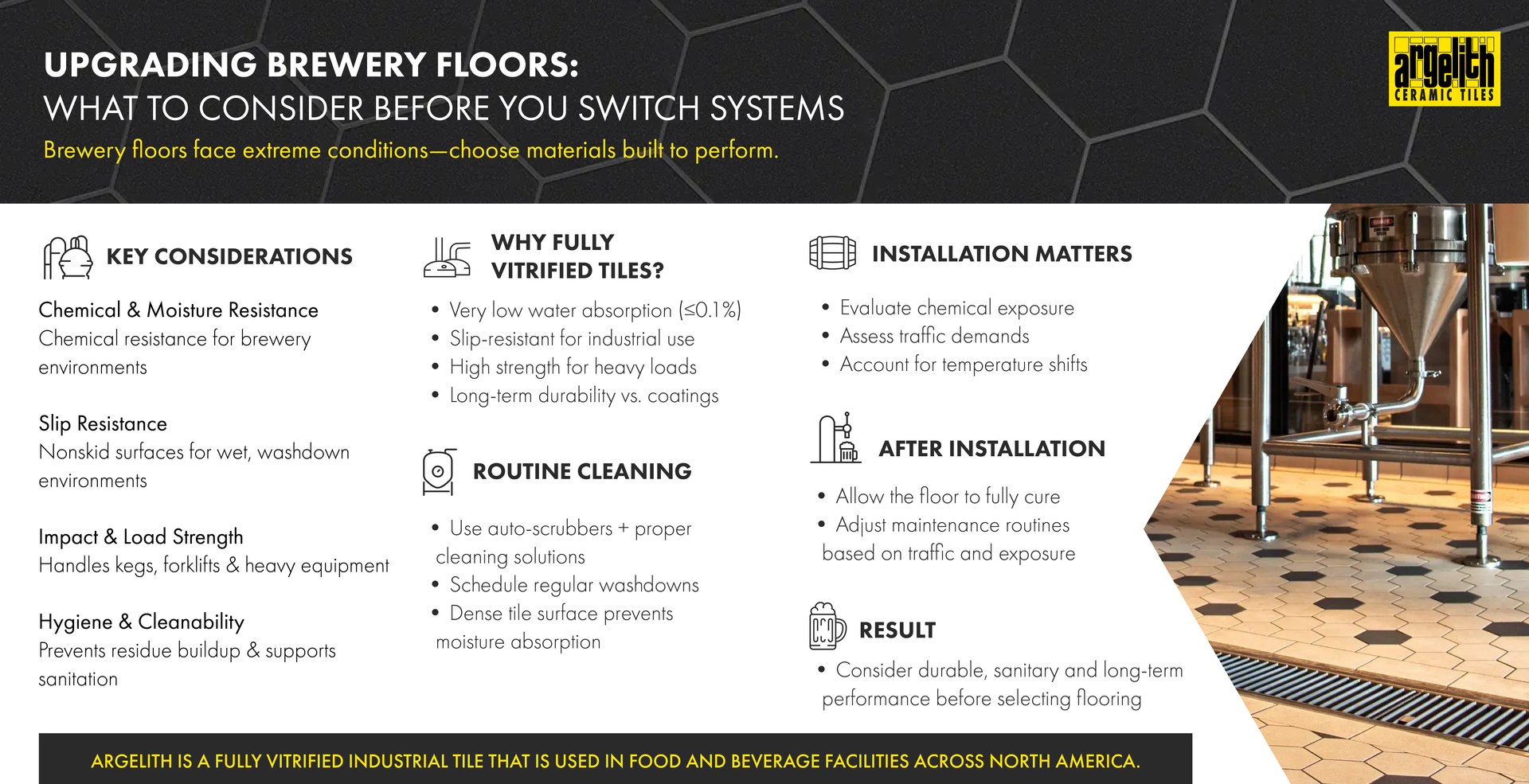
Vitrified tiles are engineered for durability and low porosity. Fired at extremely high temperatures, they resist moisture, thermal shock, and abrasion without the need for additional coatings. Their dense composition helps resist staining and limit conditions that can contribute to bacterial buildup, even under frequent washdowns. Unlike surface treatments that degrade over time, vitrified tiles maintain their performance and appearance across the full lifecycle of a brewery floor.
Why Argelith Tiles Are the Brewer’s Choice
Extreme Durability
Brewery floors face constant stress from forklifts, kegs, thermal cycling, and chemical exposure. Argelith’s fully vitrified tiles are built to absorb that impact without cracking or breaking down. Their strength comes from a through-body composition, not a surface coating, so performance doesn’t wear away. Unlike coating systems, the performance of fully vitrified tiles is inherent to the material itself rather than dependent on a surface layer. Even in the most active zones, these tiles hold up over time, reducing repair needs. In the event of localized damage, individual tiles can be replaced without removing the entire floor system, helping minimize disruption to brewery operations.
Slip Resistance
Breweries deal with frequent spills of water, beer, and cleaning solutions, which pose a constant safety concern for floors. Argelith tiles are available in
slip-resistant finishes that help reduce slip risks when properly selected, installed, and maintained in both production and public areas. Unlike coatings that wear down, the textured surface is part of the tile body. This keeps traction consistent even under heavy use or aggressive sanitation.
Hygienic
Cleanliness matters in every part of a brewery, from fermentation rooms to tasting areas. Fully vitrified ceramic tiles have an extremely low water absorption rate, typically below 0.5%, which helps limit moisture penetration and supports long-term hygienic performance. Their fully vitrified structure features extremely low water absorption, helping limit areas where microbes can accumulate. That structure supports sanitary conditions during production while supporting compliance with safety and cleanliness standards.
Easy, Cost-Effective Cleaning
Frequent washdowns and chemical use are part of daily brewery life. Argelith tiles tolerate aggressive scrubbing and harsh cleaners without surface damage or fading. Their tight grout lines and dense bodies help reduce buildup and support efficient and effective cleaning. This efficiency lowers labor time and cleaning supply use, helping breweries manage upkeep without sacrificing performance or presentation.
Real-World Examples
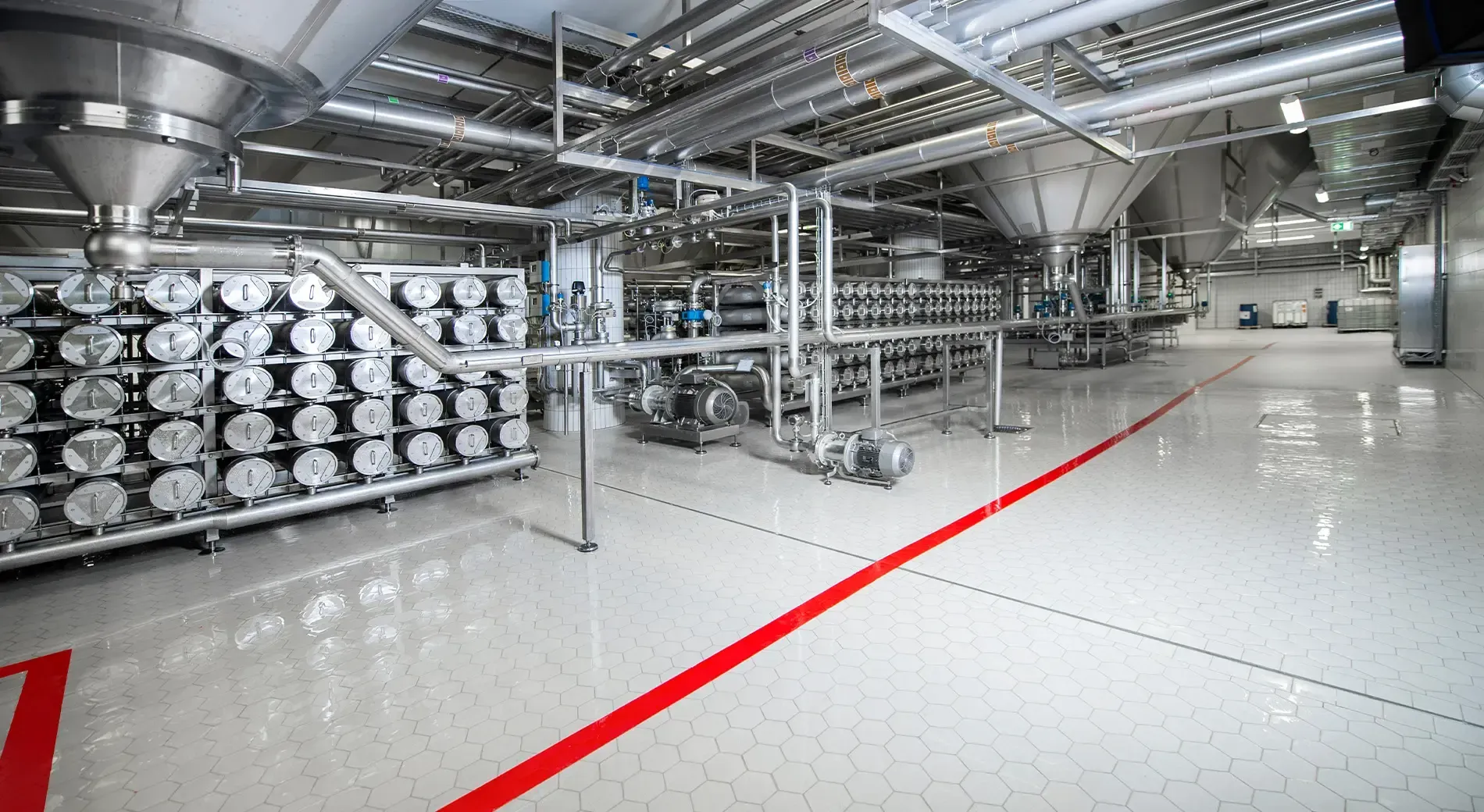
Hopewell Brewing Co. in Chicago needed a floor that could handle more than typical production stress. Their historic building ruled out trench drains, required precise pitching to multiple points, and exposed the brewhouse through a floor-to-ceiling window. Argelith’s Hexalith vitrified tiles delivered a surface that withstands steam, chemical exposure, tight layouts, and visual scrutiny, turning the floor into a visible part of the customer experience.
Elevating Brewery Branding Through Design
Flooring plays a role in how customers perceive a space. Materials that reflect the brewery’s visual identity, through thoughtful choices in color, texture, and layout, help reinforce brand character. A clean, intentional floor can signal care, craftsmanship, and attention to detail. Design decisions made underfoot may go unnoticed at first, yet they shape how welcoming or memorable a taproom feels.
Don’t Let Your Floor Be an Afterthought
Brewery floors affect daily operations, long-term costs, and customers' experience of the space. Choosing a durable, low-maintenance flooring solution early in the planning phase avoids costly fixes and missed expectations later. A floor that wears out early creates more than inconvenience. It disrupts production schedules, introduces safety risks, and leaves a lasting negative impression on customers. Unlike many coating systems that require periodic replacement, fully vitrified tile flooring can remain in service for decades when properly installed and maintained.
Good flooring decisions aren’t loud, but they are felt every day. If you’re ready to rethink yours from the ground up,
reach out to Argelith and start building a floor that works as hard as you do.