Ultimate Guide to Brewery Flooring Solutions
Argelith •
April 20, 2026
Steam rolls across the floor while forklifts hum in the distance, and the air smells faintly of hops. A brewery in full production doesn’t pause for design flaws. Floors must carry the weight, literally and figuratively, of constant motion, spills, heavy equipment, and safety expectations. The right brewery flooring system directly influences efficiency, safety, and long-term performance.
Key Challenges in Brewery Flooring
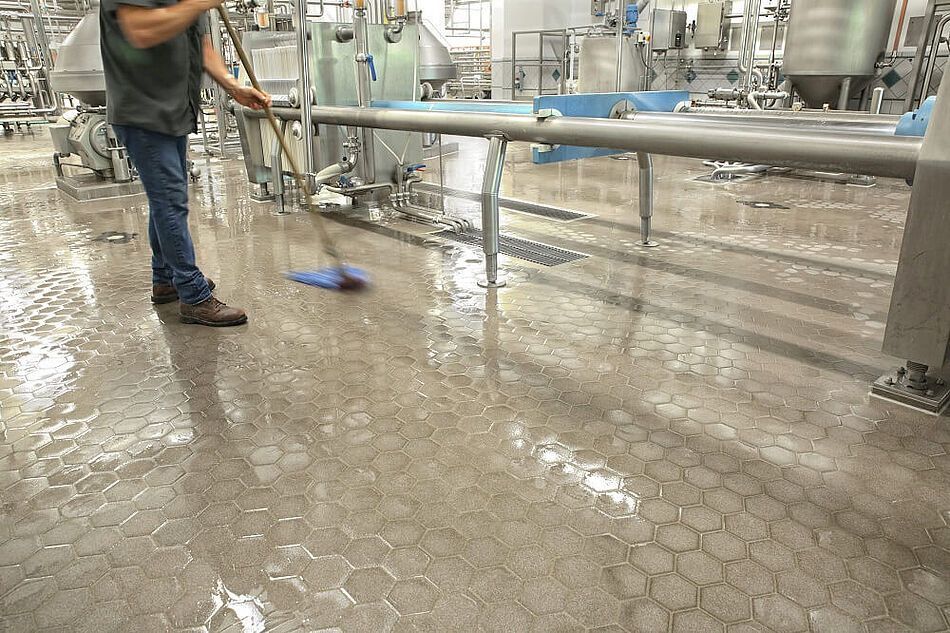
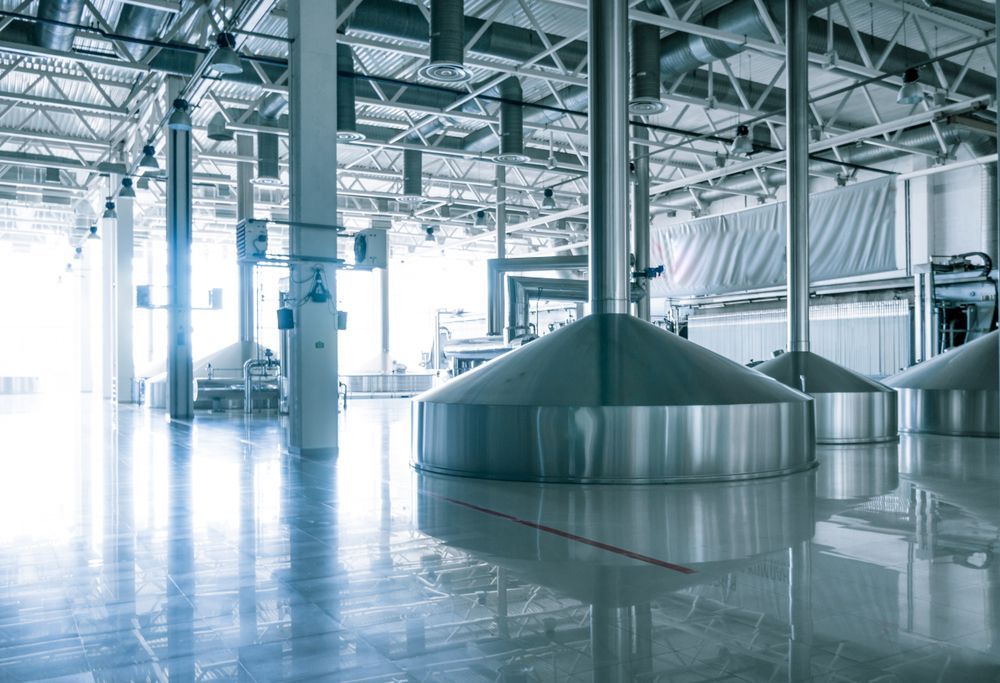
Brewery flooring faces a unique combination of stressors. Thermal shock from hot water discharges can cause cracks in materials not built for sudden temperature changes. Slippery conditions from spilled beer, water, and cleaning agents increase the risk of accidents, especially in fast-moving work zones. Caustic sanitizers and acids used in cleaning can wear down unprotected surfaces over time. Many breweries also rely on Clean-in-Place (CIP) systems, which expose floors to repeated cycles of caustic and acidic cleaning solutions combined with elevated temperatures.
Long hours of foot traffic and forklift movement add another layer of wear. That’s why flooring in these environments must go beyond basic durability.
Breweries depend on
chemical-resistant tile flooring to maintain hygiene and appearance,
heat-resistant tile flooring to withstand cleaning cycles, and
anti-slip tile flooring to support safety in wet production areas. Each of these features directly contributes to smoother operations and fewer interruptions.
What to Look for in Brewery Flooring
Choosing flooring for a brewery means balancing hygiene, safety, and durability under demanding conditions. The surface must handle frequent cleaning, heavy equipment, and spilled ingredients without breaking down or harboring bacteria. Porosity matters. Absorptive surfaces trap moisture and promote microbial growth, especially in grout lines or surface cracks. Low-absorption materials help prevent this. Textured finishes are also key, offering traction without sacrificing cleanability.
A smart choice is
water-resistant tile flooring that won’t deteriorate under constant exposure to moisture. It also helps prevent pooling, which reduces slip hazards and streamlines washdowns. The right floor surface works in concert with layout and workflow, creating a safer, cleaner environment that holds up to long shifts and frequent turnover.
Common Brewery Flooring Mistakes to Avoid
Even experienced teams can overlook key details when choosing or installing brewery flooring. These missteps may not be obvious at first but often lead to safety issues, maintenance burdens, or early failure.
Choosing the wrong material: Not all floors handle moisture, acids, or thermal shock equally. Comparing epoxy and ceramic tile helps clarify which performs better under brewing conditions.
Overlooking slope and drainage: Poor drainage allows standing water to collect, increasing slip risk and cleanup time.
Using wide grout joints: These collect debris and water, weakening over time and complicating cleaning.
Skipping slip resistance: Smooth finishes may look clean, but become hazardous when wet.
Hiring inexperienced installers: Proper installation directly affects long-term performance and appearance.
Why Fully Vitrified Ceramic Tiles are Ideal for Breweries
Brewery environments demand flooring that holds up under stress without compromising hygiene or safety. Fully vitrified ceramic tiles meet these needs through their dense, low-absorption structure. This reduces absorption to near zero, preventing moisture from seeping into the tile and helping reduce conditions that can contribute to bacteria or mold growth.
Their durability supports the weight of brewing tanks, forklifts, and constant foot traffic without cracking or wearing down. In the event of localized damage, individual tiles can be replaced without removing the entire floor system, helping minimize disruption to brewery operations. The small-format design also allows for better load distribution and improved drainage toward floor slopes, which is critical in brewery environments. High firing temperatures also make them more resistant to thermal shock than many alternatives. These characteristics make
fully vitrified industrial tiles a long-term solution, especially in brewery flooring zones exposed to high temperatures, caustic cleaners, and wet conditions. Their strength and consistency protect both the process and the people behind it.
Argelith’s Solutions for Brewery Environments
Argelith’s engineered flooring systems are designed for the physical realities of brewing. Each area in a brewery presents unique flooring challenges based on the tasks performed and the materials used. We supply formats, textures, and finishes that match those needs without compromise.
Their
industrial tiles for breweries combine strength and hygiene with flexible design options. The tiles maintain their surface integrity under heavy machinery, resist aggressive cleaning agents, and reduce the risk of slips in wet zones. Narrow grout joints and baked-on finishes support sanitation and speed up washdowns.
Interested in real-world examples?
Check out some of the most successful breweries with Argelith flooring and see how tailored solutions enhance day-to-day operations across the industry.
Best Practices for Installing Brewery Flooring
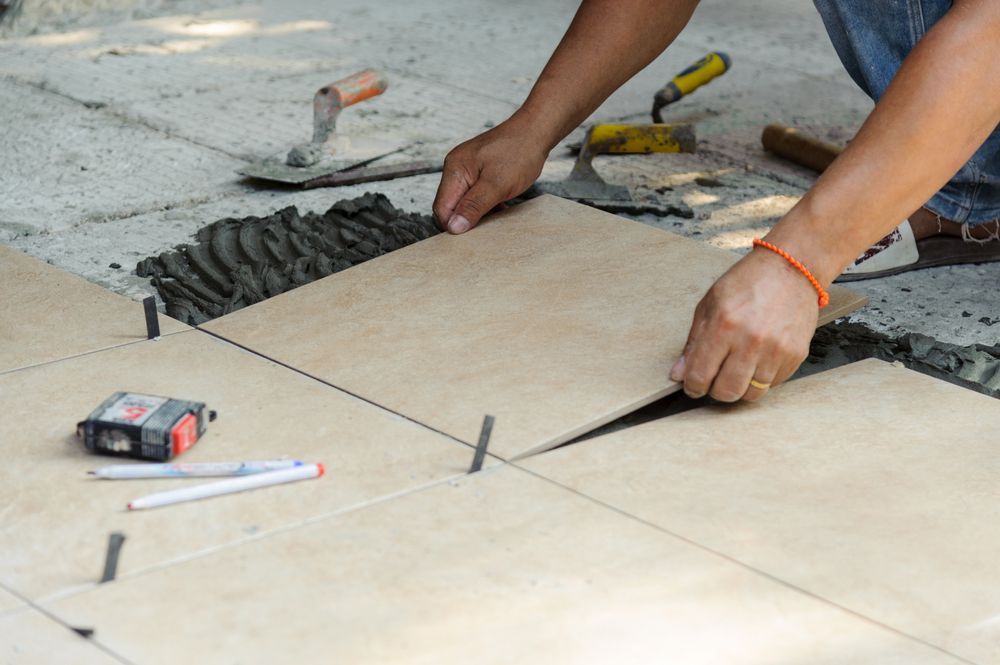
Proper installation plays a critical role in long-term flooring performance. Installation practices should follow applicable industry standards and be determined by qualified installers based on project-specific conditions. Even the most durable tile can fail prematurely if installed without attention to slope, spacing, surface prep, and product compatibility. Working with contractors experienced in industrial ceramic tile installations helps avoid these issues.
Key practices include:
- Using narrower joints can help reduce water retention and chipped edges in high-traffic areas
- Selecting the best grout for industrial tile flooring based on exposure to chemicals, moisture, and heat
- Incorporating a proper slope toward drains can help reduce standing water
- Avoiding surface-level irregularities that trap debris and slow cleaning
- Allowing appropriate curing time before exposing the floor to traffic or cleaning
These steps enhance long-term hygiene, safety, and structural integrity. Proper installation, combined with the right material selection, plays a key role in long-term performance in brewery environments.
Real-World Applications and Success Stories
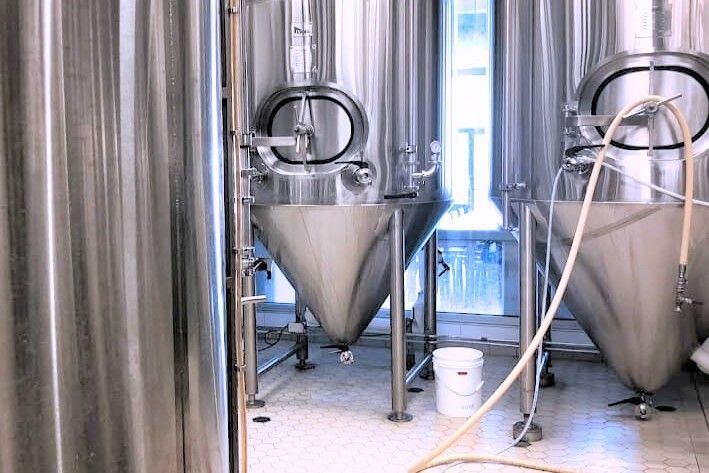
Craft breweries often operate in unconventional spaces, which can complicate decisions around layout, drainage, and aesthetics. One Chicago brewery transformed a tight, historic location into a fully functional brewhouse using Argelith tile to meet strict performance and visual standards. The project required a solution that could handle chemical exposure, water, and high heat while also creating a clean, polished look visible to guests.
Our engineered tile proved up to the task, helping the brewery overcome space limitations and long-term maintenance concerns. The result is a production floor that supports the work behind the scenes and enhances the experience out front. For the full story, take a closer look at the
Hopewell Brewing Co. case study.
Designing Brewery Floors for Performance and Workflow
A well-designed brewery floor directly influences how teams move through their tasks and manage cleanup. Smooth transitions between zones, reliable traction, and efficient drainage all contribute to safer, faster workflows. Materials must hold up to repeated washdowns and resist wear in heavy traffic paths.
These factors explain why
top brewers prefer tile flooring for durability and consistent support of daily operations. The right surface can reduce fatigue, maintain cleanliness, and maintain visual appeal across high-visibility areas like taprooms or tours.
Every brewery is different. If you're planning a new facility or upgrading an existing one,
contact us to discuss options aligned with your production goals.