Selecting the Best Grocery Store Flooring
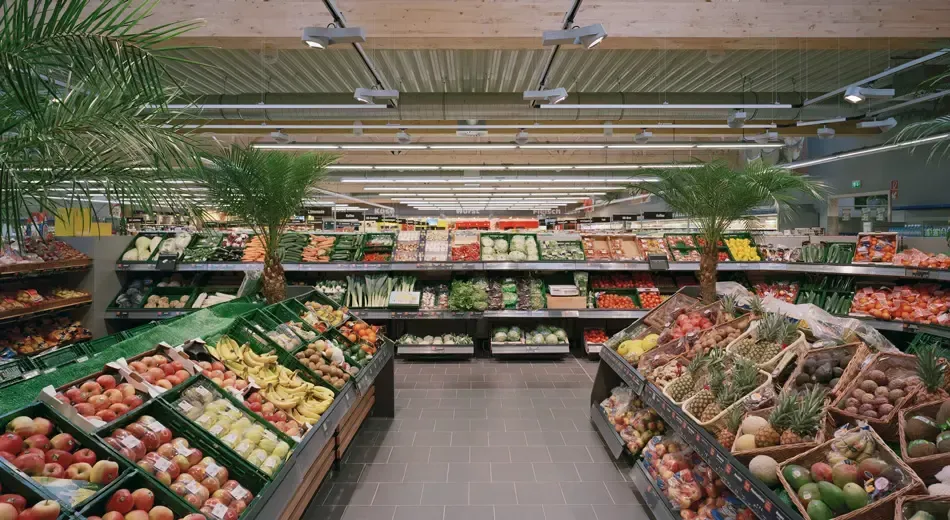
In a grocery store, the floor does more than support foot traffic. It anchors the entire customer experience. Many assume visual appeal or easy maintenance should lead the decision. But when heavy carts, food spills, and sanitation cycles come into play, the equation shifts. The right grocery store flooring system, often considered a specialized type of industrial flooring, accounts for these layers of function and delivers performance where it counts most: under constant pressure.
Key Considerations in Grocery Store Flooring
Every decision about grocery store flooring has lasting implications for safety, efficiency, and brand perception. The surface must handle high foot traffic, rolling loads, and frequent sanitation without degrading. Continuous cart and pallet jack traffic creates repetitive rolling loads that can accelerate wear in many flooring systems. Cleanability, slip resistance, and wear life are built-in expectations that any suitable surface must consistently meet. To meet performance standards across departments, flooring must support both back-of-house requirements and front-of-house presentation without compromise.
Specific Area Considerations within a Grocery Store
Different zones place different pressures on the flooring. Entryways deal with outdoor debris and moisture; produce sections require frequent washdowns; and delis see high grease exposure. Checkout lanes need surfaces that withstand repetitive stress while maintaining a clean appearance. Flooring that performs consistently across these varied conditions can reduce maintenance downtime and extend the overall service life of the installation.
Common Flooring Types for Grocery Stores
Vinyl
Vinyl flooring often comes up for its upfront affordability and design flexibility. While it offers quick installation and a broad aesthetic range, its resilience under industrial cleaning routines and high-load rolling traffic is limited. Over time, seams may split, and surfaces wear unevenly, especially in high-use areas like checkout lanes or produce departments. Maintenance costs can offset initial savings as wear accumulates.
Polished Concrete
Polished concrete delivers a sleek look and is often praised for its durability. However, in grocery environments, its surface can remain susceptible to staining and moisture penetration depending on treatment and maintenance. Spills may penetrate untreated areas, leading to staining or bacterial growth. Polishing helps with resistance but does not fully resolve slip risk, especially when floors are wet. Over time, re-polishing may be needed to maintain both appearance and function.
Epoxy Coatings
Epoxy coatings create a seamless finish that resists moisture and many chemicals, making them popular in food prep zones. Despite these benefits, the surface can chip or peel under heavy cart traffic or thermal shock. Repairs are possible but may not blend cleanly, creating inconsistencies over time. Installation also requires downtime, and improper prep can lead to early failure or delamination.
Vitrified Tiles
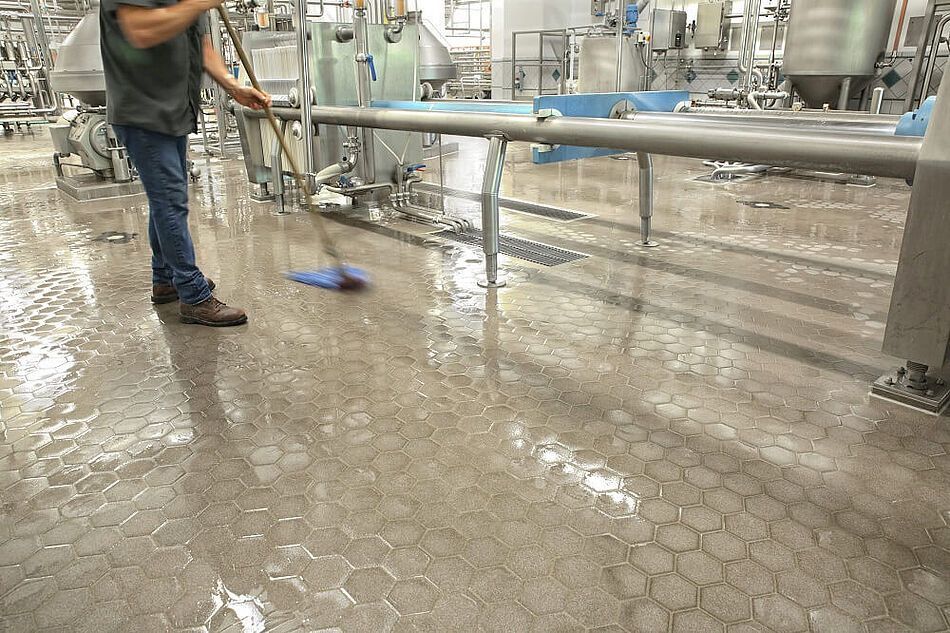
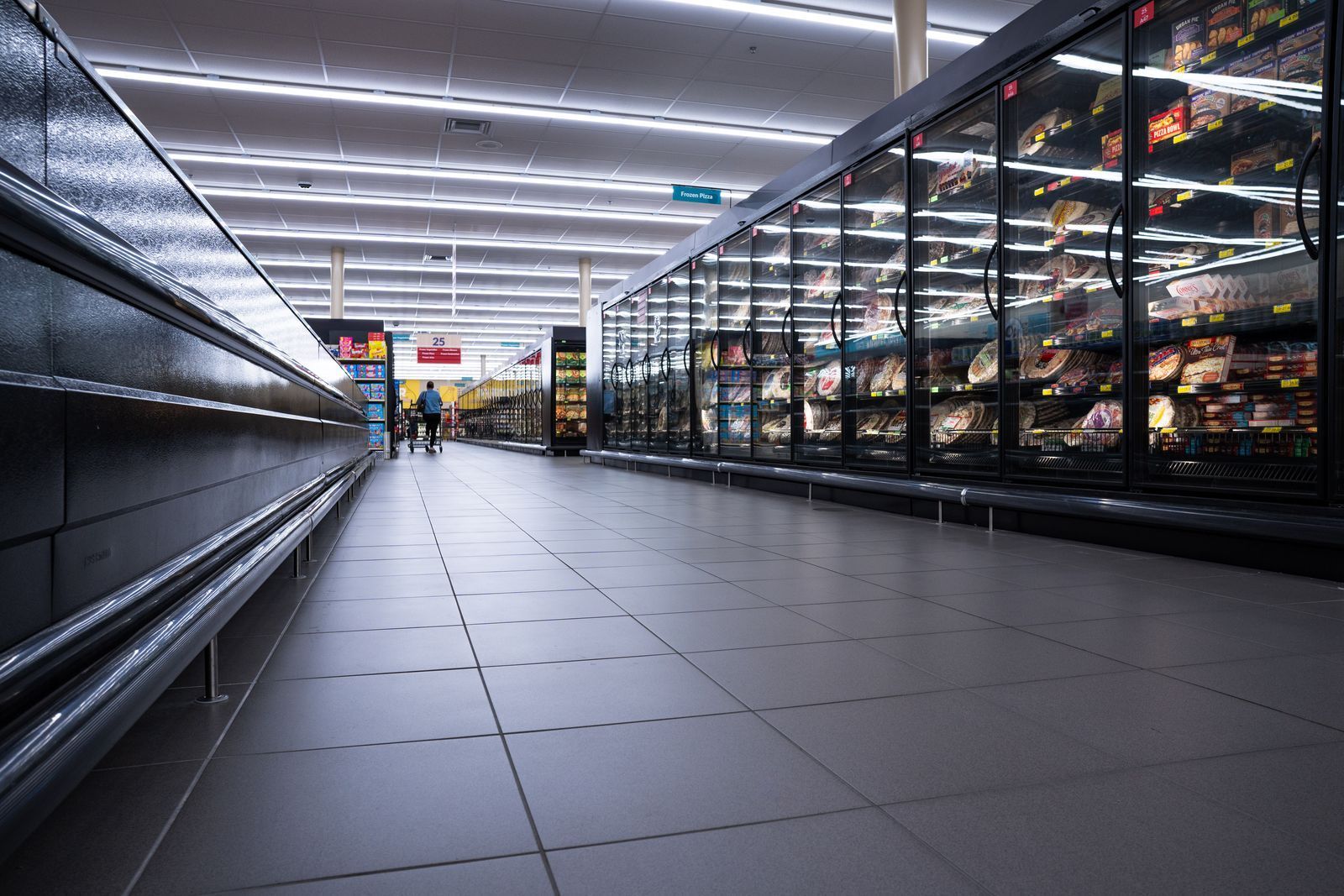
Fully vitrified tiles offer dense, low-porosity surfaces that help resist staining and limit water penetration. Ideal for high-traffic, hygiene-sensitive spaces, they maintain appearance even after repeated sanitation cycles. Their load-bearing strength handles carts, pallet jacks, and display equipment without cracking. In the event of localized damage, individual tiles can be replaced without removing the entire floor system, allowing targeted repairs and minimizing disruption to store operations. When properly installed, vitrified tiles provide a long-term solution that meets both operational and aesthetic needs across all grocery departments.
Why Fully Vitrified Ceramic Tiles Excel in Grocery Settings
Their performance comes from technical refinement rather than surface treatment, making them reliable under the most punishing conditions.
Chemical Resistance
Fully vitrified tiles are fired at high temperatures, creating a dense, low-absorption structure that resists acids, alkalis, and aggressive cleaners. This makes them ideal for areas where food spills, cleaning agents, or sanitation
chemicals are routine. Unlike coatings that break down over time, the tile’s resistance is inherent to its body, helping preserve both appearance and performance without recurring treatments.
Slip Resistance
Slip-and-fall incidents remain a major concern in grocery environments. Fully vitrified tiles can be manufactured with a textured surface that improves traction without compromising cleanability. These surfaces are designed to provide
slip resistance when properly selected, installed, and maintained for the intended conditions. Unlike temporary coatings, this texture is baked in and doesn’t wear away under heavy use.
Hygiene
Hygiene is a constant focus in grocery store operations. Fully vitrified tiles offer ultra-low water absorption, which helps reduce conditions that can contribute to microbial buildup. Their dense structures support hygienic surfaces when properly maintained, even after repeated exposure to moisture or organic matter. This makes them particularly suited for meat counters, seafood areas, and produce prep zones, where sanitation standards are high.
Tailored Solutions from Argelith
Large Format Tiles with Industrial Thickness
Large-format tiles, such as 12" x 12" or 16" x 16", can reduce the number of grout joints, creating a cleaner appearance and simplifying maintenance in high-traffic grocery environments.
In grocery store applications, however, tile thickness plays an equally important role. Thicker tiles, such as 5/8" industrial formats, provide the strength needed to withstand continuous cart traffic, pallet jacks, and point loads from shelving and equipment.
This combination of larger format and industrial thickness allows the flooring system to maintain both visual consistency in customer-facing areas and long-term durability in demanding operational zones.
Cove Base Tiles
Cove base tiles form a curved transition between floor and wall, eliminating sharp corners where debris and moisture typically accumulate. This design supports more effective sanitation, especially in areas prone to splashes or spills, such as delis and dishwashing zones. The continuous surface simplifies daily cleaning routines and helps facilities maintain strict hygiene standards without relying on caulk or separate trim materials.
Post-Installation Considerations
Even the best flooring materials rely on proper installation and care. Narrow grout joints, typically between 1/16 and 1/8 inch, are preferred in grocery environments to reduce water pooling and edge damage. Post-installation cleaning methods, such as removing grout haze, are typically performed by the installer according to manufacturer guidelines. Over time, using auto-scrubbers equipped with the right pads maintains surface traction and appearance, especially in areas exposed to frequent traffic and organic debris.
Case Study Example
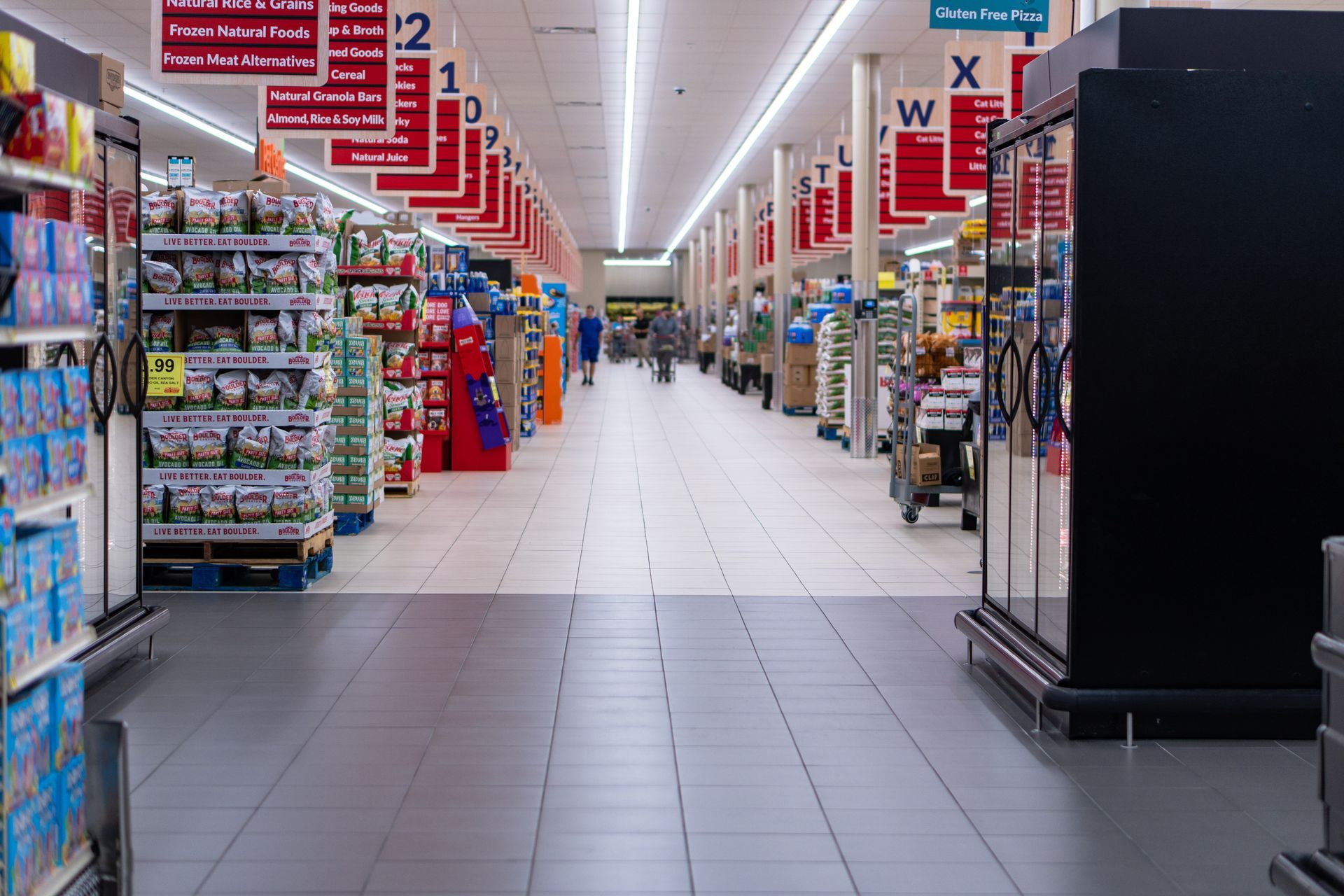
See how a Midwest grocery retailer achieved long-term durability, safety, and consistent performance under heavy daily traffic.
Making a Long-Term Investment
Selecting the right flooring for a grocery environment goes beyond the immediate cost. A high‑performance system withstands heavy traffic, sanitation regimes, and display equipment movement. Over time, it reduces downtime, maintenance, and replacement cycles. That means upfront
quality pays back through fewer interruptions and less aesthetic wear. When floor performance aligns with operations, the facility supports both efficiency and appearance in
industrial and
retail settings alike. Unlike many flooring systems that require periodic replacement or refinishing, ceramic tile flooring can remain in service for decades when properly installed and maintained.
If you're planning for performance that lasts, talk to the team that builds flooring around real-world conditions rather than assumptions.
Contact Argelith to explore engineered solutions designed for how your store really works.