Industrial Flooring for Hygienic and Washdown Production Environments
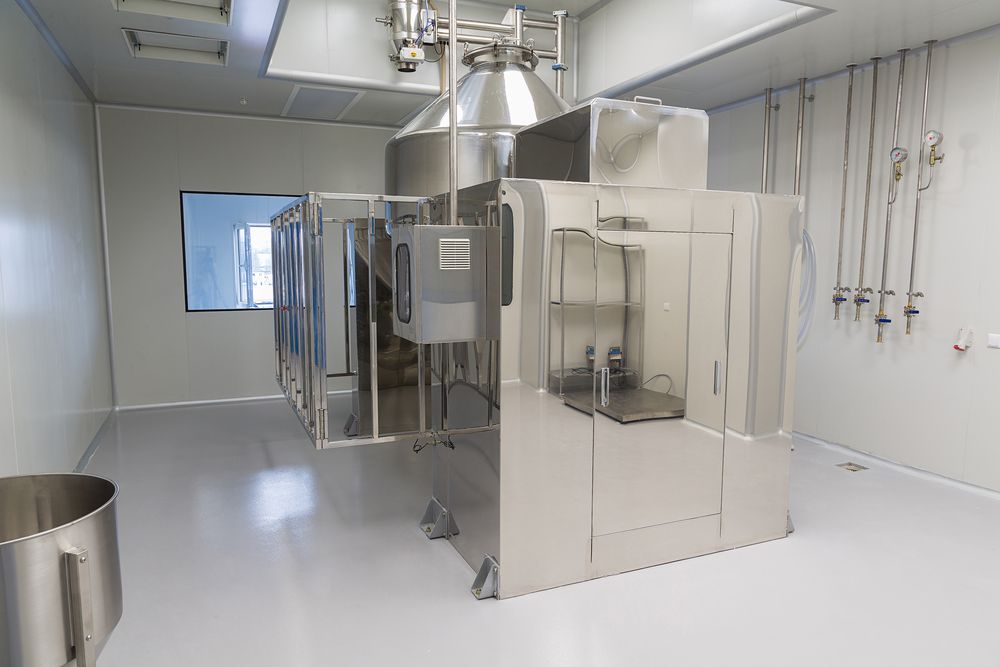
Cleanliness in production spaces often focuses on visible surfaces. But contamination risk frequently starts underfoot. Floors are exposed to constant traffic, repeated washdowns, and residue that can build up in overlooked areas. Thermal stress, harsh chemicals, and wheeled equipment add to the challenge. Even the best equipment and protocols struggle against poor flooring decisions. That’s why compliance in industrial hygiene starts where people walk, carts roll, and processes never pause.
Defining Hygienic Production Standards for Industrial Use
Hygienic production standards extend beyond controlled laboratory environments. In industrial environments like food, beverage, and chemical production, the standards focus on hygiene, durability, and contamination control under harsh conditions. Floors are a central part of that equation. They must resist abrasion, moisture, and repeated exposure to aggressive cleaning agents.
Surfaces that absorb liquids or break down over time pose risks to both compliance and product integrity. That’s why
chemical-resistant tile flooring is frequently specified in regulated zones. It resists corrosion, holds up to sanitation routines, and helps reduce conditions that allow microbial growth.
For a deeper look at compliance in demanding production spaces, the
chemical-resistant flooring guide outlines key considerations for choosing the right surface in FDA- and USDA-regulated operations.
Flooring’s Role in Compliance and Contamination Control
In regulated production spaces, compliance often starts at floor level. Foot traffic, mobile equipment, and frequent washdowns place constant pressure on surface materials. If a floor becomes slippery or begins to degrade, it puts both hygiene and worker safety at risk. That’s why flooring systems must maintain integrity and traction over time.
Anti-slip tile flooring plays a key role in minimizing incidents without compromising cleanability. Its textured surface reduces fall risk, even in wet environments, while remaining easy to sanitize. This balance is especially important in areas that require both safety and cleanliness under strict oversight.
For a closer look at how flooring affects workplace safety, the
slip-resistant flooring guide outlines materials and practices that help reduce accidents.
Challenges in Washdown and Hygienic Environments
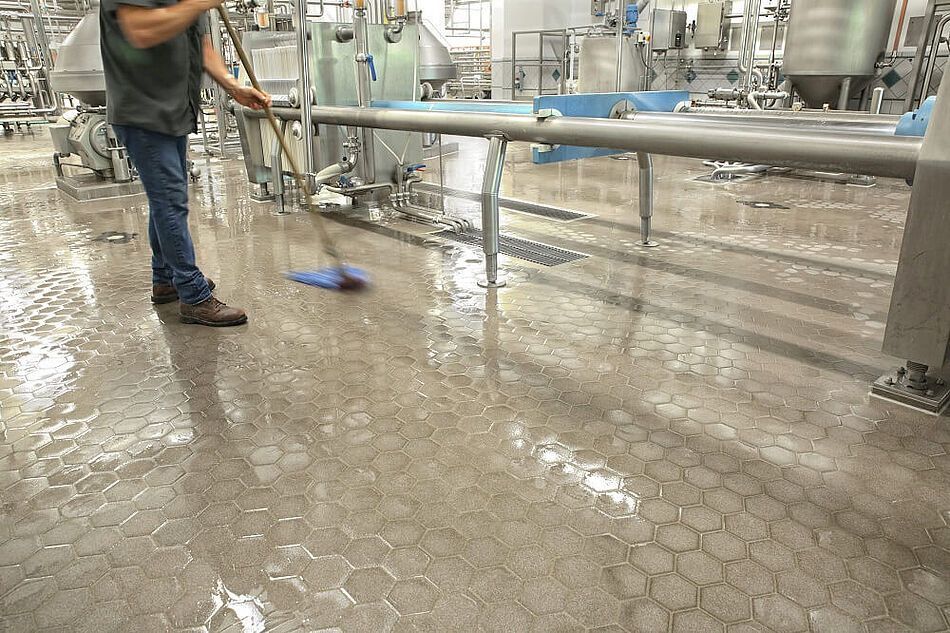
Routine washdowns are non-negotiable in food and beverage processing, but they also introduce stress that many floors can’t handle. Constant exposure to hot water, caustic chemicals, and high-pressure cleaning systems can cause premature breakdown if the surface isn’t built for it. That’s where water-resistant tile flooring and dense, vitrified industrial tiles play a key role.
Common challenges include:
- Thermal shock from rapid temperature changes
- Moisture absorption that leads to microbial growth
- Grout failure in wet or caustic conditions
- Slippery surfaces after repeated sanitation cycles
- Erosion from heavy water and chemical use
Materials that resist these stressors help maintain a sanitary, compliant facility under demanding conditions.
Engineered Flooring Solutions from Argelith
Argelith tiles are designed for industrial settings where hygiene, durability, and overall sanitation strategy must all be addressed at once. Their fully vitrified body resists moisture absorption, helping limit conditions that can contribute to bacterial growth while withstanding aggressive washdowns. The surface texture supports slip resistance without sacrificing cleanability, even under heavy use. In environments where aggressive cleaning is routine, the material’s density helps resist cracking, pitting, and surface deterioration over time.
These characteristics make fully vitrified ceramic tiles a reliable flooring solution for food and beverage processing zones, commercial washdown areas, and other spaces where flooring performance has regulatory implications. Their consistent quality and long lifecycle help facilities meet hygiene requirements while reducing the need for frequent repairs or replacements. This contributes to uptime for facilities operating around the clock.
Fully vitrified ceramic tiles have an extremely low water absorption rate, typically below 0.5%. This dense structure helps limit moisture penetration, supports hygienic cleaning routines, and contributes to long-term durability in washdown environments.
Design Features that Support Compliance
Compliance begins with surface selection but also relies on how the floor system is designed and detailed. Floor systems must account for joints, transitions, and slope. Each of these features can either help or hinder hygienic performance. Narrow grout lines reduce water retention and minimize cleaning dead zones. Cove bases support wall-to-floor integration, helping prevent buildup in hard-to-reach corners. Sloped surfaces improve drainage and reduce standing water.
Selecting the
best grout for industrial floor tile plays a direct role in long-term performance. Epoxy grouts often outperform cementitious ones in wet, caustic, or regulated areas, resisting chemical damage and bacterial penetration.
Thoughtful design not only enhances compliance but also reduces the need for corrective maintenance after installation.
Flooring Considerations for CIP Areas
In many food and beverage facilities, Clean-in-Place (CIP) systems are used to sanitize processing equipment and surrounding production zones. These areas are frequently exposed to aggressive cleaning chemicals such as caustic and acidic solutions, along with elevated temperatures and repeated washdowns.
In particularly demanding CIP environments, specialized grout systems such as vinyl ester grouts may be specified due to their exceptional chemical resistance. Because of the higher viscosity of these grout materials, flooring layouts often use rectangular tile formats with slightly wider joints to allow proper grout placement. Installers may also use protective measures on the tile surface during grouting to prevent residue from bonding to the tile.
The specific grout selection and installation method should always be determined by the installer and grout manufacturer based on the chemical exposure and operating conditions of the facility.
Maintenance and Longevity in Regulated Environments
In production areas where downtime is costly and regulations are strict, flooring must remain reliable through years of use. Surfaces that deteriorate or stain easily can compromise hygiene protocols and force unplanned repairs. Argelith tiles are engineered to handle aggressive cleaning agents, thermal cycling, and rolling traffic without losing performance. Their dense, fully vitrified structure with extremely low water absorption helps support efficient routine sanitation.
Proper grout selection, slope design, and cleaning methods all play a role in long-term performance. In the event of localized damage, individual tiles can be replaced without removing the entire floor system, allowing targeted repairs and minimizing disruption to operations. Facilities that prioritize maintenance from the start benefit from improved reliability and stronger regulatory outcomes.
Longevity plays a direct role in supporting a facility’s compliance efforts and reducing the risk of unplanned downtime. When floors hold up over time, the rest of the system can do its job more effectively.
Flooring in Food, Beverage, and Dairy Production Facilities
Food and beverage processing facilities place unique demands on industrial flooring systems. Breweries, dairies, meat processing plants, and beverage bottling facilities often rely on frequent washdowns, aggressive sanitation chemicals, and heavy rolling loads from carts or forklifts. In many cases, Clean-in-Place (CIP) systems introduce additional chemical exposure from alkaline and acidic cleaning cycles.
Flooring in these environments must resist moisture absorption, thermal cycling, and chemical attack while maintaining slip resistance and cleanability. Fully vitrified ceramic tiles are often selected in these settings because their dense structure helps prevent liquid penetration and supports long-term performance under demanding sanitation routines.
Facilities operating under FDA or USDA oversight also require flooring systems that support hygienic design and allow effective drainage and cleaning.
Why Leading Facilities Choose Argelith
Facilities operating under strict hygiene and compliance standards don’t leave flooring decisions to chance. They rely on materials that have proven reliable in regulated, high-traffic environments. Our tiles are engineered for the demands of food production, beverage processing, and sanitation-heavy operations. Their performance under constant cleaning, heat, and mechanical stress makes them a trusted choice for facility managers focused on long-term outcomes.
Consistency, cleanability, and durability all contribute to cleaner operations and smoother inspections. Choosing the right flooring supports facility hygiene, safety protocols, and reliable production uptime.
To learn how Argelith flooring aligns with your compliance and facility goals,
contact us for product recommendations tailored to your environment.