Why Impact Resistance Matters in Industrial Flooring (and How to Choose the Right Tile)

Some floors handle foot traffic without issue. Others contend daily with dropped tools, pallet jacks, and machinery rolling across their surface. Materials that seem strong at first can show wear quickly in these settings. When flooring fails, the damage can slow production, pose safety risks, and lead to repeated repair costs.
Understanding Impact Resistance
Impact resistance refers to how well a flooring material absorbs sudden force without cracking, chipping, or deforming. In industrial settings, this quality directly affects longevity and performance. A high rating means the floor can handle accidental drops, heavy loads, and repeated stress from equipment movement. Materials like fully vitrified ceramic tiles feature dense, uniform strength throughout their body, helping prevent localized failures that compromise the surface and subfloor. This capability becomes especially important in facilities operating around the clock.
Industries That Demand High Impact Resistance
Automotive and Heavy Equipment Facilities
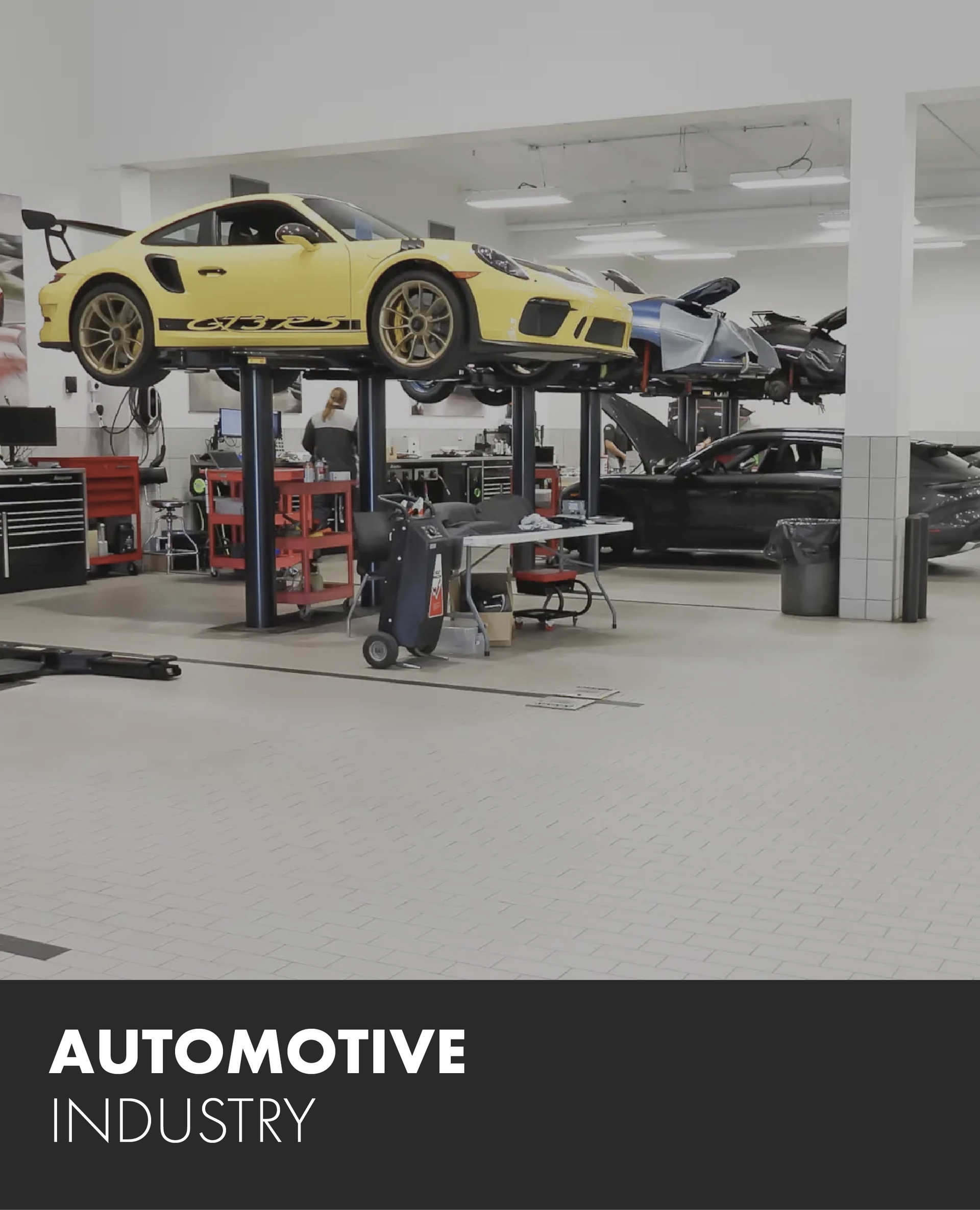
Learn MoreService bays, auto shops, production lines, and machine shops face continuous impact from dropped tools, rolling lifts, and heavy vehicle parts. Forklifts and hoists introduce concentrated pressure that can easily damage weak surfaces. A chipped or cracked floor in these environments is not just a visual concern. It can affect precision, limit safety, and slow productivity. Fully vitrified tiles resist surface damage and maintain load-bearing strength even under intense localized stress. That reliability strengthens both safety and operational efficiency in demanding industrial settings.
Food and Beverage Processing Plants
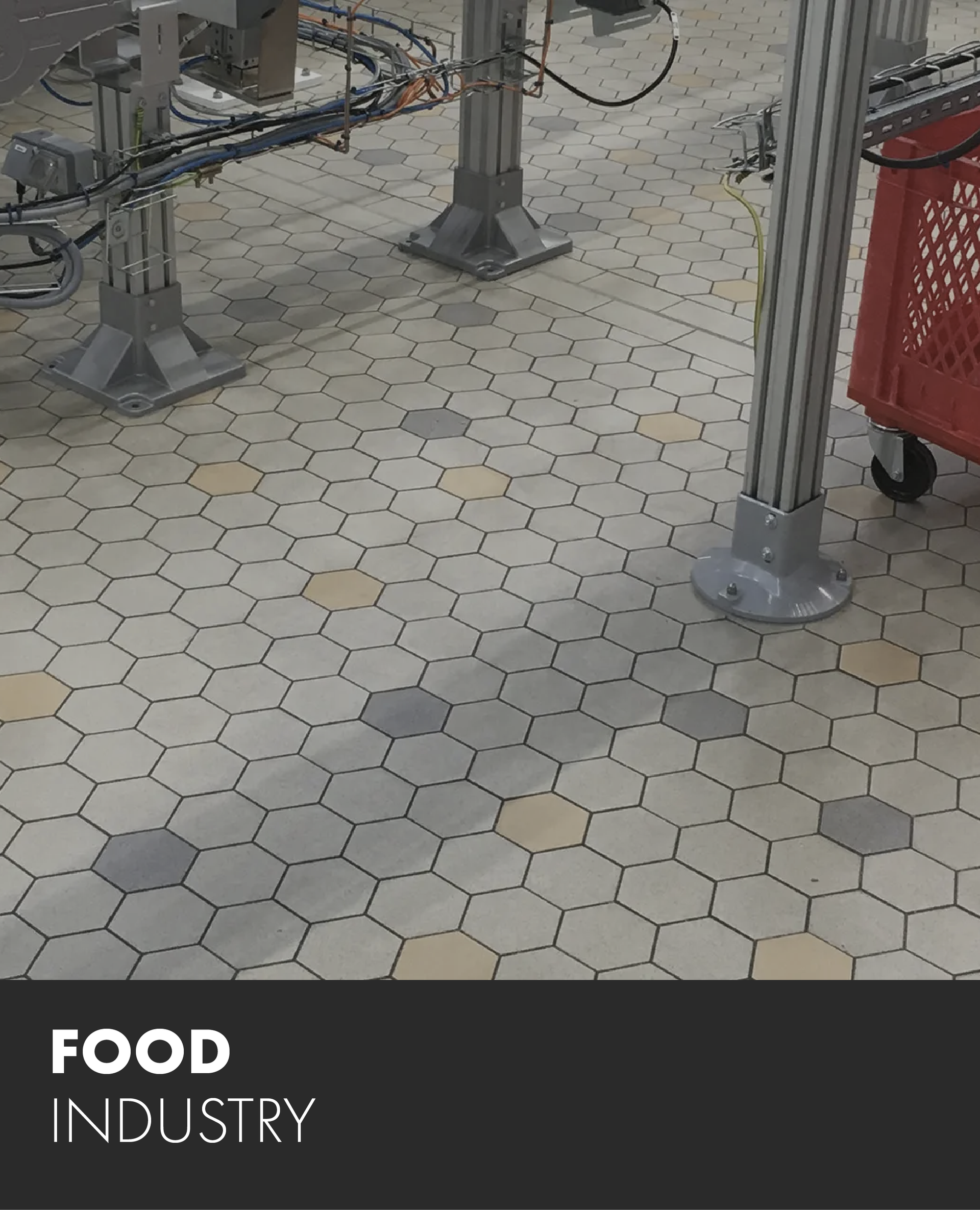
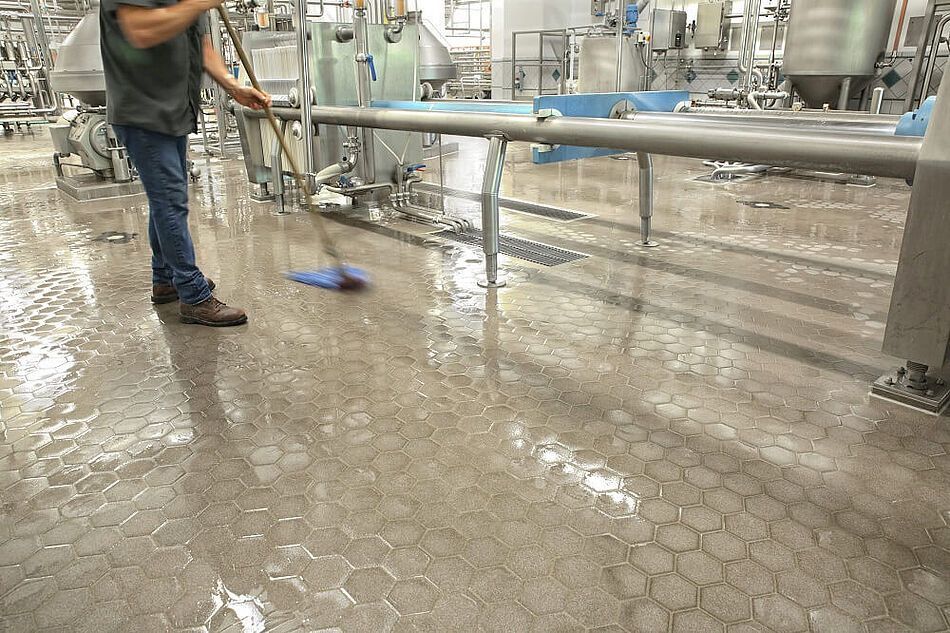
Learn MoreFrequent washdowns, falling containers, and movement of heavy equipment make impact resistance a necessity in food-grade environments. Floors in these spaces must maintain hygiene standards while withstanding physical stress. Damage to the surface can create areas where bacteria collect or cleaning becomes inconsistent. Fully vitrified tiles feature a dense, fully vitrified structure, with extremely low water absorption (typically well below 0.5%), that is designed to resist cracking under thermal shock and mechanical strain when properly specified and installed. This combination of durability and cleanability helps maintain compliance while minimizing interruptions.
Dairy Processing Facilities
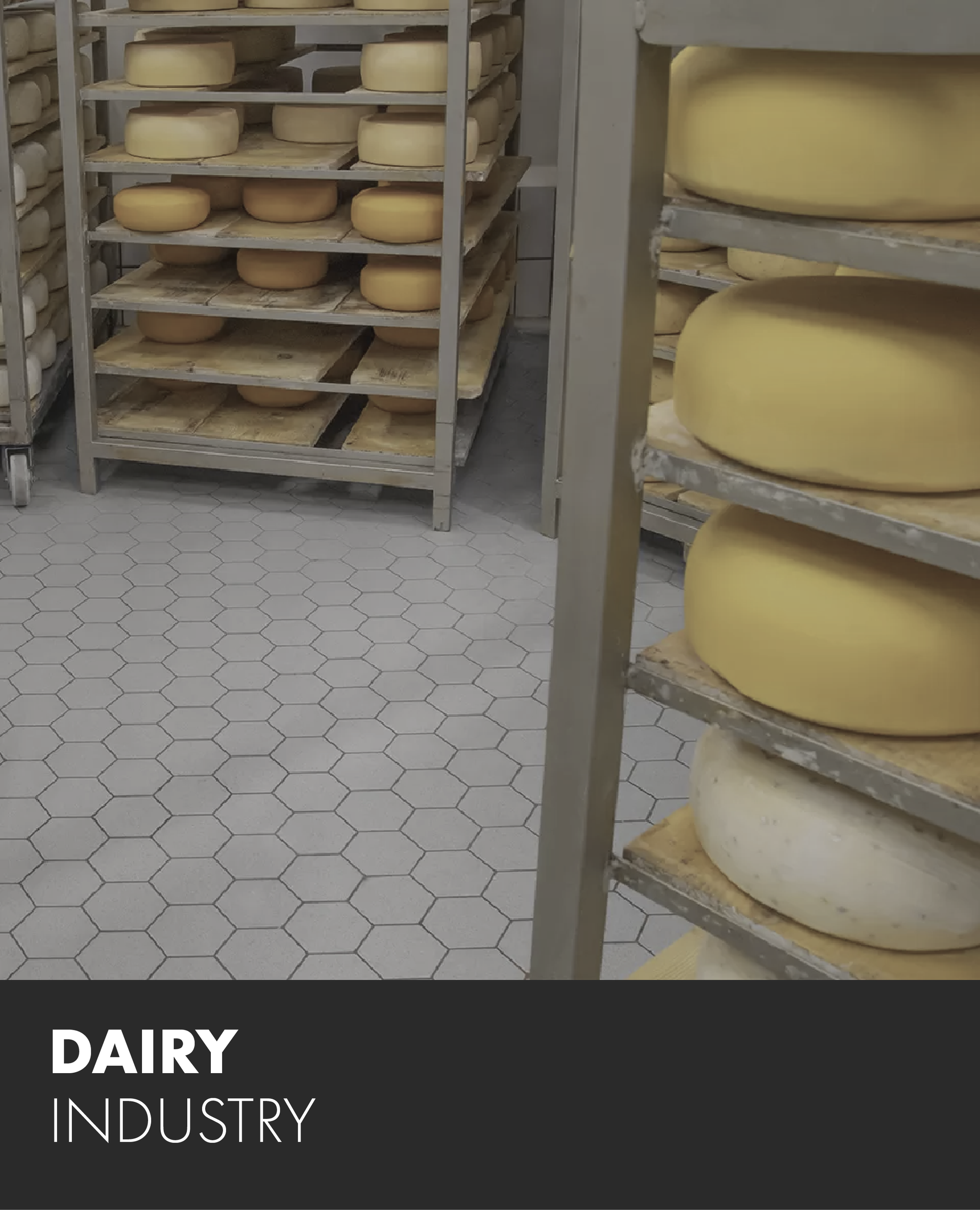
Learn MoreDairy processing environments involve frequent equipment movement, dropped tools, and heavy operational loads, often combined with wet conditions and aggressive cleaning cycles.
Pharmaceutical and Chemical Manufacturing
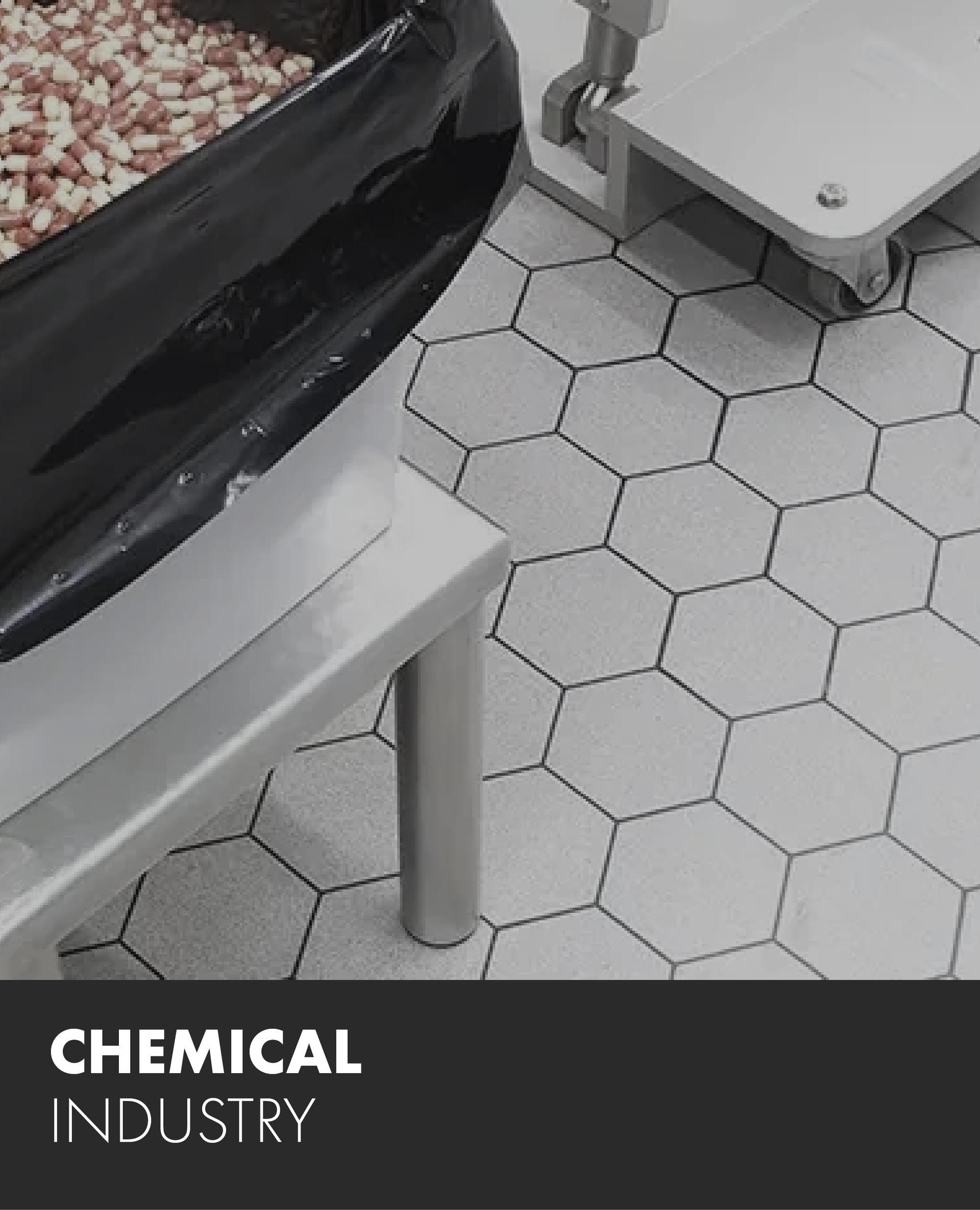
Learn MoreProduction environments involving corrosive agents or controlled conditions depend on flooring that holds up to both chemical exposure and physical impact. Dropped instruments, mobile lab equipment, and sudden mechanical force can compromise brittle or uneven materials. Once damaged, those surfaces may no longer meet regulatory requirements. Fully vitrified tiles combine high resistance with superior chemical durability, protecting the integrity of the workspace. This performance supports cleanroom standards and operational consistency in precision-driven facilities.
Commercial Kitchens and Cold Storage Areas
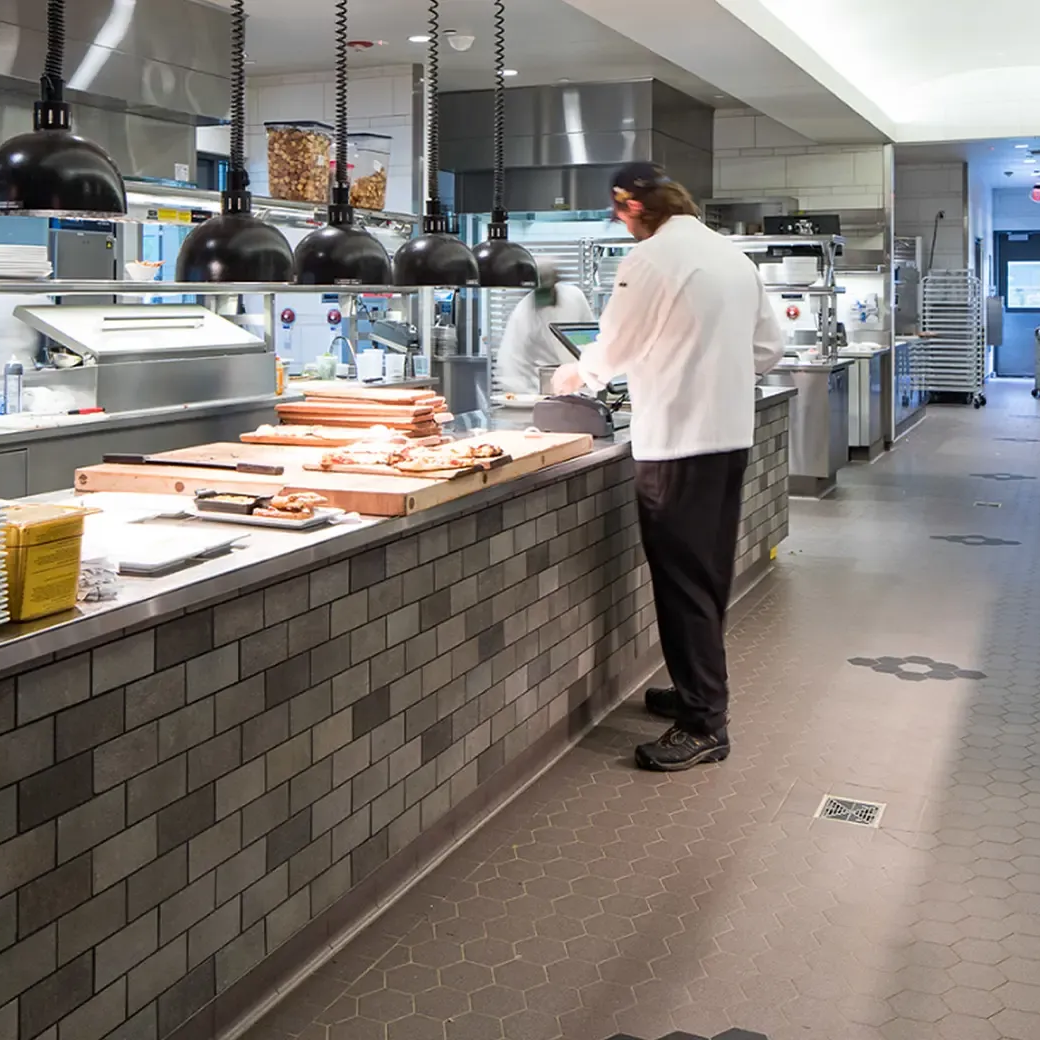
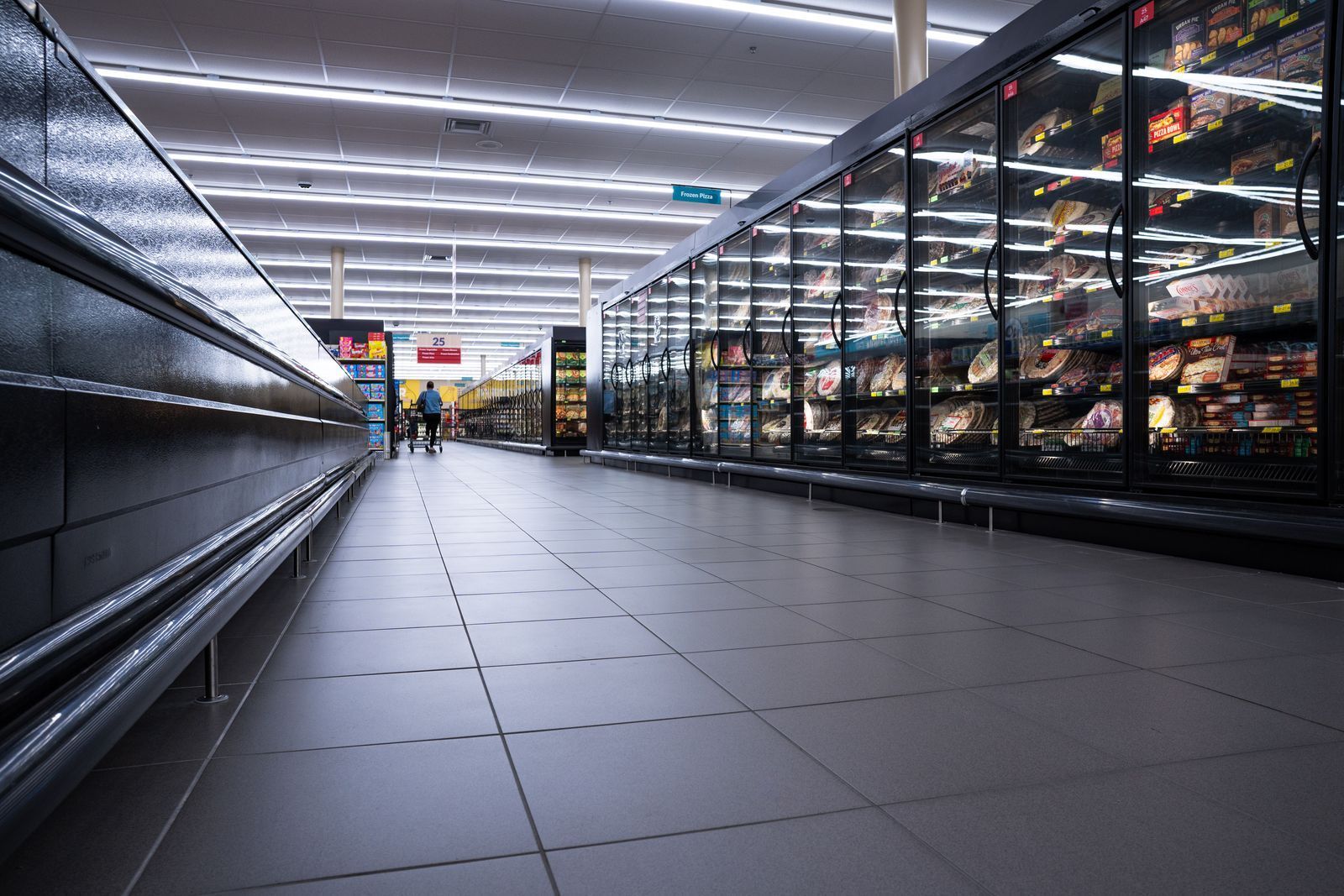
Learn MoreIn kitchens and cold storage, rapid temperature changes and frequent impact are part of daily operations. Heavy pans, crates, and containers fall, while foot traffic and equipment movement put constant pressure on the floor. A surface that cracks or chips can trap moisture, creating sanitation concerns and safety risks. Tiles designed for impact resistance retain their structure under thermal and mechanical stress. Their dense, fully vitrified structure helps reduce damage while promoting hygienic conditions in demanding food service environments.

Consequences of Low Impact Resistance
When flooring materials lack sufficient resistance, issues appear quickly. Damage is not limited to appearance. It can interfere with safety, efficiency, and budget. Even minor chips may expand under stress or cleaning, leading to larger failures across the surface.
Common issues include:
- Trip hazards caused by uneven or broken tiles
- Contamination from cracks that collect debris or moisture
- Equipment damage due to jolts or instability
- Increased maintenance or early replacement costs
Choosing impact-resistant flooring helps avoid these complications.
The Argelith Advantage in Impact Resistance
Argelith engineered tiles are made to withstand the pressures of industrial environments. Their fully vitrified body is pressed and fired for uniform density, creating a surface that resists cracking from sudden force. This strength is not just on the surface but carried throughout the tile. Combined with low porosity and fired-in surface finishes, our tiles support heavy impact without compromising hygiene or appearance. In the event of localized damage, individual tiles can be replaced without removing the entire floor system, helping minimize downtime and repair costs. Facilities that operate under intense mechanical stress benefit from flooring that is built to hold its shape over time.
Selecting the Right Tile for Impact-Prone Zones
Material strength matters, but installation choices and tile specifications also shape long-term performance in areas exposed to repeated impact. In many industrial environments, selecting appropriate slip resistance levels (such as R11 or R12) helps balance traction and cleanability alongside mechanical durability.
Tile Format and Thickness Considerations
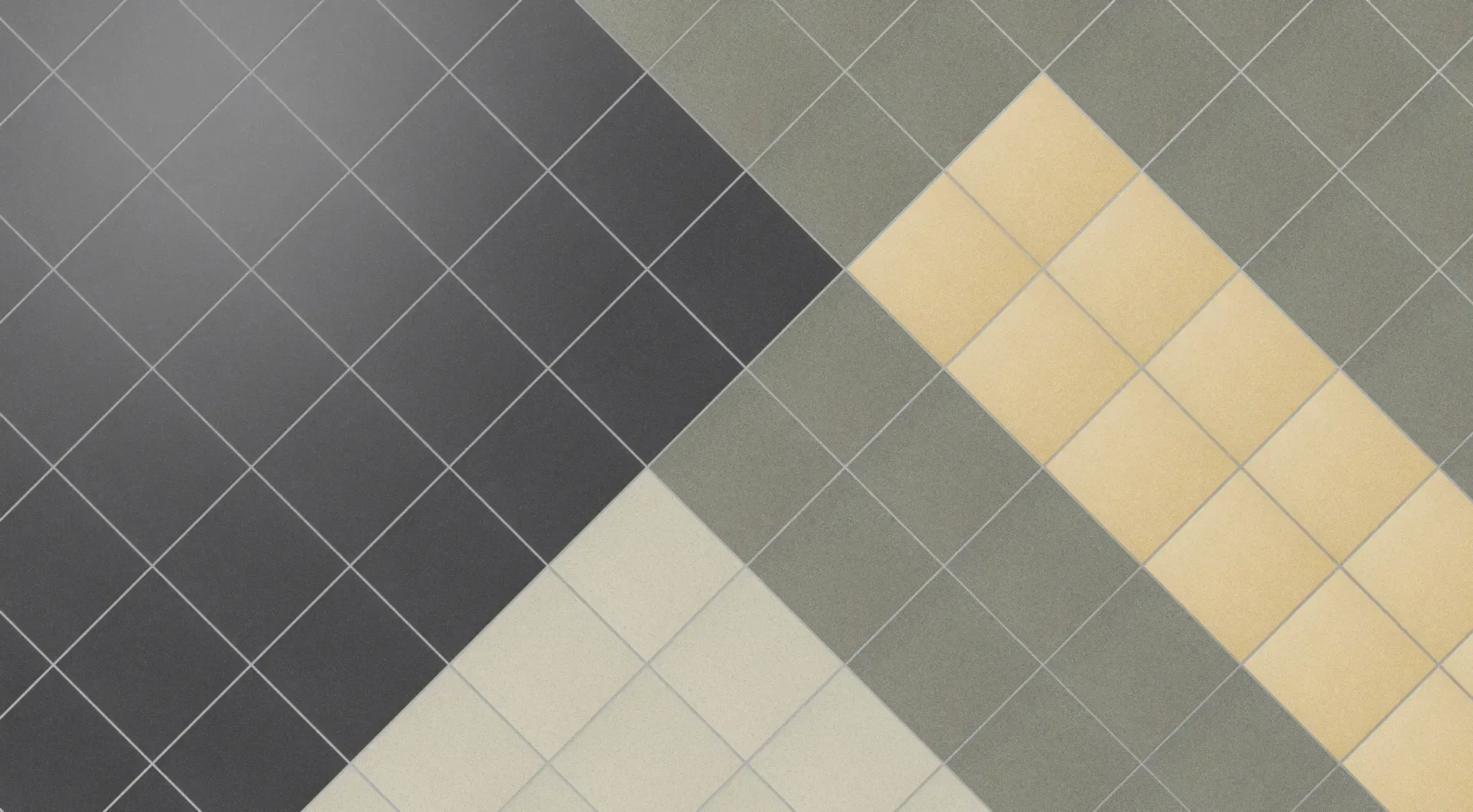
The size and thickness of a tile influence how well it manages stress. Larger formats reduce grout joints, creating a more continuous surface that helps distribute rolling loads from carts, forklifts, and pallet jacks. However, larger tiles can be more susceptible to cracking under high point impacts if substrate preparation and installation are not properly executed.
Thicker tiles provide greater resistance to both impact and concentrated loads, making them better suited for demanding industrial environments.
We supply formats tailored for a range of
industrial floor tiles, making it easier to select for both durability and layout needs.
Grout Joints and Substrate Preparation
Grout joints and subfloor conditions both contribute to how well a tile system performs under pressure. Small mistakes in these areas often lead to long-term issues. To enhance performance:
- Use narrow grout joints (1/16 to 1/8 inch) to reduce water intrusion and weak points
- Confirm the substrate is level, rigid, and free of voids
- Match grout materials to the specific environment
These best practices are key when
choosing industrial grout that must hold up under demanding conditions.
Installation Techniques That Maximize Performance
Installation practices should follow applicable industry standards and be determined by qualified installers based on project-specific conditions. Installation methods play a key role in how the floor performs under real-world conditions. Key approaches may include:
- Thinset and vibration installation each have their place depending on project conditions, substrate design, and performance requirements.
- Epoxy grout in chemical or wet environments for added strength
- Experienced installers who understand the needs of industrial facilities
Combining appropriate methods and materials strengthens the entire system and reduces the risk of premature damage. In high-impact environments, flooring is not just a surface. It is part of the operation.
Key Takeaways
Impact-resistant flooring protects more than just the surface. It supports safety, operational uptime, and sanitation in demanding environments. Selecting the appropriate tile, layout, and installation method creates a surface built for real use.
For tailored recommendations on high-impact flooring,
contact us to speak with an Argelith specialist.