Vitrified Tiles: The Most Durable Industrial Flooring Solution for Demanding Environments
In high-traffic industrial settings, the floor works as hard as the equipment. Forklifts roll through nonstop shifts along with pallet jacks and continuous rolling loads, liquids spill, and heavy machinery sends constant vibration through the surface. Over time, this wear adds up. The right flooring choice plays a direct role in safety, cleanliness, and operational efficiency. It supports productivity and holds up under the harshest working conditions. While different flooring systems may be suitable for certain applications, demanding industrial environments often require materials designed for long-term structural performance.
What Are Vitrified Tiles?
Vitrified tiles are ceramic tiles manufactured through a high-temperature process that fuses clay and minerals into a dense, fully vitrified structure. This process creates an extremely low water absorption rate (typically well below 0.5%, and often ≤0.1%), helping limit moisture penetration and conditions that can contribute to bacterial growth.
These tiles demonstrate superior mechanical strength and resistance to abrasion. They hold up under heavy traffic, frequent impact, and chemical exposure. Their dense, fully vitrified surface with extremely low water absorption supports hygienic cleaning protocols when properly maintained and simplifies cleaning routines in facilities that operate around the clock.
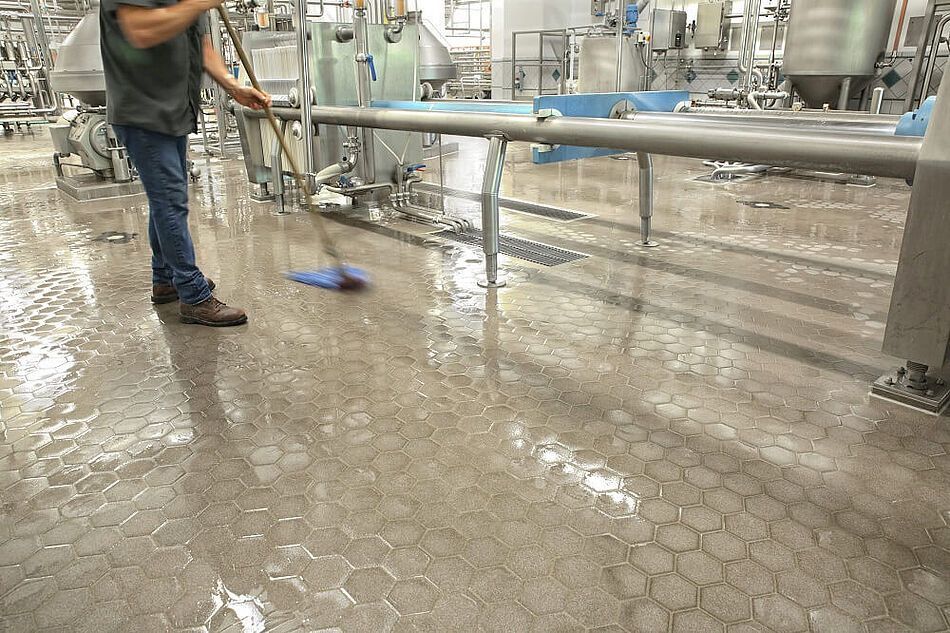
Vitrified tiles perform consistently across a range of settings, including food production areas, vehicle maintenance shops,
retail flooring, and other heavy-use environments. Their uniformity, strength, and surface integrity make them a reliable long-term solution for
industrial floors that need to stay strong under pressure.
Core Advantages of Vitrified Tiles
Industrial floors face stress from traffic, weight, moisture, and chemicals. Vitrified tiles are engineered to perform under these conditions without sacrificing appearance or function. Their performance is measurable, repeatable, and part of the tile’s composition, not added as a surface treatment or temporary layer. Unlike coating-based systems, performance is built into the material itself rather than applied on top. This makes them particularly reliable in facilities where downtime is costly, and performance expectations remain high. In the event of localized damage, individual tiles can be replaced without removing the entire floor system, helping minimize downtime and repair costs.
Key advantages include:
Fully vitrified structure:
Dense with extremely low water absorption, helping reduce absorption and conditions that can lead to contamination.
High load capacity:
Withstands the weight of forklifts, equipment, and constant traffic from carts and pallet jacks.
Chemical resistance:
Suitable for exposure to acids, alkalis, oils, and sanitizers.
Slip-resistant finishes:
Designed to meet safety standards in wet or greasy environments.
Long service life:
Minimal wear and low maintenance requirements over time.
Thermal shock resistance:
Holds up to washdowns and temperature swings.
Tailored for Tough Industries
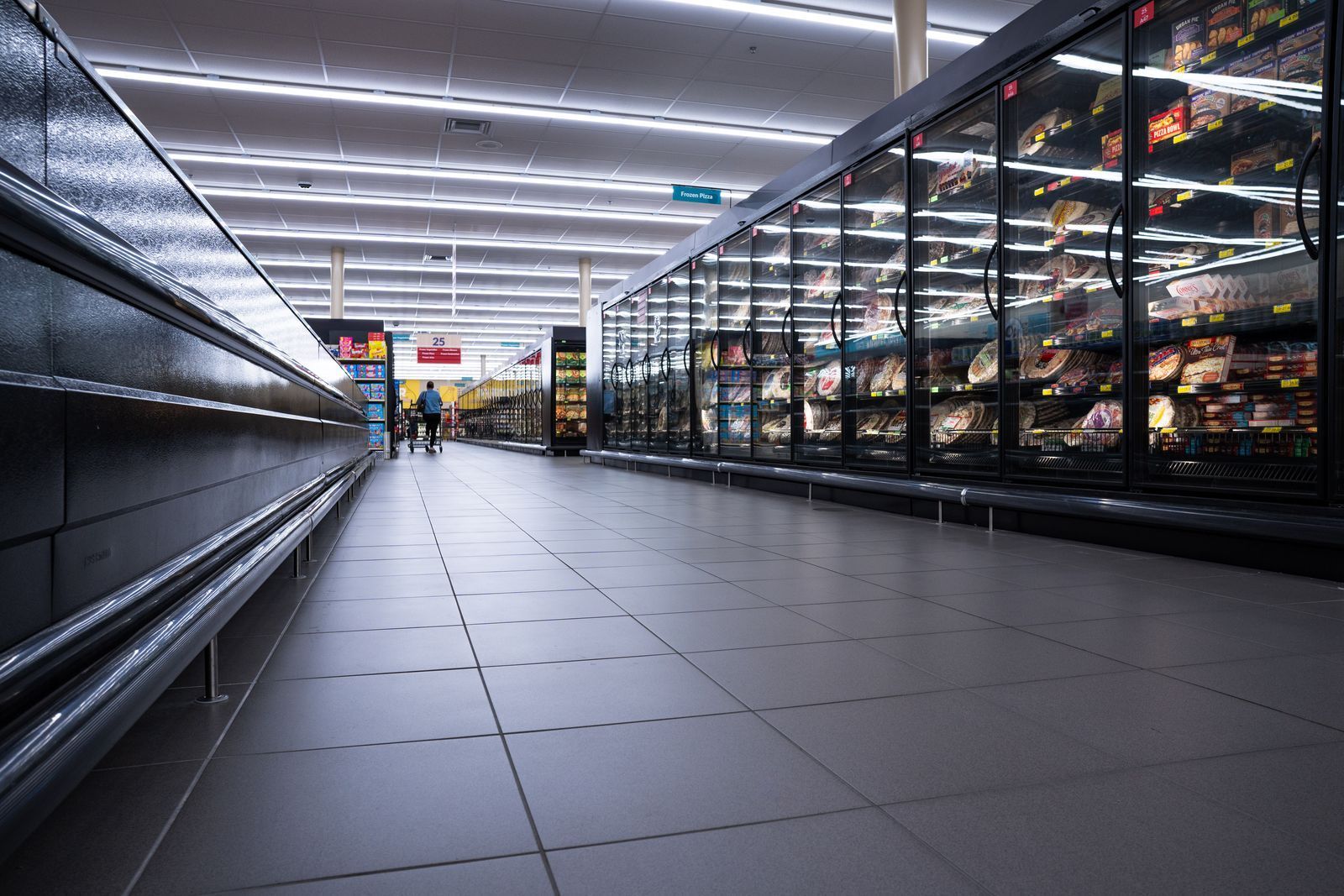
Every industry has its own pressures. In food and beverage production, floors must resist acids, sugars, moisture, and aggressive cleaning routines. Automotive shops demand surfaces that hold up under heavy tools, oil exposure, and constant movement across work bays. In retail environments such as grocery stores, vitrified tiles also support continuous cart traffic and frequent cleaning cycles while maintaining a consistent appearance.
Vitrified tiles meet these varied needs through structural integrity, chemical resilience, and non-slip options that adapt to specific operational zones. Their dense body and uniform finish maintain hygiene in
dairies,
breweries, and clean processing spaces, while their load-bearing capacity supports pallet racks, machinery, and high-traffic pathways.
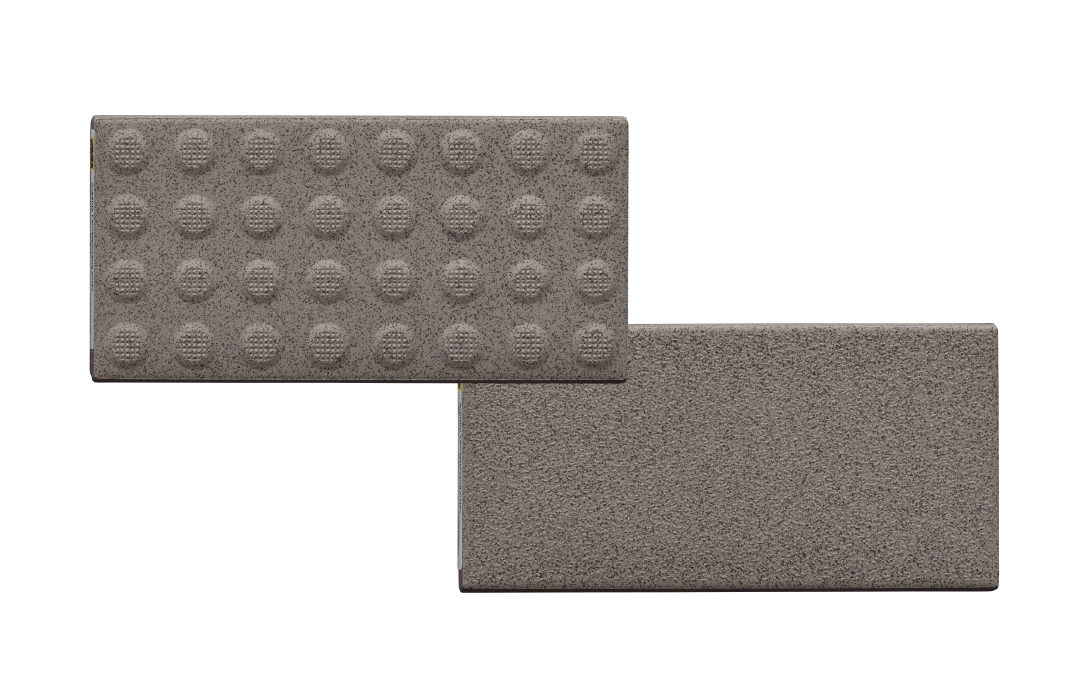
Argelith’s tile formats and surface textures can be matched to the wear patterns, safety requirements, and cleaning protocols of each facility. The result is an engineered flooring solution that performs reliably year after year, even in the most challenging industrial environments.
Why Argelith Leads in Vitrified Tile Solutions
Our team has spent decades refining tile solutions specifically for industrial use. Every tile is engineered to withstand harsh conditions while maintaining its surface integrity and appearance. The company’s fully vitrified tiles are manufactured to meet strict tolerances, ensuring uniformity and performance across large-scale installations.
We provide a wide range of formats, surface textures, and edge profiles to match the specific needs of food-safe environments, wet zones, and high-traffic drive paths. This flexibility allows project teams to specify flooring that supports both operational goals and regulatory requirements without compromise.
Their
commitment to quality is backed by German engineering and supported by a U.S.-based team that understands local compliance standards and construction timelines. This combination of technical precision, application knowledge, and responsive service makes Argelith a preferred choice for facilities where flooring is a strategic asset.
Installation and Post-Installation Best Practices
Even the most durable tile relies on proper installation and maintenance to perform at its best. Installation practices should follow applicable industry standards and be determined by qualified installers based on project-specific conditions.
Key practices include:
Thinset or vibration method:
Selection may depend on substrate conditions and performance requirements.
Auto-scrubber maintenance:
Use pads appropriate to soil levels; aggressive pads are acceptable when needed.
Narrow grout joints (1/16"–1/8"):
Prevents water pooling and chipped edges in kitchens and industrial zones.
Post-installation cleaning:
Performed by the installer in accordance with manufacturer guidelines to ensure a clean, uniform surface.
Epoxy grout for aggressive environments:
Preferred where chemical resistance or hygiene is a priority, especially in food or pharmaceutical settings.
Proper practices support not just the floor’s appearance, but also safety and sanitation standards over time.
Sustainability and Long-Term Value
Sustainability in industrial flooring starts with longevity. Our vitrified tiles are designed to last for decades without coatings, sealants, or frequent replacements. Their dense structure resists wear and chemical breakdown, which reduces the need for repairs and conserves materials over time. Unlike coating systems that require periodic resurfacing, vitrified tile flooring can remain in service for decades when properly installed and maintained.
Because they maintain their surface integrity through heavy use, they support hygienic operations without added finishes or harsh chemicals. This makes cleaning more efficient while helping facilities meet sanitation standards in a consistent, low-impact way.
Our U.S.-based warehousing shortens delivery times and cuts shipping distances, adding logistical efficiency to environmental responsibility. Argelith tiles are built for lasting performance across manufacturing, installation, and daily operations, supporting both operational efficiency and environmental responsibility.
Choosing Argelith for Your Industrial Flooring
Choosing a flooring partner means looking for long-term reliability, technical expertise, and a product range that supports both facility requirements and installer coordination. Our team delivers on all fronts. Each tile is engineered for demanding environments and supported by a team that understands industrial operations and the realities of high-traffic, safety-sensitive spaces.
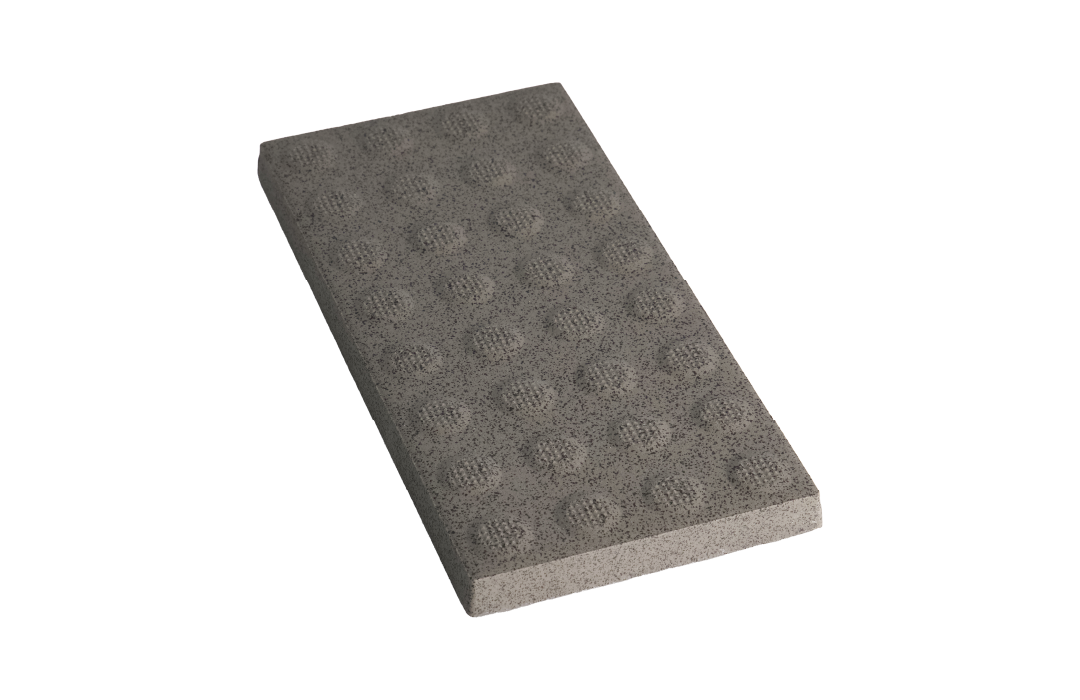
Their range of formats and slip-resistant options gives architects and contractors the flexibility to meet performance and compliance goals without compromise. Logistics are streamlined through U.S. warehousing, and design continuity is maintained across large-scale projects, minimizing delays and simplifying sourcing.
Our team delivers a flooring solution that performs consistently through specification, installation, and ongoing daily use. This consistency helps reduce maintenance cycles, improve worker safety, and maintain operational uptime over the long term.
Key Takeaways
Vitrified tiles offer unmatched durability, hygiene, and performance for industrial settings where flooring is a long-term investment.
Argelith pairs this performance with technical precision and proven reliability.
Request a consultation to explore tailored tile solutions for your facility.