Understanding Floor Coving in Industrial Spaces
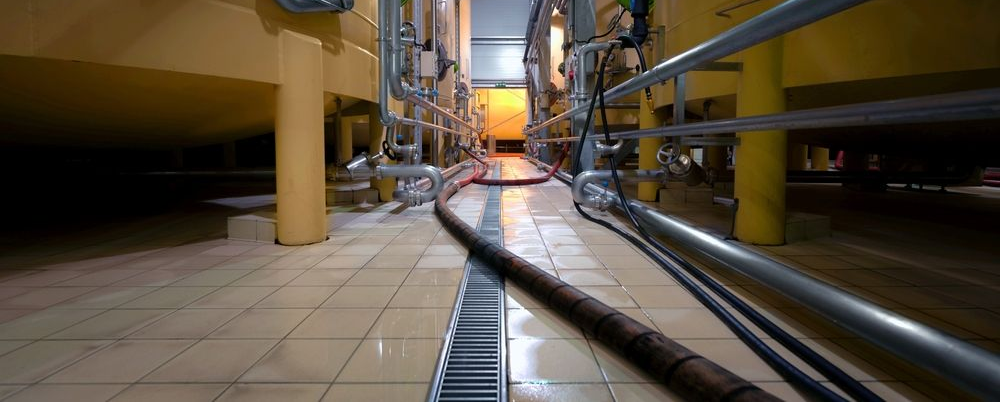
In spaces built for movement and machinery, cleanliness can be a constant challenge. Walls meet floors at a sharp angle, where debris collects and mop heads fail to reach. Over time, these gaps become hard to clean and harder to ignore. That edge, often overlooked, can affect sanitation, durability, and compliance. Thoughtful architectural transitions like floor coving help close the gap between form and function, reinforcing hygiene while supporting easier, more consistent maintenance over time.
What is Floor Coving?
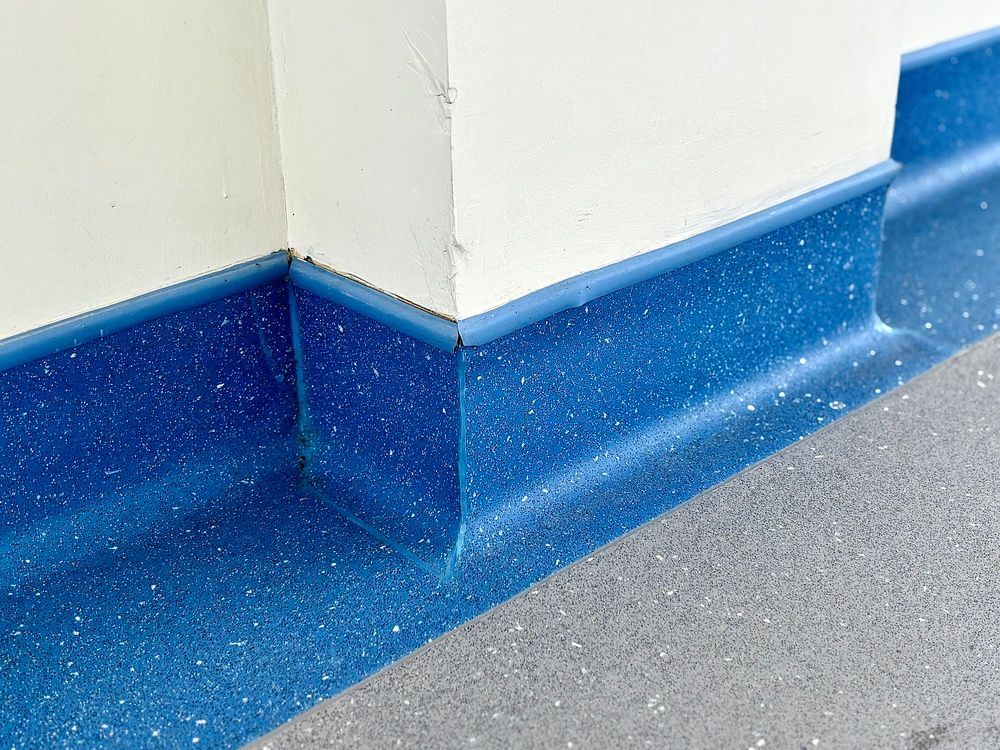
Floor coving is a curved or angled transition installed where the floor meets the wall. Instead of a sharp 90-degree corner, coving creates a smooth, continuous surface that’s easier to clean and less prone to damage. In industrial environments, this subtle design element plays a functional role in maintaining hygiene and extending the life of both floor and wall finishes.
Coving is often made from the same material as the floor, such as ceramic tile, which helps maintain visual and structural continuity. It eliminates corners where grime, moisture, or chemicals can accumulate, reducing the risk of contamination or material breakdown.
This design also helps protect walls from impact or abrasion caused by carts, equipment, or foot traffic. Though it may seem like a minor detail, this small transition contributes to daily operations in practical, measurable ways.
Why Coving Matters in Industrial Environments
Industrial spaces experience constant motion, repeated cleaning, and exposure to moisture, chemicals, or heavy equipment. These factors make floor-to-wall transitions vulnerable to wear and contamination. Without proper coving, floor-to-wall corners can become areas where debris and residues accumulate and are more difficult to clean effectively. Over time, this impacts hygiene, safety, and regulatory compliance.
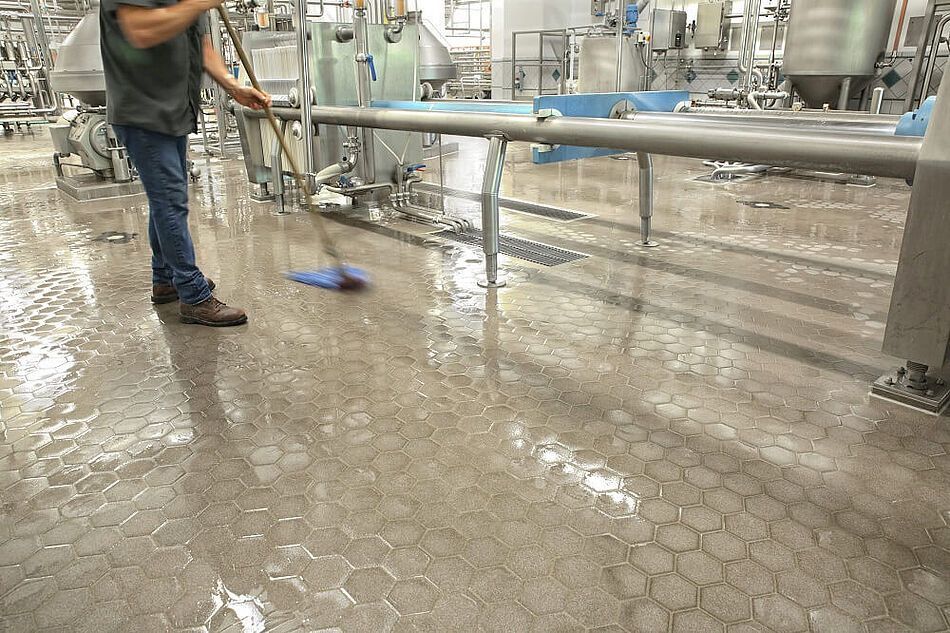
This design creates a continuous surface that supports more effective cleaning and sanitation. It removes right angles where dirt and liquid tend to collect. This aligns with sanitation protocols in industries where cleanliness is a daily priority. This type of transition is commonly used in facilities designed to support hygienic design principles and cleaning requirements. In facilities using pressure washing or steam cleaning, coving also helps reduce the risk of water intrusion behind the wall base in washdown environments.
Beyond hygiene, it reinforces wall edges against bumps and scrapes from carts or equipment. That added durability helps protect the space and reduces long-term maintenance needs.
Key Benefits of Tile-Based Coving
When this transition is constructed from ceramic tile, it combines hygiene advantages with the mechanical strength needed for industrial settings. Fully vitrified tile coving offers a surface with extremely low water absorption that resists impact, chemical exposure, and moisture intrusion. This durability makes it a smart match for operations that prioritize both cleanliness and longevity, especially in spaces where downtime is costly or cleaning routines are intensive.
Key benefits include:
- Seamless transitions that simplify cleaning and reduce hidden buildup
- Chemical resistance to withstand harsh cleaning agents and industrial substances
- Mechanical strength that safeguards wall bases from impact and abrasion
- Moisture control that limits seepage behind walls in washdown areas
- Consistent aesthetics that match floor and wall surfaces for a cohesive appearance
- Long service life that reduces maintenance frequency and repair costs
Tile-based coving performs under pressure while enhancing visual and operational continuity.
Industries Where Floor Coving is Essential
Floor coving plays a valuable role across industries where hygiene, durability, and efficiency must be maintained. In these environments, corners without protection often become weak points. They can harbor bacteria, collect debris, or wear down from constant impact. Coving contributes to the overall performance of industrial flooring in spaces where cleaning is frequent and equipment is constantly in motion.
Industries that rely on this feature include:
Food and beverage processing
where sanitation and washdown are routine
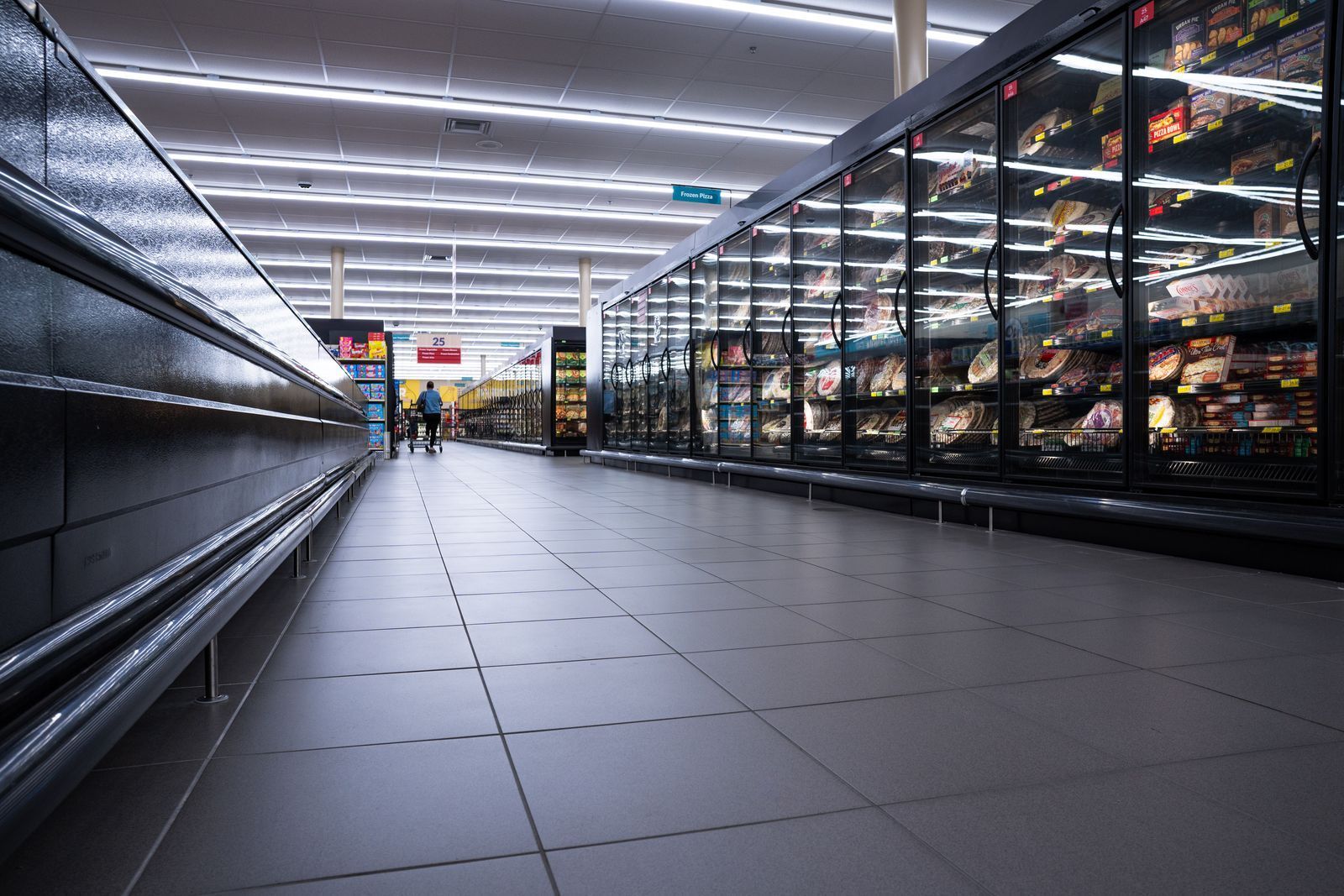
Cold storage facilities
where extreme temperature changes can strain joints
Commercial kitchens
which experience spills, heat, and constant movement
Automotive service and assembly
where tools and equipment can damage wall bases
Pharmaceutical manufacturing
where contamination risks must be tightly controlled
In each case, coving helps defend against damage while reinforcing sanitation protocols and structural longevity.
Argelith’s Coving Solutions
Argelith designs solutions that perform in high-demand environments. Our coving pieces are manufactured using the same fully vitrified material found in our industrial floor tile collection, offering a consistent look and the same high-performance characteristics across transitions. These units are precision-formed to create a smooth curve at the floor-to-wall junction, helping minimize buildup and resist impact.
We present coving in multiple colors and formats to match surrounding tiles and meet facility design requirements. These solutions are built to complement a range of
tile accessories, from corner pieces to stair treads, creating a cohesive system for industrial spaces. When combined with proper installation and cleaning protocols, Argelith coving contributes to a cleaner, more resilient floor and wall system that holds up under constant use.
Cove Base Formats and Installation Options
Argelith offers several cove base formats designed to coordinate with the thickness of the selected floor tile and the preferred installation method. All Argelith cove bases use the same 4" × 8" format but are produced in different thicknesses to suit various tile assemblies. The thinnest option, approximately 3/8 in., is typically installed vertically against the wall, functioning as a wall base with the floor tile terminating at the base and a movement joint placed at the floor-to-base intersection.
Argelith offers several cove base formats designed to coordinate with the thickness of the selected floor tile and the preferred installation method. All Argelith cove bases use the same 4" × 8" format but are produced in different thicknesses to suit various tile assemblies. The thinnest option, approximately 3/8 in., is typically installed vertically against the wall, functioning as a wall base with the floor tile terminating at the base and a movement joint placed at the floor-to-base intersection
For thicker floor tile installations, Argelith also offers 5/8 in. and 3/4 in. cove base pieces designed to be installed horizontally on the floor, with the curved cove transitioning upward to the wall. In this configuration, the movement joint is typically located at the wall interface, with wall tile installed above the cove base to complete the transition. One advantage of this approach is that the floor surface can remain continuous up to the wall, which helps avoid a movement joint in the floor area where water, debris, or cleaning residues may accumulate. This range of thickness options allows designers and installers to maintain consistent elevations and durable floor-to-wall transitions in demanding industrial environments.
Key Takeaways
This design feature plays a quiet but important role in industrial design. It simplifies cleaning, protects surfaces, and aligns with compliance in facilities that operate under pressure. When integrated into a well-planned tile system, coving helps create a safer, more efficient environment.
Our coving options are engineered to meet the same standards as the rest of our tile solutions. For facilities prioritizing hygiene, durability, and design continuity, this detail can deliver a measurable difference.
To learn more about selecting the right coving for your space,
contact us to speak with an Argelith specialist.