Top 5 Benefits of Fully Vitrified Tiles
Argelith •
September 5, 2025
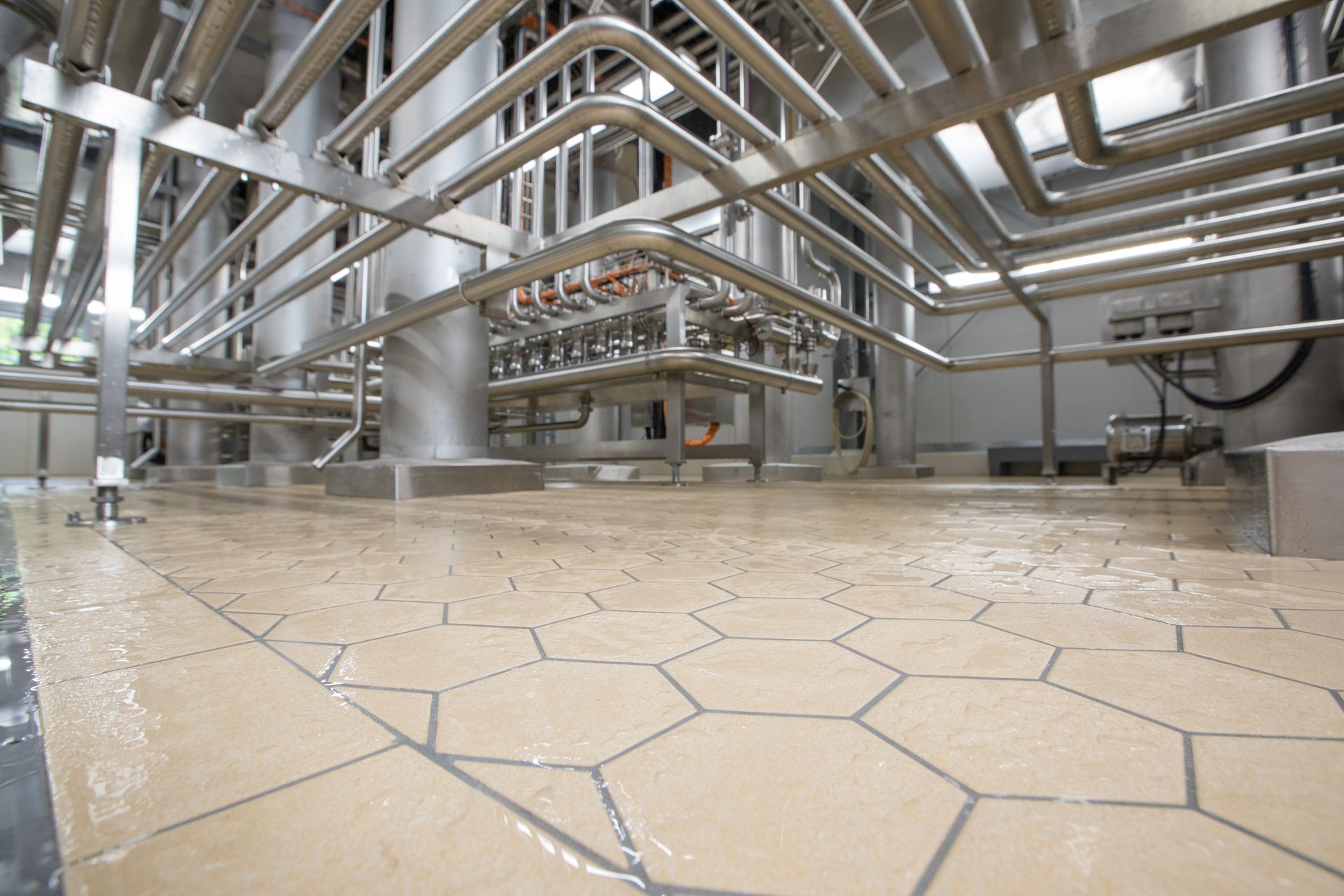
Industrial and commercial flooring must be strong enough to carry punishing loads and handle rigorous cleaning as part of a properly specified and installed flooring system. Fully vitrified tiles meet these requirements through a production process that compresses raw materials under high pressure and fires them at extreme temperatures. The result is a tile with a dense, high-strength body designed for demanding industrial use.
Industrial spaces such as automotive workshops, food processing plants, and warehouses rely on surfaces that will not deteriorate under heavy use. Fully vitrified tiles provide the strength needed to withstand constant movement, impact, and cleaning chemicals while retaining their structural integrity and appearance.
Extreme Durability
Fully vitrified tiles are engineered for environments where floors take the heaviest punishment. The high-pressure pressing and firing process creates a dense body that resists cracking, chipping, and surface abrasion. This durability makes them suitable for facilities where forklifts, pallet jacks, and heavy machinery are in constant motion.
Unlike untreated concrete, which can flake or dust under stress, or brick, which can shift out of alignment, vitrified tiles are designed to remain dimensionally stable under sustained industrial loads. The dense ceramic structure is designed to resist degradation from repeated impact and temperature fluctuations common in industrial environments. Over a long service life, this strength can translate into fewer repairs and reduced downtime compared to more failure-prone surfaces.
Ultra-Low Water Absorption
One of the defining characteristics of fully vitrified tiles is their minimal absorption rate. The dense structure significantly limits water and liquid absorption at the tile surface. In industries where spills are frequent, this property helps maintain both hygiene and structural integrity.
Concrete and brick surfaces, even when sealed, allow moisture to penetrate over time. This can lead to staining, bacterial growth, and freeze-thaw damage in colder environments. Vitrified tiles help reduce these risks by limiting absorption and supporting effective cleaning practices.
The low absorption rate also
reduces long-term maintenance. Since liquids remain on the surface, cleaning is typically more efficient and consistent, supporting environments where sanitation is a priority.
Slip Resistance and Safety
Floor safety is a constant concern in industrial and commercial settings where water, oils, or chemicals can create hazardous conditions. Fully vitrified tiles are manufactured in a range of surface textures that provide slip-resistant surfaces appropriate for specific use conditions. This makes them well-suited for environments such as food production lines, automotive service bays, or distribution centers where spills and wet cleaning are part of daily operations.
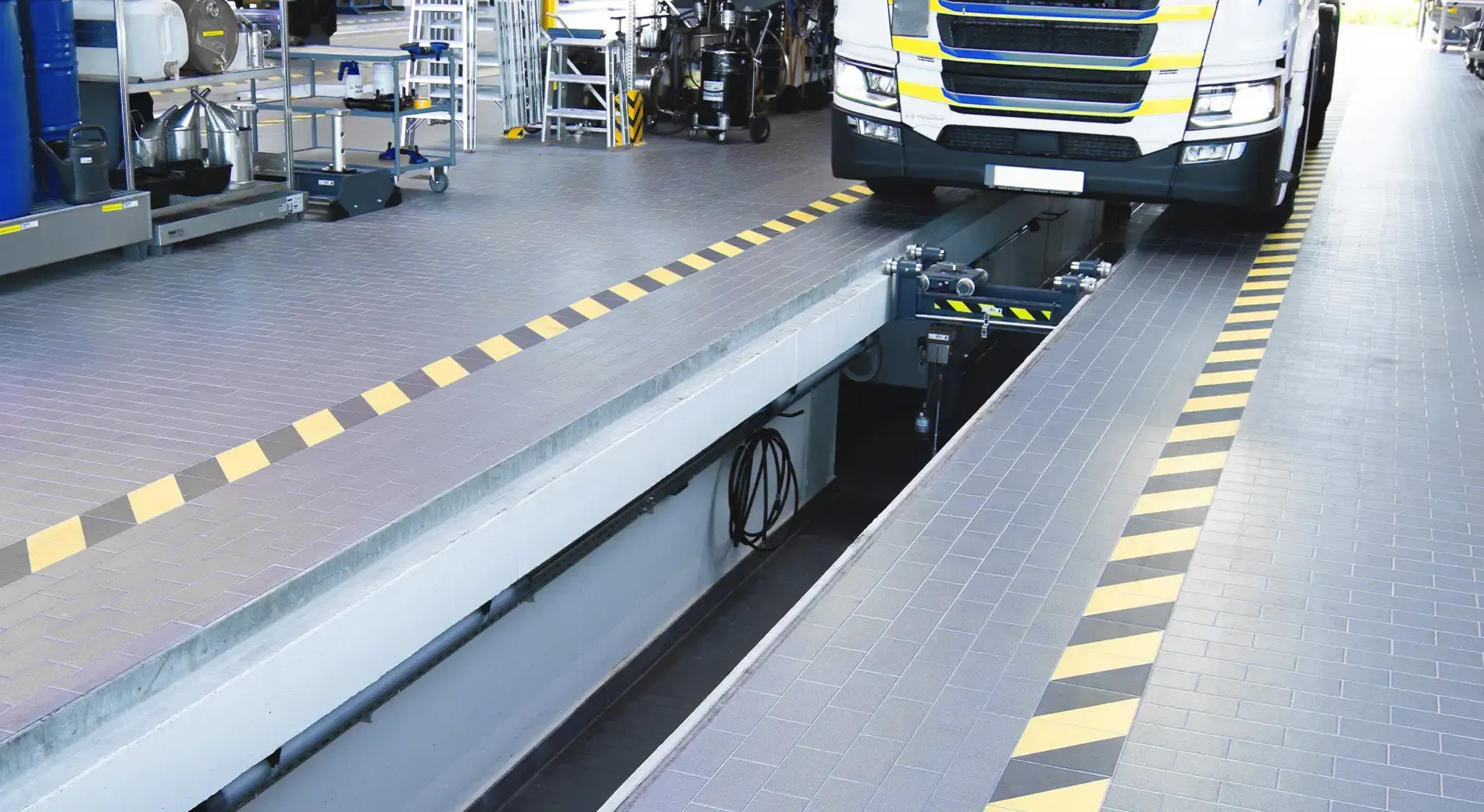
Concrete can offer slip resistance when freshly treated, but surface wear and polishing reduce grip over time. Brick provides some natural texture, yet its uneven surface may create trip hazards or hinder cleaning. Vitrified tiles balance traction and cleanability, offering a surface designed to support safer footing in routine operations.
For areas requiring visual cues, certain formats incorporate contrasting colors or abrasive strips directly into the tile body. These built-in safety features maintain visibility and surface texture over extended service life when properly maintained.
Ease of Maintenance
Keeping large industrial floors clean can be resource-intensive, especially when surfaces trap grime or absorb liquids. Fully vitrified tiles simplify this process. Their dense surface limits the absorption of dirt, oils, and cleaning agents, which allows scrubbers and pressure washers to work efficiently. Narrow grout joints further limit the areas where debris can collect.
Concrete, even when sealed, gradually develops pores and microcracks that collect dust and moisture. These imperfections make cleaning less effective over time and require periodic resurfacing to restore performance. Brick floors face similar challenges, as the mortar joints can harbor dirt and bacteria that resist standard cleaning methods.
Vitrified tiles are designed to support straightforward and repeatable cleaning routines. Facilities save time and labor while supporting strict sanitation requirements when paired with appropriate cleaning protocols.
Aesthetic and Functional Versatility
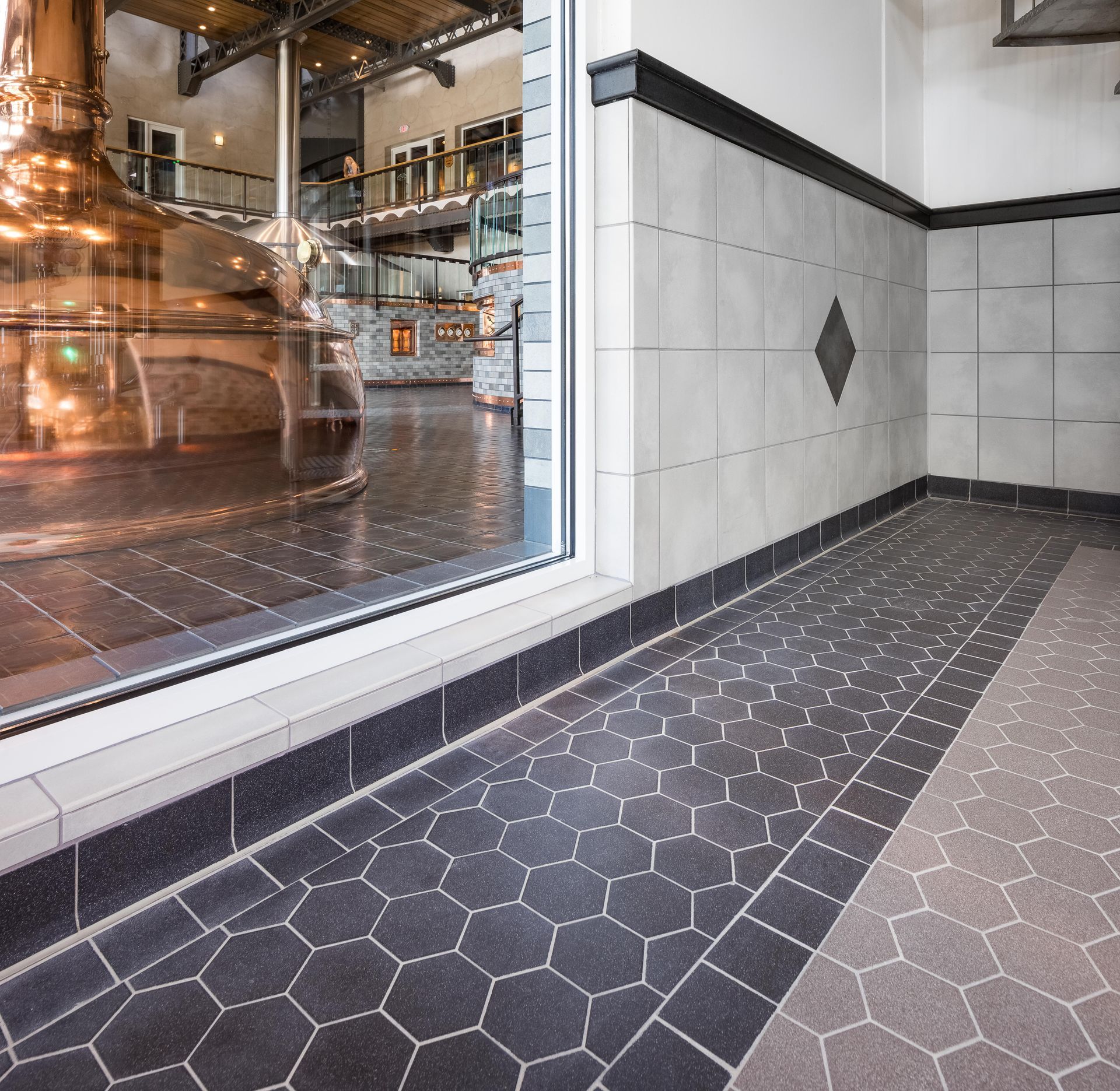
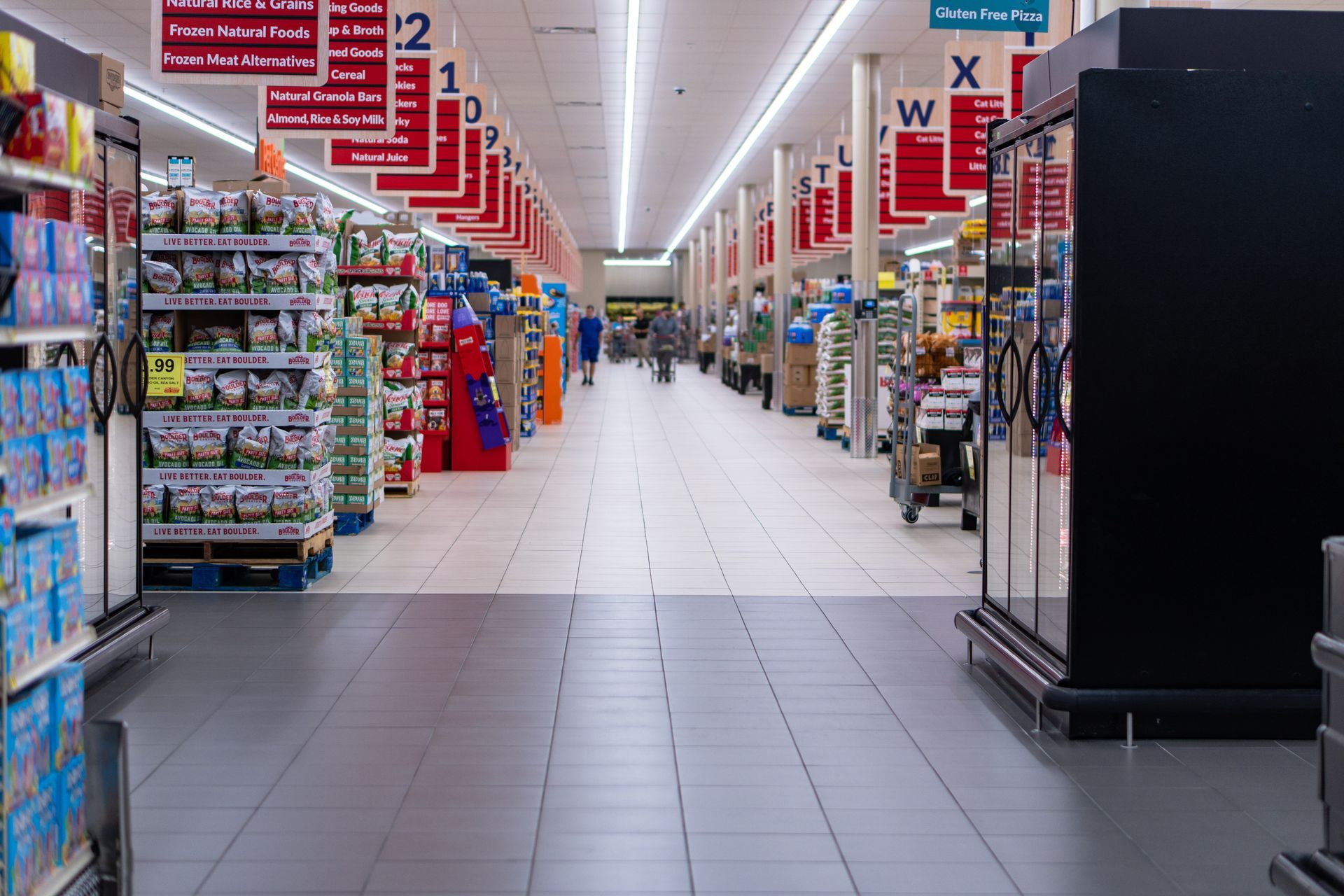
Fully vitrified tiles combine durability with design flexibility. Available in a range of colors and finishes, they can support zoning strategies that improve workflow and safety. Contrasting shades highlight walkways, production areas, or restricted zones without relying on surface coatings that wear away. Textured finishes add slip resistance in wet areas, while smoother surfaces work well in zones where hygiene and ease of cleaning take priority.
Concrete floors can be polished or coated, but those treatments fade or peel under heavy use. Brick has a traditional appearance but limited variation in color and layout. Vitrified tiles offer greater adaptability, making them suitable for facilities that require both performance and visual organization.
Tailored for Demanding Industries
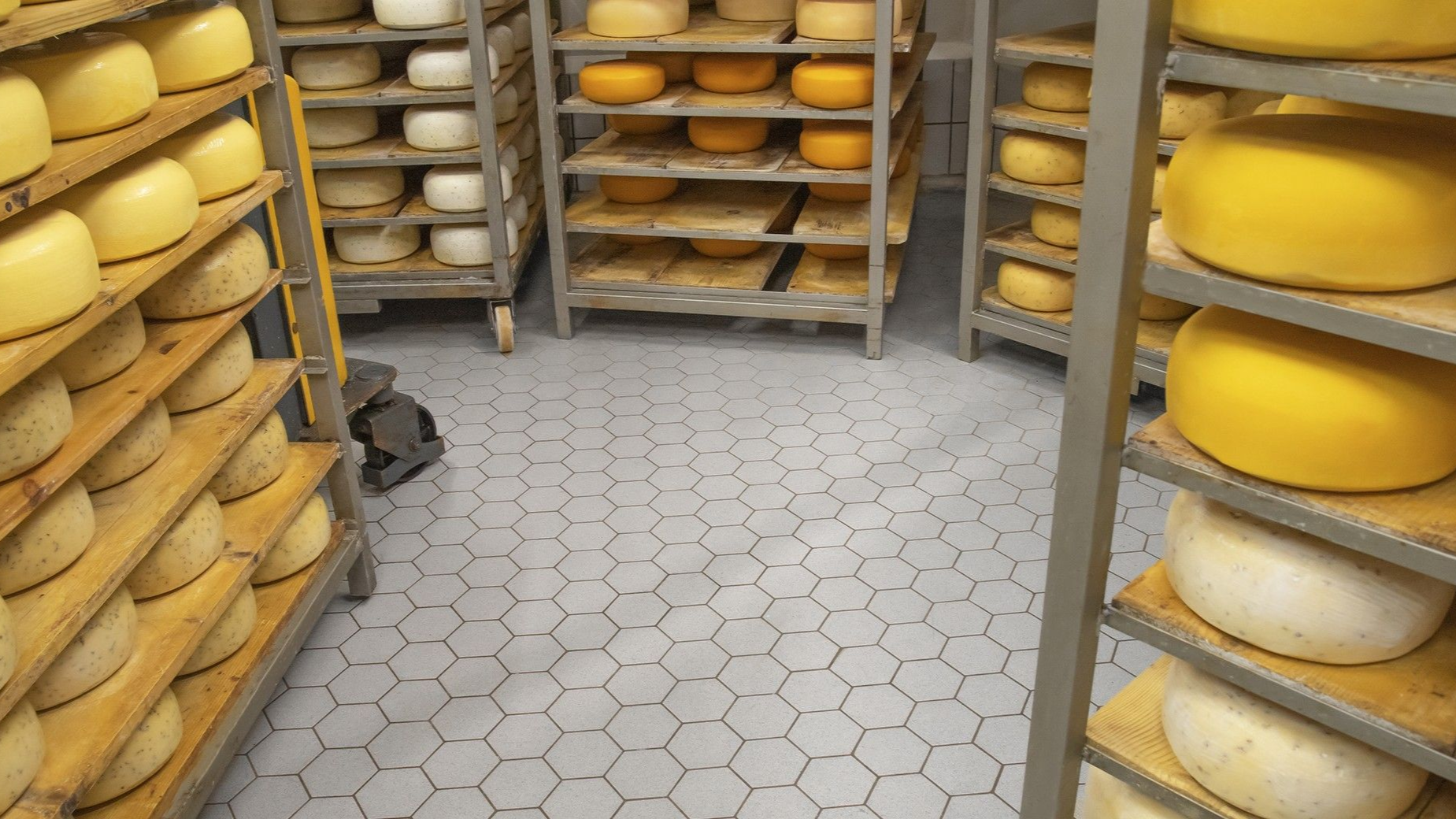
Different industries place unique stresses on flooring, and fully vitrified tiles are designed to handle those challenges. In food and beverage production, low absorption and easy cleanability help facilities comply with strict hygiene standards. In automotive workshops, tiles are designed to resist exposure to oils, fuels, and heavy rolling loads common in automotive environments. Warehouses and distribution centers benefit from surfaces that stay level and intact under forklifts, pallet jacks, and constant traffic.
Brick and concrete may require additional maintenance or protective treatments in these settings. Porous surfaces can harbor contaminants, and repeated exposure to chemicals or thermal shock accelerates deterioration. Vitrified tiles provide a more consistent solution, combining strength, safety, and sanitation across diverse environments.
Why Partner With Argelith
Fully vitrified tiles deliver consistent performance in the toughest industrial settings, but choosing the right partner is just as important as selecting the right material. Argelith focuses exclusively on high-performance ceramic tile, combining decades of German engineering expertise with a dedicated U.S. team that understands the needs of industrial and commercial facilities.
Clients benefit from precise manufacturing, a wide range of formats and finishes, and fast delivery from U.S.-based warehouses.
Request a consultation today to explore how Argelith vitrified tiles can support the efficiency, safety, and long-term reliability of your operation.
Disclaimer: Floor performance characteristics depend on correct product selection, substrate preparation, installation methods, traffic patterns, and ongoing maintenance. Safety, hygiene, and durability outcomes are influenced by operating conditions and are not solely determined by flooring materials.