Industrial Flooring Guide – Meet OSHA Safety Standards
Your industrial floors are more important than you might think. They’re a critical line of defense against workplace injuries, contamination risks, and structural failures. OSHA safety standards exist for a reason, and noncompliant flooring can lead to costly incidents and operational setbacks. In environments where heavy equipment moves constantly, spills are routine, and hygiene is non-negotiable, your flooring should be more than an afterthought. To meet OSHA’s expectations, you should start with informed material selection, precise installation, and ongoing maintenance. For businesses that prioritize safety and compliance, understanding these standards is the first step toward creating resilient, regulation-ready facilities.
Understanding OSHA’s Industrial Flooring Requirements
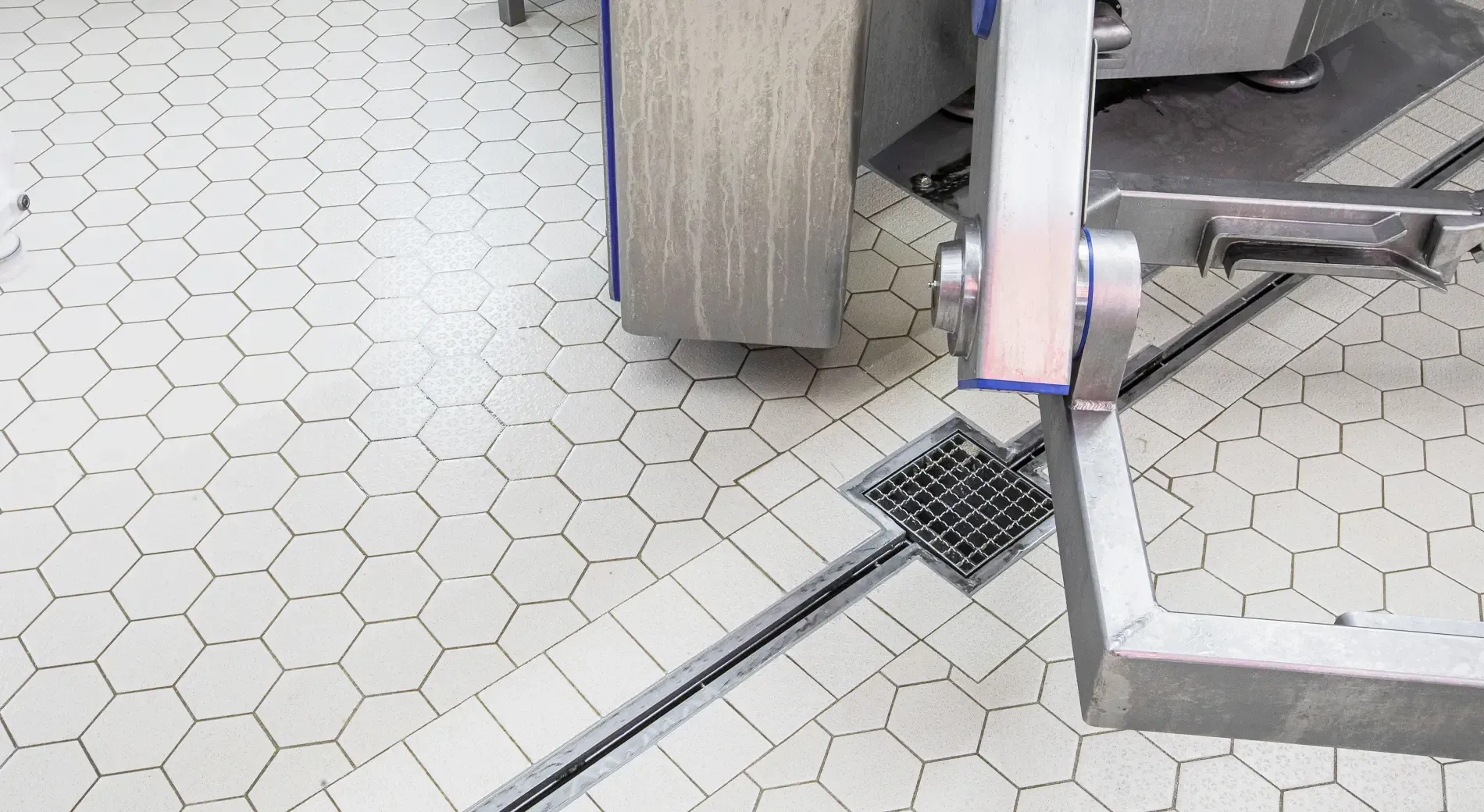
OSHA’s regulations for walking-working surfaces focus on minimizing hazards that compromise worker safety. Under 29 CFR 1910 Subpart D, industrial flooring must be stable, level, and routinely maintained to prevent slips, trips, and falls. Floors must remain dry when possible, and in wet environments, they require proper drainage and slip-resistant finishes.
Compliance depends on measurable performance, including structural stability, chemical resistance, and surface traction, and not just surface appearance. It should withstand the weight of equipment without cracking, clean easily to avoid bacterial buildup, and integrate seamlessly with the facility’s daily operations. A floor that fails under load or holds standing water increases the risk of citations and injuries.
Common Industrial Floor Hazards and Compliance Challenges
Even well-managed facilities face persistent flooring challenges that can compromise OSHA compliance and worker safety.
Slippery Surfaces and Trip Hazards
Poor traction due to worn surfaces or contamination is a leading cause of workplace injuries. Uneven transitions, cracks, or loose materials increase the risk of tripping and OSHA citations.
Standing Water and Bacterial Growth
Improper drainage in processing zones creates puddles and hygiene concerns. These conditions violate both safety and sanitation protocols and can escalate into cross-contamination risks.
Floor Integrity Under Heavy Loads
Heavy machinery and pallet traffic stress floor systems. Inadequate substrates or low-quality surfaces lead to cracks, tile displacement, and structural fatigue are all direct threats to compliance and productivity.
How Flooring Design Impacts OSHA Compliance
Effective OSHA compliance starts with intentional flooring design. When safety is engineered from the outset, facilities avoid costly retrofits and reduce long-term liability. The right flooring system must be tailored to the operational realities of the space. Think, load-bearing needs, moisture exposure, chemical handling, and sanitation protocols.
Furthermore, initial design decisions lay the groundwork for long-term safety and compliance. Too often, compliance issues are addressed reactively. Coatings are applied to slippery surfaces, drains are added to combat pooling water, or patchwork repairs are made after cracks form. These solutions rarely perform consistently over time.
A purpose-built floor, specified with performance in mind, offers greater durability and fewer maintenance demands. OSHA’s requirements are best met not with workarounds, but with materials and systems designed to exceed regulatory benchmarks from the beginning.
Argelith Tiles: Engineered for OSHA Compliance
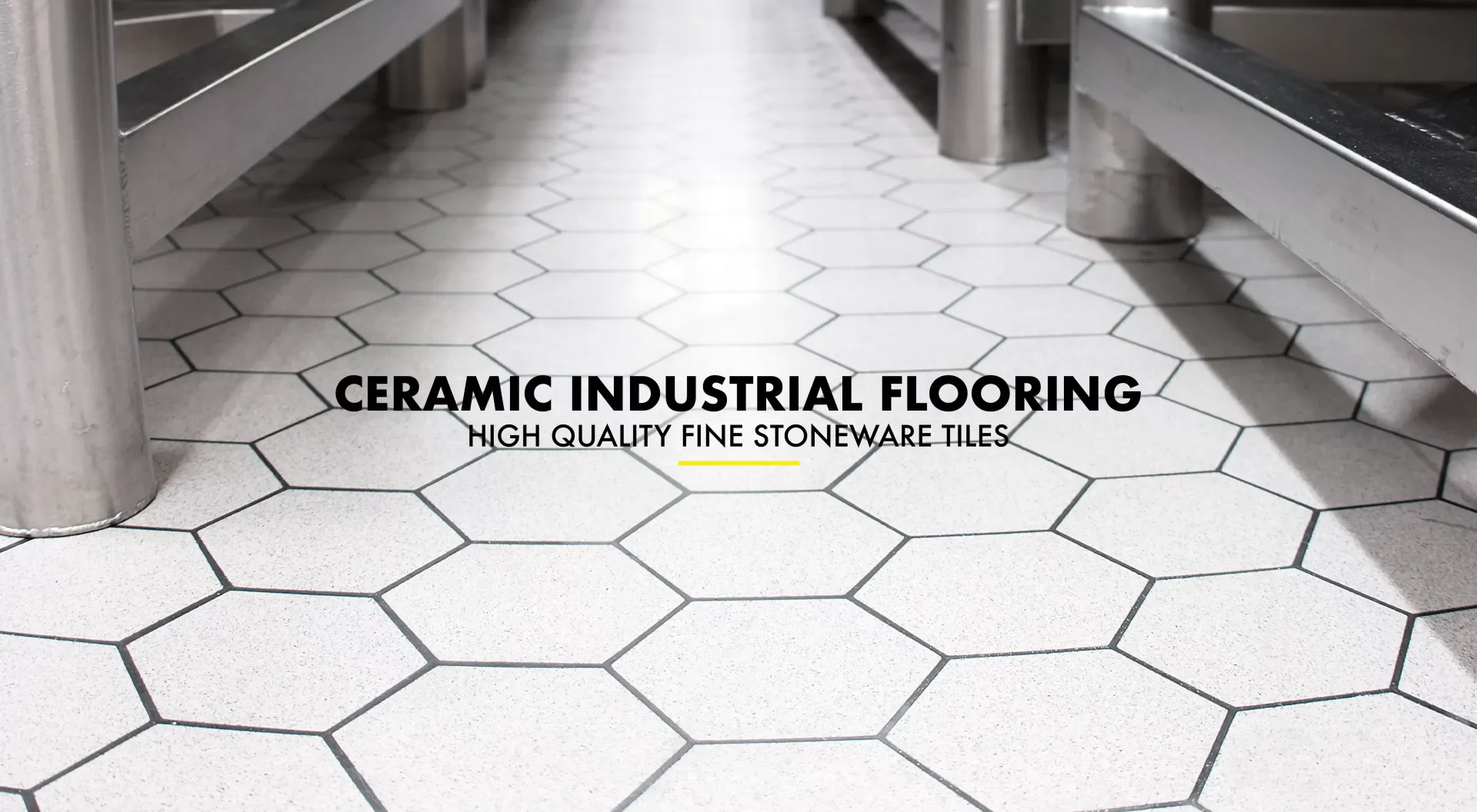
Argelith tiles are engineered with properties that support OSHA-aligned safety goals, including slip resistance, durability under load, and hygiene-friendly surfaces. With an ultra-low absorption rate and dense, nonporous surface, these tiles resist standing water, bacterial growth, and chemical intrusion. Our slip-resistant finishes maintain traction even in wet or contaminated environments, reducing the risk of falls and regulatory violations.
Each tile is designed to withstand extreme weight and repetitive mechanical stress without cracking, shifting, or delaminating. This structural integrity minimizes maintenance interruptions and supports long-term compliance. Available in a range of sizes and finishes, Argelith tiles integrate seamlessly into both new construction and redesign projects.
OSHA compliance depends on how a flooring system is designed, installed, and maintained, not on materials alone. Argelith supports compliance by offering flooring solutions built to perform under OSHA-relevant conditions.
When safety, durability, and hygiene are non-negotiable, Argelith provides a tested solution backed by German engineering and a legacy of industrial performance. For facilities seeking OSHA-aligned flooring without compromise, these tiles offer measurable advantages over conventional materials.
Industry Applications That Demand OSHA-Compliant Flooring
OSHA compliance is critical in industries where safety, hygiene, and structural durability are daily concerns.
Food and Beverage Processing
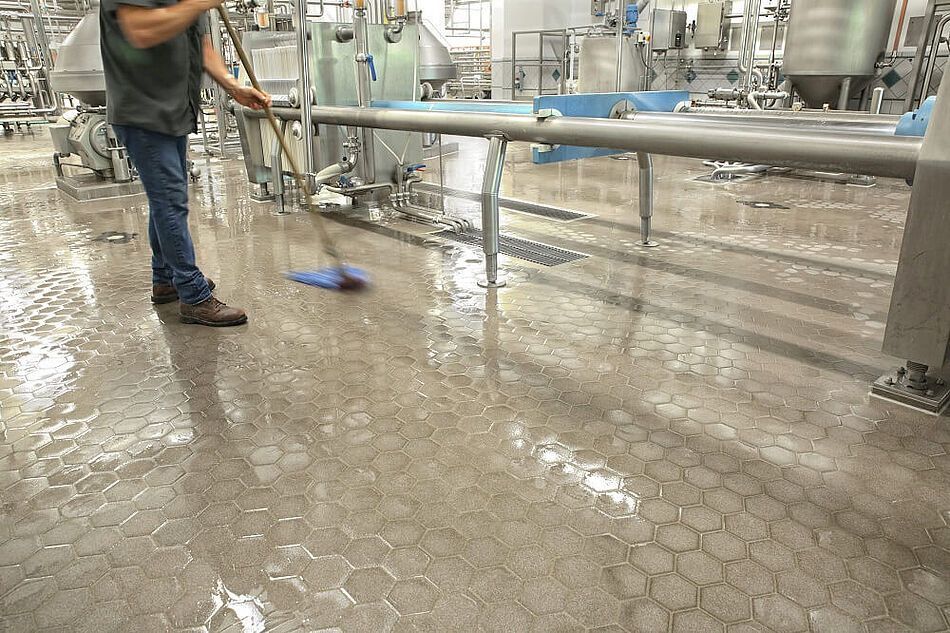
In washdown environments, flooring must resist acids, oils, and high-pressure cleaning. Argelith’s tiles provide seamless surfaces with ultra-low absorption, essential for sanitation and slip resistance.
Automotive and Manufacturing
These facilities demand flooring that endures mechanical traffic, chemical exposure, and dropped tools. Argelith’s dense tiles resist cracking and delamination, protecting workers from trip hazards and surface degradation.
Retail and Grocery
Frequent spills, foot traffic, and strict cleanliness standards require flooring that’s both hygienic and resilient. Argelith tiles maintain visual appeal under stress while supporting traction and easy maintenance, all key factors for regulatory and customer safety.
Installation Practices to Support Long-Term Compliance
Even the highest-performing flooring material can fall short without proper installation. OSHA compliance relies not only on tile quality but also on precise execution. Industrial environments demand narrow grout joints (1/16"–1/8") to reduce trip hazards and prevent water intrusion. Epoxy grout is recommended in chemically aggressive settings where cementitious options may degrade. In lower-risk zones, high-quality cementitious grout may also be appropriate when paired with the right cleaning regimen. Floors must be leveled and fully supported to avoid cracking under heavy loads.
Experienced installers familiar with vibration or thinset installation methods are essential for long-term performance. Post-installation practices also play a role; acid washes help eliminate grout haze, and auto-scrubbers with suitable pads preserve surface traction. Every step, from substrate preparation to final cleaning, influences safety and longevity. Selecting qualified professionals ensures the flooring system performs as engineered and remains OSHA-compliant under real-world conditions.
Partnering with Argelith for Safer Workspaces
OSHA-compliant flooring doesn’t happen by chance; it’s the result of intentional design, reliable materials, and skilled execution. Beyond technical performance, your flooring should align with long-term safety goals, help reduce downtime, and support demanding operations. Argelith delivers on these priorities with fully vitrified tiles engineered for industrial realities. From resisting corrosive agents to withstanding constant mechanical loads, every tile is designed for durability, hygiene, and safety.
For nearly 20 years, we’ve helped businesses choose flooring systems that meet the highest standards of safety, durability, and performance. That’s why we understand that, regardless if you’re building a new facility or upgrading an existing one, you need flooring decisions that reduce liability, lower maintenance costs, and reinforce your safety culture. With U.S.-based warehousing, responsive support, and decades of technical expertise, Argelith is both a tile manufacturer and a performance partner.
Request a consultation today to explore engineered tile solutions tailored to your industry’s needs and build a safer, OSHA-compliant workspace from the ground up.
Disclaimer: OSHA compliance is determined by a facility’s overall safety conditions and operational practices. While Argelith tiles are engineered for high performance in regulated environments, no flooring system can ensure compliance on its own.