How Chemical Resistant Flooring Protects Your Bottom Line

September 3, 2024

Share This Article

A danger sign is attached to a hose in a brewery.

Substances you work with, from food additives to industrial chemicals, end up on the floor. Then you probably clean the floor using a strong detergent. Protecting your building from that barrage of chemical attack is the job of chemical resistant (also known as corrosion resistant) flooring.


When you are in the business of making things, floors take a beating.


Whatever substances you work with, from food additives to industrial chemicals, end up on the floor. Then you probably clean the floor using a strong detergent. Protecting your building from that barrage of chemical attack is the job of chemical resistant (also known as corrosion resistant) flooring.

A small square piece of granite is sitting on a black surface.

WHAT IS CHEMICAL RESISTANT FLOORING?

Chemical resistance is a flooring material’s ability to remain unchanged after being exposed to chemicals. According to Safeopedia, chemical resistant material does not react to corrosive substances and acts as a barrier to prevent corrosives from passing through.


Chemical resistant flooring is designed to withstand chemical exposure in industrial settings. This flooring material is inert – that is, it does not react when it encounters chemicals.

Corrosive chemicals can be acidic (low on the pH scale) or caustic (high on the pH scale). Any chemical that can cause the surface of an object to deteriorate is corrosive. Deterioration might happen instantly, such as muriatic acid burning skin, or gradually, such as iron rusting in a bridge.


Flooring that is not chemical resistant undergoes a chemical reaction when it encounters these substances. Reactions may result in visible changes to the floor, such as pitting or staining, or in corrosion, breaking down the structure of the floor. Corrosion can cause problems like softened, bubbling, or delaminated coatings or brittle and dusty concrete.


A number of corrosive chemicals are widely used in the manufacture and maintenance of everyday products. Using building materials with high chemical resistance makes industrial businesses more effective and productive while minimizing the need to replace corroded parts.


COMMON CORROSIVE CHEMICALS

Many common products have chemical components that can corrode flooring, particularly at industrial-level exposure. Corrosionpedia notes that a material’s level of chemical resistance may be affected by temperature, concentration, length of exposure, and mechanical load.


Below are some common industrial chemicals and how they are used:

Chemical

Acetylsalicylic acid

Ascorbic acid

Sulfuric acid

Chlorine

Carbonic acid

Ethylene

Sodium hydroxide

Citric acid

Polypropylene

Phosphoric acid

Industry

Pharmaceutical

Food & Beverage

Automotive; Apparel; Chemical

Pharmaceutical; Household Goods

Food & Beverage

Automotive; Chemical

Household Goods; Food & Beverage

Food & Beverage

Automotive; Household Goods

Food & Beverage; Automotive

Common Uses

Aspirin

Vitamin C food additive

Car batteries; Fertilizer; Paint; Dye; Detergent

Dye; Bleach; Insecticide; Water treatment

Soft drinks; Seltzer

Antifreeze; Packing material; Plastic

Paper; Soap; Drain cleaner; Food additive

Citrus fruits; Flavor additive

Carpet; Brake fluid; Detergent; Paint; Insulation

Food additive; Rust remover

CORROSION RESISTANT FLOORING SYSTEM

Because the effects of chemical exposure can build up over time, chemical resistant building materials should be considered a requirement when planning an industrial facility. The upfront expense of a quality chemical resistant flooring system will be repaid many times over in the floor’s ability to outlast a less resistant option.


Fully vitrified ceramic tile is naturally inert and chemical resistant. It does not react with either acids or caustics, making it well suited to most industrial applications. It is also nonabsorbent and resists cracks and abrasions.


For best results, choose a full-body tile. These tiles are made as a single, dense layer, rather than multiple layers with a chemical resistant layer on top. In the event a tile does become scratched or chipped, a full-body tile will lose none of its chemical resistant properties.


When installing vitrified tile, use an experienced installer who understands the unique demands of your industry. The installer should choose a mortar and grout that are also resistant to the type of chemical exposure the floor will encounter, creating a comprehensive chemical resistant flooring system.


For more information about how industrial tile performs in your industry, contact us.

Connect With Us

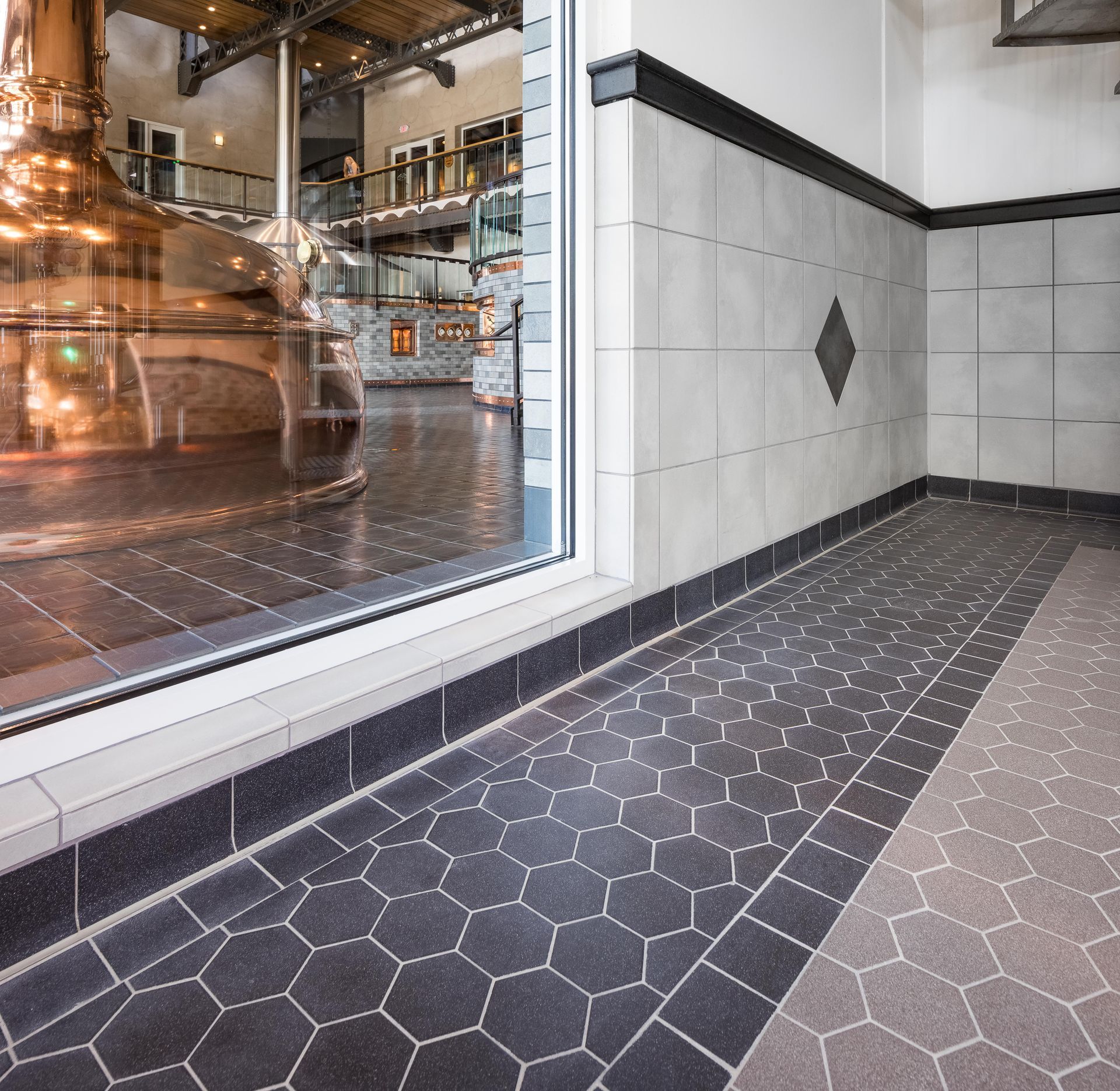
Tiled interior with a large window overlooking a brewery’s copper tanks and industrial equipment
By Christian Nierenkoether • October 23, 2026
Compare tile vs urethane cement flooring to evaluate durability, chemical resistance, maintenance, installation, and long-term costs for commercial and industrial flooring applications.
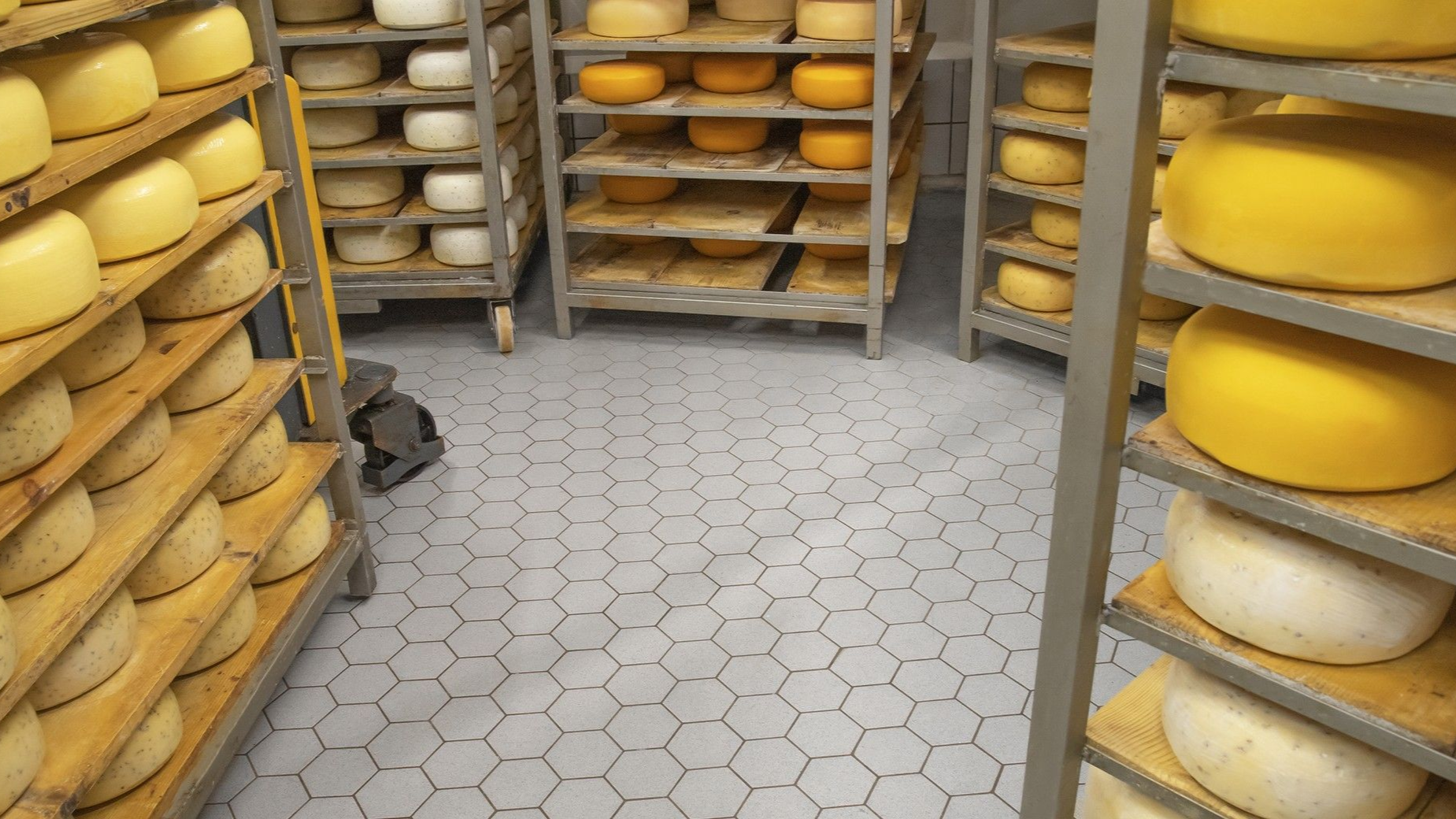
Rows of yellow cheese wheels aging on shelves in a cheese cellar with tiled floor
October 21, 2026
Learn how to choose hygienic food processing flooring that meets FDA, USDA, and SQF requirements while supporting sanitation, safety, and long-term durability.
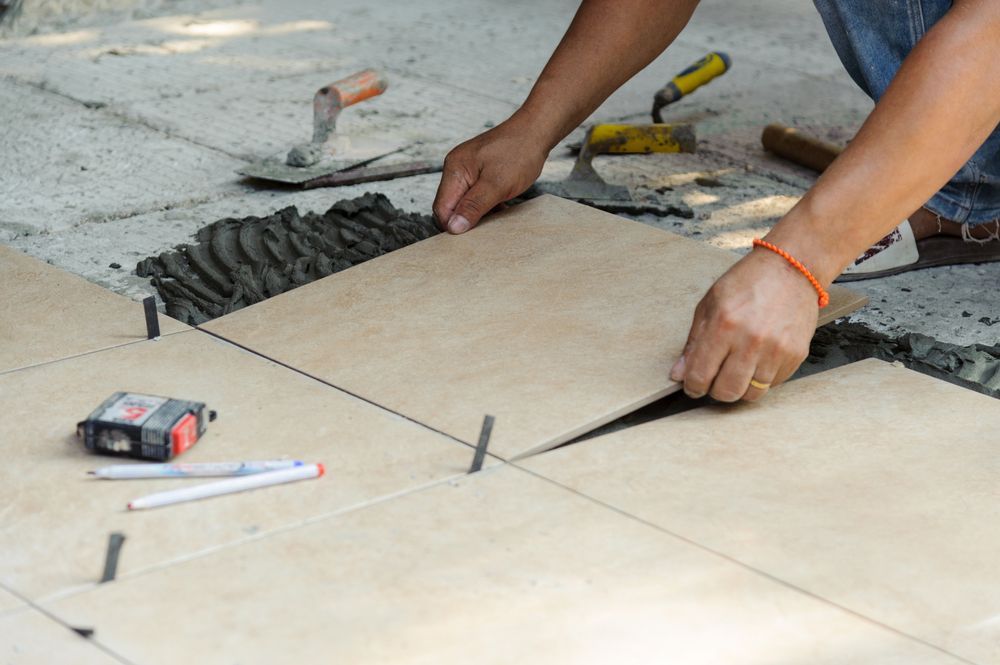
Worker installing beige floor tiles with spacers and tools on a tiled surface
October 13, 2026
Commercial flooring works harder than flooring in most other environments. In food processing facilities, automotive shops, and industrial plants, floors may face heavy equipment, rolling loads, chemical exposure, oils, moisture, temperature changes, and rigorous cleaning protocols every day.
Show More