Disadvantages of Epoxy Floors in Industrial Settings
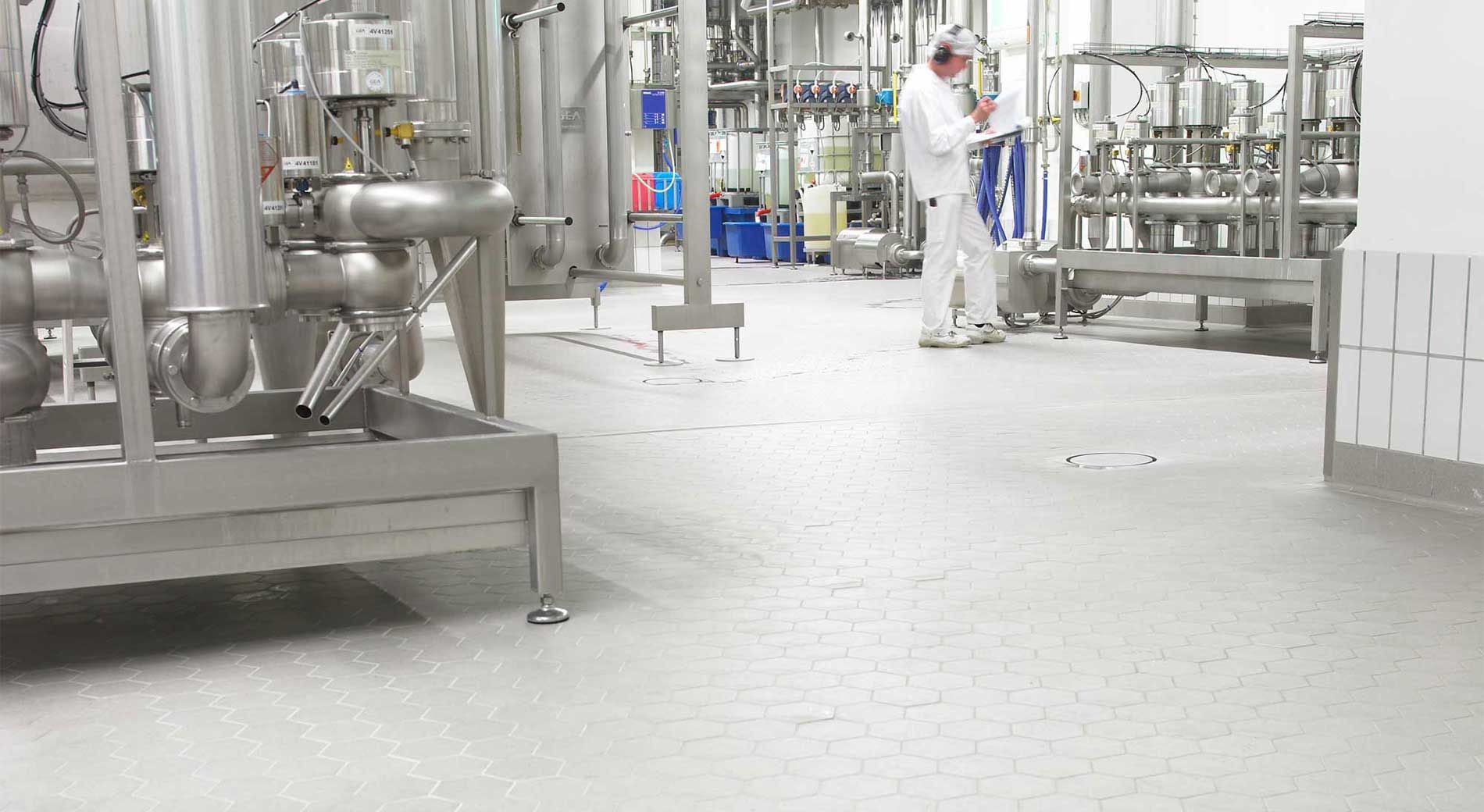
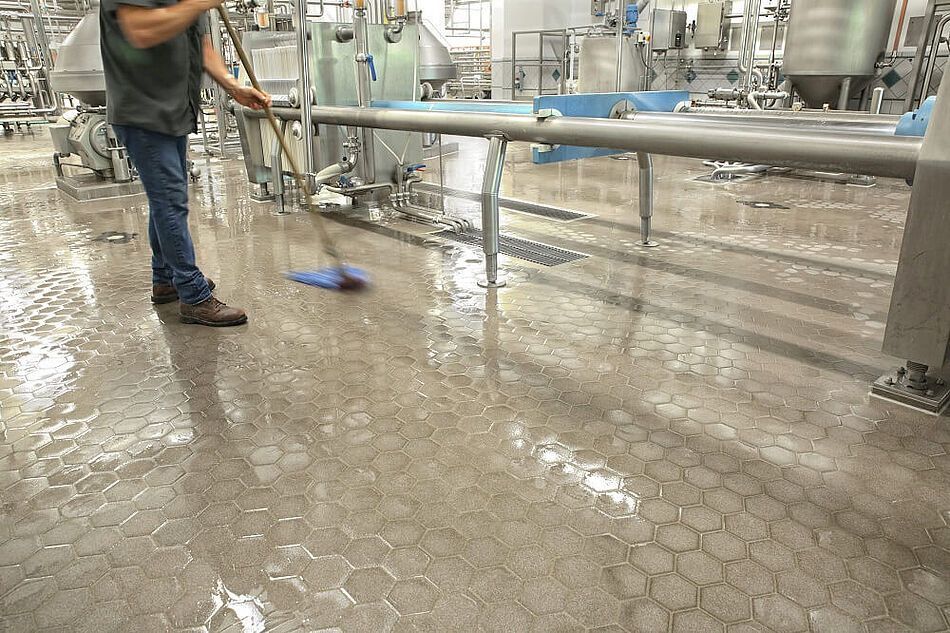
Industrial facilities place extraordinary demands on flooring. In automotive workshops, food production plants, breweries, and industrial settings, the floor is exposed to constant mechanical stress, chemical exposure, heavy traffic, and aggressive cleaning protocols. What may appear to be a smooth, seamless surface at installation must withstand years of forklifts, dropped tools, temperature fluctuations, and sanitation cycles.
Epoxy flooring is often selected because it appears cost-effective and easy to install. In many light-duty commercial spaces, it can perform adequately. However, industrial environments reveal the material’s structural limitations over time. As wear accumulates, coatings can chip, delaminate, or degrade, and this can create maintenance burdens and operational disruptions.
When the floor begins to deteriorate, repairs interrupt production, introduce safety risks, and create hygiene concerns. When comparing industrial flooring systems such as epoxy vs ceramic tile, the differences in long-term performance become more apparent in demanding environments. Understanding the disadvantages of epoxy floors in demanding industrial environments is essential for making informed flooring decisions. For many facilities, fully vitrified ceramic tiles, which are engineered for heavy-duty industrial use, often provide a more durable and stable alternative in demanding industrial environments.
Limited Durability Under Heavy Use
One potential
disadvantage of epoxy floors is their limited durability under continuous industrial traffic.
Epoxy systems function primarily as surface coatings applied over a concrete substrate. While the coating can initially create a strong, attractive surface, it remains relatively thin compared to structural flooring materials.
In industrial settings, this thin layer faces constant mechanical stress from:
- Forklifts and pallet jacks
- Steel-wheeled carts
- Dropped tools and equipment
- Heavy point loads from machinery
- Over time, these forces can cause epoxy coatings to:
- Chip or crack
- Abrade under repeated traffic
- Delaminate from the concrete substrate
Once the coating begins to degrade, repairs often require partial or complete resurfacing. These repairs rarely match the original finish and typically require shutting down sections of the facility.
Fully vitrified ceramic tiles provide a fundamentally different performance profile. Instead of relying on a protective coating on the surface, the entire tile is manufactured to be dense and vitrified.
This means the whole tile body has the same strength and durability, not just the top layer. Because the strength runs throughout the tile, the floor does not depend on a thin coating for protection.
As a result, fully vitrified tiles provide structural durability throughout the entire material thickness and can stand up to heavy industrial traffic over the long term.
Maintenance Challenges
At first glance, epoxy flooring appears easy to maintain due to its seamless finish. However, industrial environments quickly expose maintenance challenges.
As epoxy coatings wear down, the surface can become:
- Scratched
- Dull
- Uneven in high-traffic areas
These imperfections create surfaces that trap dirt, grease, and residues, making cleaning more difficult over time.
In facilities with strict sanitation requirements, such as food and beverage processing plants, maintaining consistent cleanliness becomes increasingly difficult as the coating deteriorates.
Additionally, repairing epoxy flooring often involves:
- Grinding down damaged areas
- Reapplying coating layers
- Allowing curing time before the floor can be used again
This process introduces operational downtime that many facilities cannot easily accommodate.
In contrast, vitrified ceramic tiles maintain their surface integrity even after years of use. Their dense composition resists scratching and wear, allowing facilities to clean floors effectively using auto-scrubbers with appropriate pads, even aggressive pads when necessary for stubborn buildup.
Performance Issues in Harsh Environments
Industrial facilities frequently expose flooring systems to conditions that challenge epoxy coatings.
Common stressors include:
- Thermal shock from hot water washdowns
- Chemical exposure from oils, acids, and cleaning agents
- Moisture intrusion from production processes
- In facilities using Clean-in-Place (CIP) systems, repeated exposure to caustic and acidic cleaning cycles further accelerates coating degradation.
Epoxy coatings can struggle in these environments. Temperature changes are one challenge. When temperatures rise and fall, epoxy can expand and contract at a different rate than the concrete underneath it. Over time, this stress may cause the coating to crack or separate from the concrete.
Chemical exposure is another issue. Certain acids, solvents, and industrial chemicals may degrade epoxy surfaces over time, especially when spills happen often or when strong cleaning methods are used.
Fully vitrified ceramic tiles have an extremely low water absorption rate, typically below 0.5%. This dense structure helps limit moisture penetration, supports hygienic cleaning routines, and contributes to long-term resistance against chemical exposure and freeze-thaw stress.
When installed with the right grout system, such as epoxy grout in chemical-heavy environments, the flooring system stays stable and durable even under demanding conditions.
Hygiene and Safety Concerns
Industrial floors must support strict hygiene standards while also providing safe working conditions.
Epoxy floors can present two key challenges:
Surface Degradation
As coatings wear down, micro-cracks and chips can develop. These small imperfections may create conditions where bacteria or contaminants can accumulate, particularly in food production environments.
Slip Resistance Changes Over Time
Slip-resistant additives can be incorporated into epoxy coatings. However, as the coating wears, the texture that provides slip resistance may diminish, increasing the risk of slips and falls.
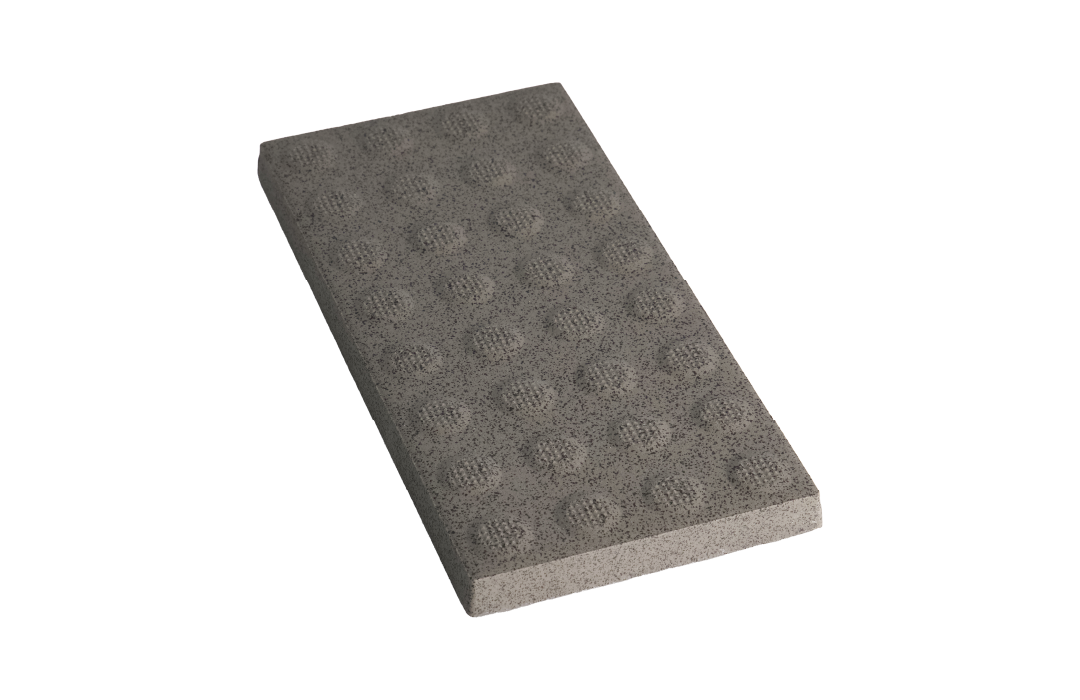
Engineered ceramic tile systems address these concerns through integrated nonskid surface textures that are part of the tile itself rather than an applied coating. These textures remain consistent throughout the life of the tile, helping facilities maintain safer walking surfaces.
Additionally, narrow grout joints (typically 1/16" to 1/8" in industrial applications) reduce areas where water or contaminants can accumulate.
Installation Limitations
Installation practices should follow applicable industry standards and be determined by qualified installers based on project-specific conditions. Proper substrate preparation is important for any flooring system. However, epoxy coatings are particularly sensitive to moisture in the concrete substrate, which can affect bond strength and lead to premature failure if not properly addressed.
Epoxy coatings typically require:
• Careful surface preparation
• Controlled environmental conditions
• Strict moisture management in the concrete substrate
If the substrate contains excess moisture or contaminants, the epoxy may not bond correctly, which can lead to premature failure or delamination.
Additionally, epoxy flooring often requires controlled curing times during which the floor cannot be used. In operational facilities, these installation windows can disrupt production schedules.
Fully vitrified ceramic tile systems provide greater installation flexibility. Depending on project requirements, installation methods such as thinset or vibration installation may be used by experienced installers.
When installed by qualified professionals using appropriate grout systems, the result is a structurally stable floor engineered for long-term industrial performance.
Long-Term Cost Inefficiency
Epoxy flooring is often selected based on its lower upfront cost. However, this perspective can overlook the long-term financial implications.
Over the lifecycle of an industrial facility, epoxy systems may require:
- Frequent resurfacing
- Sectional repairs
- Periodic reapplication
Each repair cycle introduces labor costs, material costs, and potential operational downtime.
When evaluated over decades of use, these recurring maintenance cycles
can make epoxy flooring significantly more expensive than more durable alternatives.
Fully vitrified ceramic tiles are engineered for long service life with minimal degradation, allowing facilities to avoid the repeated resurfacing cycles associated with coating-based systems.
Argelith Vitrified Tiles as an Alternative Flooring Solution
Choosing flooring for an industrial facility is rarely straightforward. Each environment has different demands, such as heavy machinery, chemical exposure, strict sanitation requirements, or constant foot and vehicle traffic.
The goal is to choose a flooring system that can reliably handle these conditions for many years while maintaining performance and safety.
Argelith Ceramic Tiles works closely with architects, contractors, and facility decision-makers who must balance safety, hygiene, durability, and long-term operational efficiency. Drawing on decades of German engineering expertise, the company develops fully vitrified ceramic tile systems engineered specifically for demanding industrial environments.
These engineered flooring solutions are trusted in facilities where performance cannot be compromised, including:
- Automotive workshops
- Food and beverage processing plants
- Breweries
- Commercial kitchens
- Distribution facilities
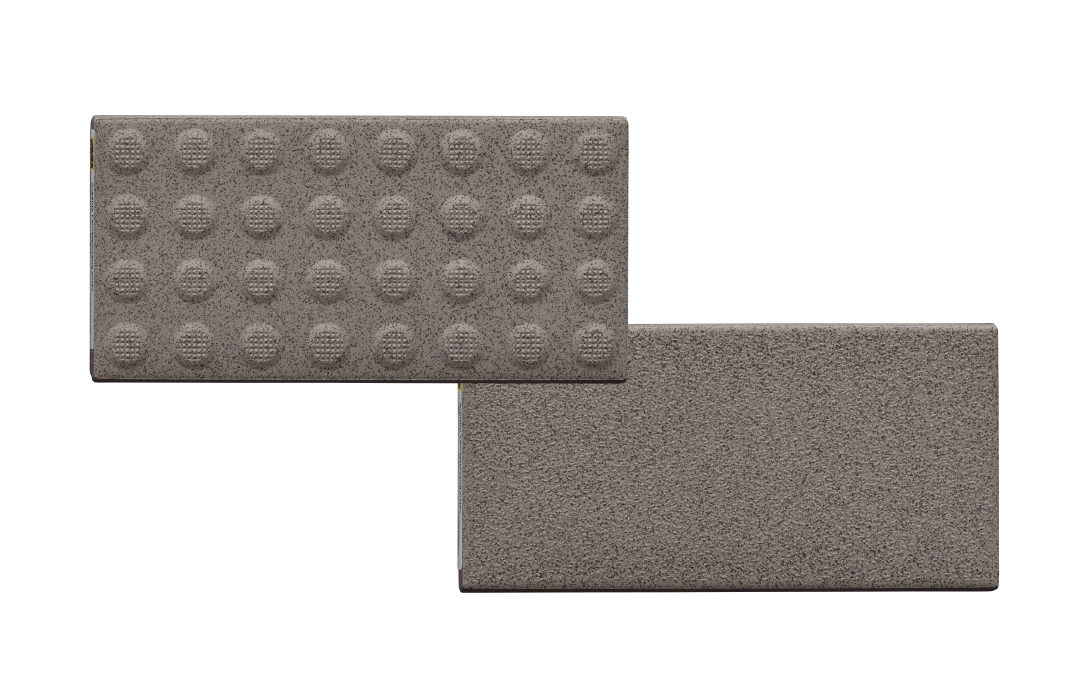
Rather than relying on surface coatings that degrade over time, Argelith’s tiles feature a dense, fully vitrified structure. This engineering approach creates a flooring system capable of withstanding heavy traffic, chemical exposure, and aggressive cleaning protocols while maintaining consistent surface performance.
Argelith also serves as a technical partner throughout the specification process. The company helps project teams evaluate environmental conditions, determine appropriate tile formats, and select grout systems suited to the facility’s operational demands.
For organizations responsible for maintaining safe, hygienic, and reliable industrial environments, the goal is to install a flooring system that supports long-term performance and dependable operations.
If you are evaluating flooring options for long-term durability, explore Argelith’s
engineered tile solutions or
request a consultation to discuss the specific needs of your facility.
Disclaimer:
Floor performance characteristics depend on proper product selection, substrate preparation, installation methods, site conditions, and ongoing maintenance. Slip resistance ratings and hygienic performance may vary based on use conditions, cleaning practices, and environmental factors.
Key Takeaways
Epoxy flooring may appear attractive during initial installation, but industrial environments quickly expose its limitations.
Potential key disadvantages include:
- Lower durability under heavy mechanical stress
- Higher maintenance needs as coatings wear over time
- Exposure to damage from chemicals and temperature changes
- Slip resistance may decrease as the surface ages
- Installation limits and required curing time before use
- Higher long-term costs due to resurfacing and repairs
For facilities that require long-term performance, hygiene, and safety, fully vitrified ceramic tile systems provide a more robust solution.