Complete Guide to Automotive Flooring Solutions
Argelith •
September 23, 2025
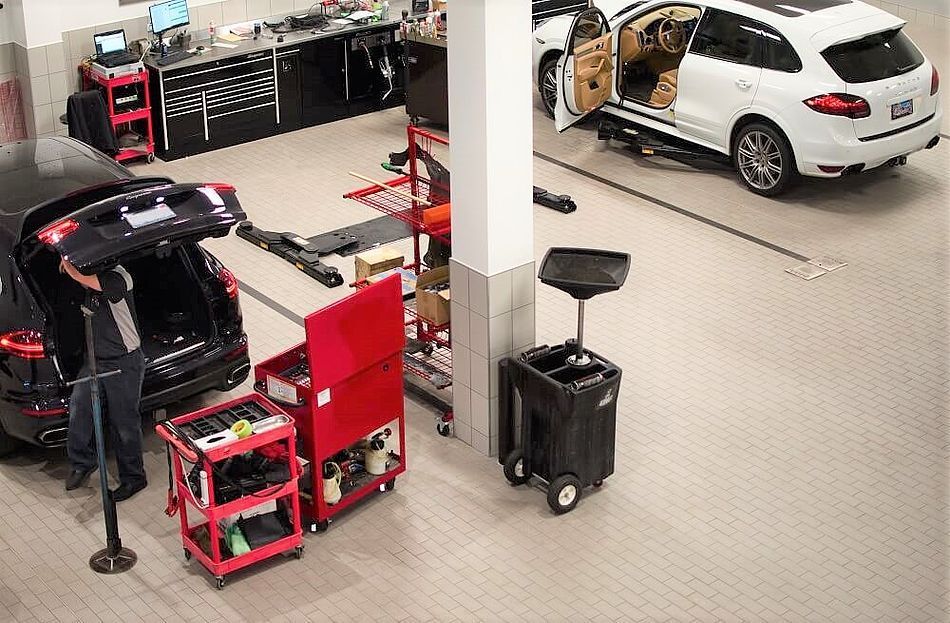
Automotive facilities handle constant vehicle traffic, heavy equipment, and chemical exposure that can wear down conventional flooring. Selecting the right flooring solution directly impacts performance, safety, and maintenance costs. Dealership service bays and assembly lines require surfaces that withstand mechanical stress while preserving traction and a clean appearance. The flooring must be designed to support clean conditions and limit the effects of fluids like oil and brake cleaner. Choosing materials designed for these conditions helps support efficient, safe, and resilient operations under pressure.
Industry Trends in Automotive Facility Design
Modern automotive facilities prioritize efficiency, safety, and long-term cost control. Design decisions increasingly focus on how each component contributes to operational uptime and supports regulatory compliance efforts. Flooring plays a central role in that strategy. Architects and facility managers are selecting materials based on performance under pressure rather than initial appearance.
Facilities are also shifting toward more sustainable materials and low-maintenance surfaces. Time spent repairing or replacing worn floors directly impacts productivity. A growing number of operations are investing in longer-lasting materials to minimize disruptions.
Additionally, safety remains a consistent focus. Slip resistance, chemical resistance, and cleanability all influence material choice. Work zones must remain operational through spills, heavy rolling loads, and constant foot traffic. Visual safety indicators, like contrasting tile colors or embedded stripes, are being integrated into facility layouts to reduce hazards.
Flooring solutions for automotive industry projects are now expected to deliver durability, safety, and consistency across all types of applications and environments.
Key Challenges in Automotive Flooring
Automotive facilities operate under conditions that can quickly degrade standard flooring. The combination of mechanical stress, chemical exposure, and constant movement places significant strain on surfaces. A flooring failure can disrupt operations, introduce safety hazards, and increase maintenance costs.
Common flooring challenges in automotive settings include:
Chemical Resistance
Exposure to motor oil, brake fluid, coolant, and degreasers can break down porous or untreated surfaces, leading to stains and deterioration.
Impact Load
Dropped tools, equipment, and frequent vehicle movement demand flooring designed to resist cracking, chipping, or deformation under pressure.
Slip Hazards
Surfaces must maintain grip under wet, greasy, or dusty conditions to help reduce workplace injury risk and meet safety protocols.
Cleaning Requirements
Daily cleaning using aggressive scrubbers or chemicals can wear down coatings or sealants if the surface isn’t engineered for it.
Thermal Fluctuations
Some areas experience rapid temperature shifts, such as near service bay doors or heat-generating equipment, which can cause cracking or delamination.
Addressing these issues begins with selecting materials engineered for automotive conditions, not just general commercial use.
What Automotive Facilities Typically Use
Automotive facilities use a range of flooring materials depending on their function, budget, and maintenance capacity. While some choices offer short-term savings, others provide better long-term performance under heavy industrial use.
Common flooring materials in automotive environments include:
- Epoxy Coatings. Frequently applied in service bays or showrooms for their clean appearance and low upfront cost. Epoxy coatings may wear prematurely under rolling loads or peel due to thermal cycling and chemical exposure.
- Polished Concrete. Durable and relatively low maintenance. However, it is porous without sealers and may become slippery when wet or contaminated with oils.
- Rubber Flooring. Used in specialty areas where comfort underfoot is prioritized, but it lacks the hardness and chemical resistance needed in most industrial zones.
- Quarry or Ceramic Tile. Often used in washrooms or offices within the facility, but rarely selected for service areas due to limited durability and slip concerns.
Facilities that require consistent performance across large areas typically reevaluate these options when faced with ongoing repairs or safety issues.
Why Fully Vitrified Ceramic Tiles Excel in Automotive Settings
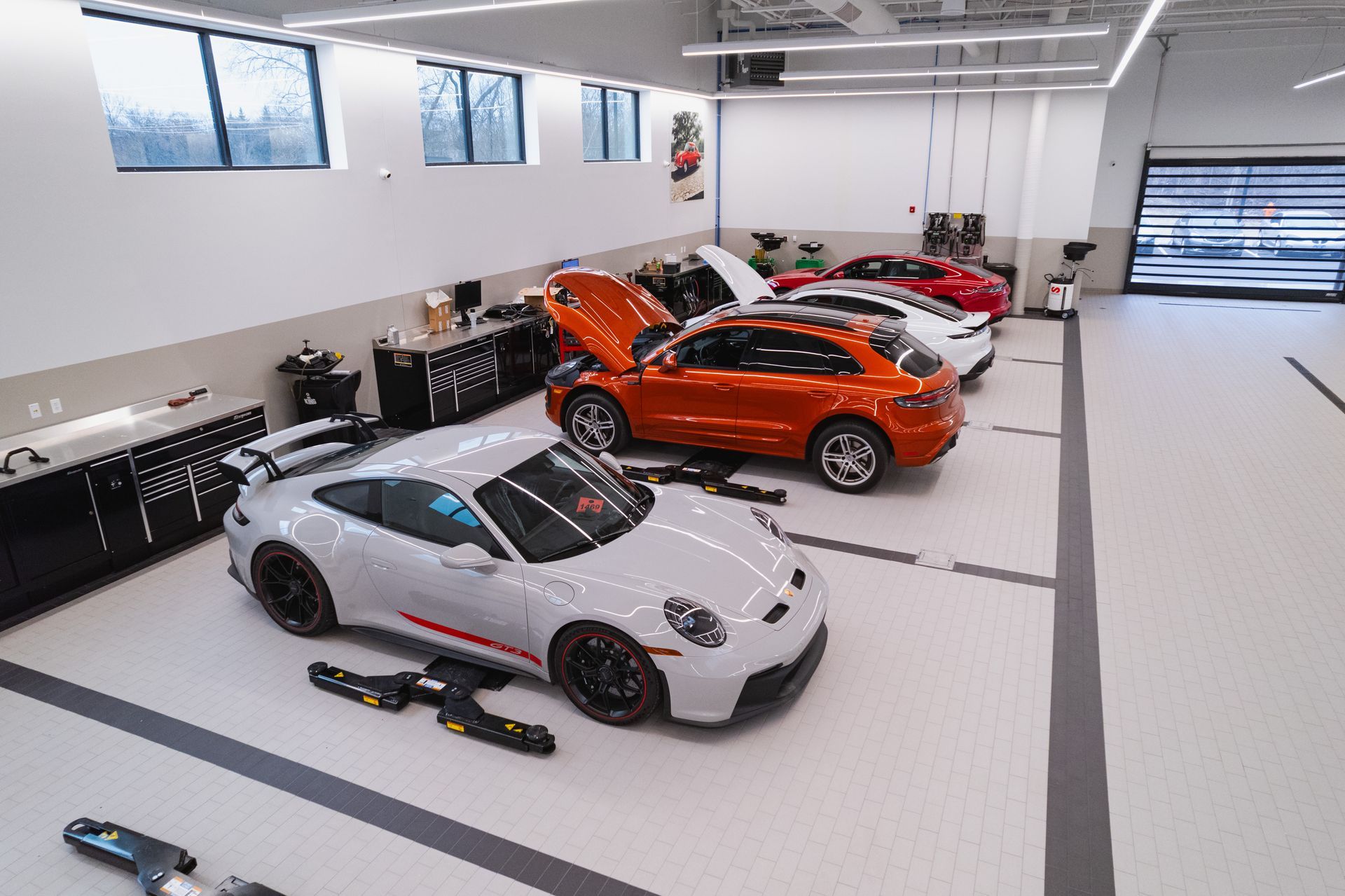
Fully vitrified ceramic tiles offer a level of durability and performance that aligns with the real-world challenges of automotive facilities. Unlike surface-coated options, these tiles are fired at extremely high temperatures, creating a dense, non-porous structure throughout the tile body. That composition resists impact, moisture, and chemicals from top to bottom.
In service bays, shop floors, and assembly areas, these tiles are designed to remain dimensionally stable under pressure from heavy vehicles and equipment. They are engineered to resist cracking and chipping from point loads or dropped tools common in automotive facilities. Fluids like oil, fuel, and coolant can typically be cleaned without staining or surface degradation when properly maintained.
Fully vitrified tiles are available in surface textures designed to provide traction in wet or greasy conditions. Their hard surface holds up under auto-scrubbers and aggressive cleaning routines, making daily maintenance more efficient.
Because they are uniform throughout, these tiles don’t rely on coatings or sealants to perform. That material reliability helps support safety objectives and reduce downtime related to surface damage.
The Argelith Advantage in Automotive Flooring
Argelith fully vitrified ceramic tiles are engineered to meet the specific flooring needs of the automotive industry. Designed for heavy industrial use, these tiles deliver consistent performance under the stress of high-traffic service bays, production lines, and vehicle inspection areas. Their strength lies not just in surface hardness but in the density and structure of the entire tile body.
Our tiles resist chemicals, heat, and abrasion without relying on sealants or additional surface treatments for core performance. Their low absorption rate helps limit staining from fluids like oil, brake cleaner, or coolant. Slip-resistant surface options help support safer working conditions, even in areas where spills are common.
Multiple formats and finishes are available, allowing design flexibility while maintaining industrial strength. We also offer color options that enhance visual zoning or safety striping to organize workflow and minimize hazards.
The company’s US-based technical team works directly with facility managers and project planners to recommend tile solutions based on traffic patterns, installation method, and long-term maintenance goals.
Get in touch with Argelith to specify a flooring solution that performs under pressure, resists damage, and keeps your facility running cleaner, safer, and longer without sacrificing performance.
Real-World Automotive Applications
Our tiles are trusted in some of the most demanding automotive environments worldwide. OEM production lines and fast-paced service centers rely on these tiles to deliver measurable performance under continuous use. In facilities where forklifts, alignment machines, and vehicle lifts operate side by side, the flooring must handle both weight and wear in demanding, high-use environments.
Leading automotive brands have chosen us to solve flooring problems that previously caused delays, safety concerns, or maintenance issues. Applications include dealership service drives, dyno rooms, engine assembly zones, and paint areas, each requiring a surface suited to its specific function.
See how
Laurel BMW of Westmont put Argelith tiles to work in their high-volume service department.
Disclaimer: Flooring performance characteristics depend on correct product selection, substrate conditions, installation methods, traffic patterns, and maintenance practices. Safety, hygiene, and durability outcomes are influenced by operating conditions and are not solely determined by flooring materials.