Comparing Industrial Tile Materials: Which Flooring Performs Best Under Heavy Use?
Industrial flooring faces constant pressure from heavy machinery, forklifts, chemical exposure, and rigorous cleaning routines. Selecting the right tile material affects not only performance but also long-term maintenance and safety. While many options exist, not all tile materials are designed to deliver the level of strength or durability typically required in demanding environments. Understanding how each option performs under industrial stress helps facility managers and contractors make choices aligned with real-world operating conditions.
Key Requirements for Industrial Flooring
Industrial environments place exceptional demands on flooring, far beyond those of commercial or residential settings. Constant foot traffic, wheeled equipment, chemical exposure, and temperature fluctuations all contribute to accelerated wear. Flooring that cannot handle these challenges becomes a source of safety risks, maintenance problems, and operational slowdowns.
Durability remains a top priority. Floors must resist cracking, chipping, and surface degradation under extreme pressure. Slip resistance is equally important. Wet or greasy surfaces increase the risk of workplace injuries. Industrial tiles must be selected with surface textures appropriate for providing traction in challenging conditions.
Hygiene also plays a major role, especially in industries such as food processing and pharmaceuticals. Flooring must be dense with extremely low water absorption and designed to support effective cleaning and sanitation as part of a facility’s hygiene and contamination-control program. Thermal shock resistance, low absorption rates, and compatibility with heavy cleaning equipment also influence long-term performance.
Beyond technical qualities, the right flooring improves productivity. When facilities operate efficiently and safely, downtime is reduced, and compliance efforts are easier to support. Material selection should align with usage needs while delivering long service life.
Common Tile Materials in Industrial Flooring
Industrial flooring solutions often involve tile materials due to their modularity, strength, and ease of maintenance. However, not all tile types offer the same performance under industrial conditions. Each material presents different strengths and weaknesses, depending on the environment.
Common options include:
Quarry Tile.
Made from natural clay and fired at relatively low temperatures. Quarry tile offers moderate water resistance but higher absorption compared to fully vitrified materials. These tiles may be prone to chipping and have limited chemical resistance under industrial use.
Denser than quarry tile and fired at higher temperatures. Offers improved water resistance but varies in durability based on its grade and composition. While porcelain tiles can offer low absorption, they are often thinner and may not provide the same load-bearing strength as thicker industrial vitrified tiles.
Features a resin-rich surface layer for added chemical resistance. Used in certain environments such as labs and cleanrooms, though epoxy layers may separate under heavy mechanical stress or elevated temperatures
Fully Vitrified Tile.
Fired at extremely high temperatures to create a tile with a dense, fully vitrified surface with extremely low water absorption. Ideal for environments requiring durability, hygiene, and chemical resistance.
Ceramic Tile.
Common in commercial settings, ceramic tiles are suitable for light-duty use. They are generally not intended for sustained impact, thermal stress, or heavy industrial loads.
Concrete.
Often used for heavy-load areas. While structurally strong, concrete is typically porous and may stain or degrade without a protective coating.
The performance gap among these materials becomes more apparent under constant industrial use, making material choice a strategic decision.
Why Fully Vitrified Tiles Outperform Other Materials
Fully vitrified tiles offer a level of performance that often provides a higher level of performance than many other tile materials in demanding industrial environments. Their dense, fully vitrified structure with extremely low water absorption (typically well below 0.5%, and often ≤0.1%) forms during high-temperature firing, which significantly reduces internal porosity. This process results in exceptional strength and impact resistance, even under the constant pressure of heavy machinery and loaded forklifts. Unlike coating-based systems, this performance is inherent to the material rather than applied as a surface layer. In the event of localized damage, individual tiles can be replaced without removing the entire floor system, helping minimize downtime and repair costs.
Unlike concrete or quarry tile, fully vitrified tiles resist staining, water absorption, and chemical damage. They are designed to maintain structural integrity when exposed to acids, alkalis, and thermal shock. In hygiene-sensitive industries such as food production or pharmaceuticals, the sealed surface helps limit liquid absorption and supports hygienic cleaning practices. This helps maintain sanitary conditions and supports cleanliness protocols.
Vitrified tiles also perform well in wash-down zones and areas cleaned using auto-scrubbers or steam equipment. Their hard surface resists abrasion and is available in surface textures designed to provide slip resistance in wet or greasy conditions. Unlike coating systems that require periodic resurfacing, fully vitrified tile flooring can remain in service for decades when properly installed and maintained.
For facilities seeking long-term reliability, reduced maintenance, and safer work zones, fully vitrified tiles represent a proven solution that aligns with the performance demands of rigorous industrial environments.
The Argelith Difference
Argelith fully vitrified tiles are engineered for the highest levels of industrial performance. Manufactured in Germany and trusted by global brands, these tiles deliver consistent results in environments where performance reliability is critical. Each tile features a fully vitrified body that is designed to resist wear, chemical exposure, moisture, and impact common in industrial facilities.
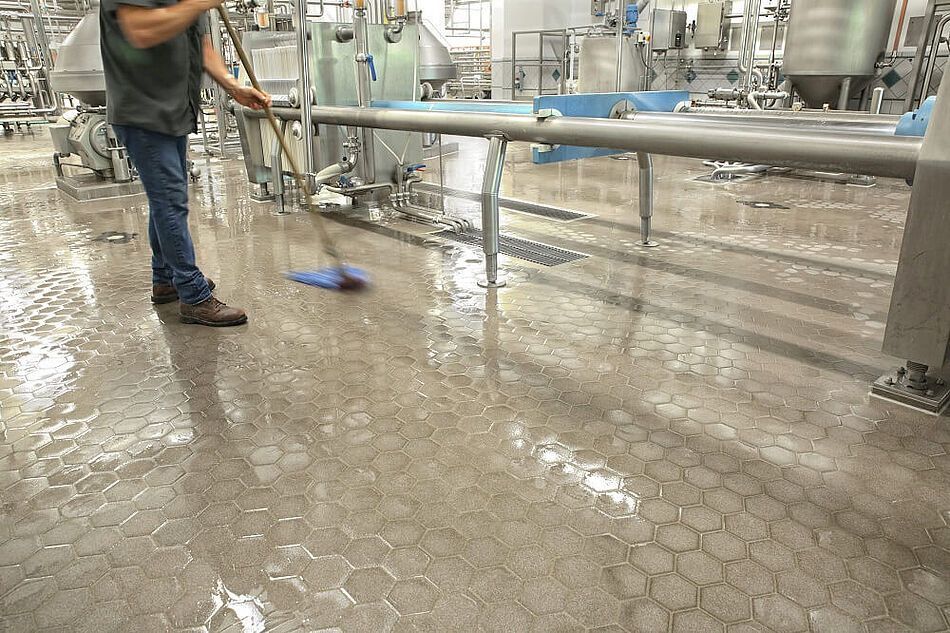
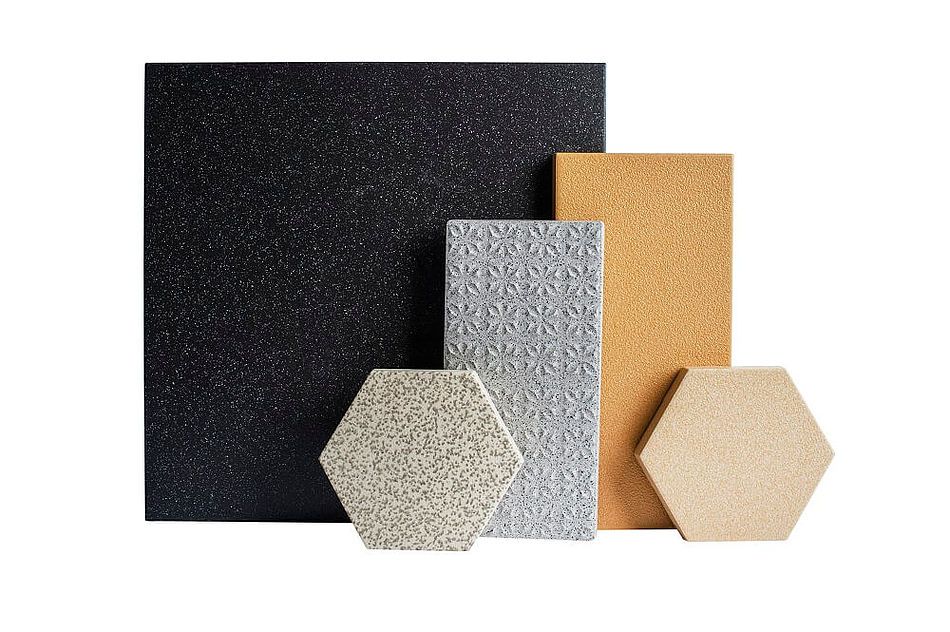
Tiles are available in a range of formats, including hexagons and slip-resistant surfaces, designed to meet the specific requirements of different facilities. Food processors benefit from tiles with low absorption that support hygiene programs. Automotive workshops rely on flooring that stands up to oils, fuels, and metal tools without degrading.
The company’s US-based team provides tailored recommendations based on site conditions, installation method, and usage patterns. This approach promotes long-term durability and supports compliance efforts.
These tiles are commonly used in environments such as breweries, food plants, and pharmaceutical labs, where clean operations, safety, and uptime are priorities. Their proven track record makes them a trusted choice for engineered tile solutions in demanding environments.
Request a consultation today to find the right tile material for your facility’s performance requirements.
Considerations for Material Selection
Selecting the right tile material for industrial use involves more than comparing surface appearances. Performance under real-world conditions, maintenance expectations, and long-term value must guide the decision.
Key considerations include:
Chemical exposure.
Facilities handling acids, alkalis, oils, or disinfectants need tiles with low absorption and high chemical resistance.
Mechanical load.
Forklifts, pallet jacks, and heavy machinery place constant stress on the flooring. Material must resist impact, abrasion, and compression.
Slip resistance.
Areas prone to moisture, grease, or spilled product require tiles designed to reduce the risk of slips and falls.
Thermal shock.
Environments with rapid temperature shifts, such as wash-down zones or bakeries, demand materials that won’t crack under stress.
Ease of cleaning.
Fully vitrified surfaces are designed to clean efficiently using auto-scrubbers, even when aggressive pads are required.
Selecting a material that aligns with these needs reduces downtime, supports compliance, and avoids premature failure. The right choice is based on performance fit, not just price or availability.
Key Takeaways
Choosing the right tile material for industrial flooring affects safety, hygiene, and long-term performance. Quarry and concrete tiles meet some needs, but fully vitrified tiles often outperform in strength, chemical resistance, and durability. Argelith’s engineered tiles are designed to provide tailored solutions for high-traffic, high-impact environments where performance matters most.
Explore Argelith’s range of fully vitrified tiles and speak to our team about your facility’s flooring needs.
Request a consultation to start building a safer, longer-lasting foundation for your operations.
Disclaimer: Flooring performance characteristics depend on proper product selection, substrate conditions, installation methods, operating environment, and maintenance practices. No single flooring material is suitable for every application.